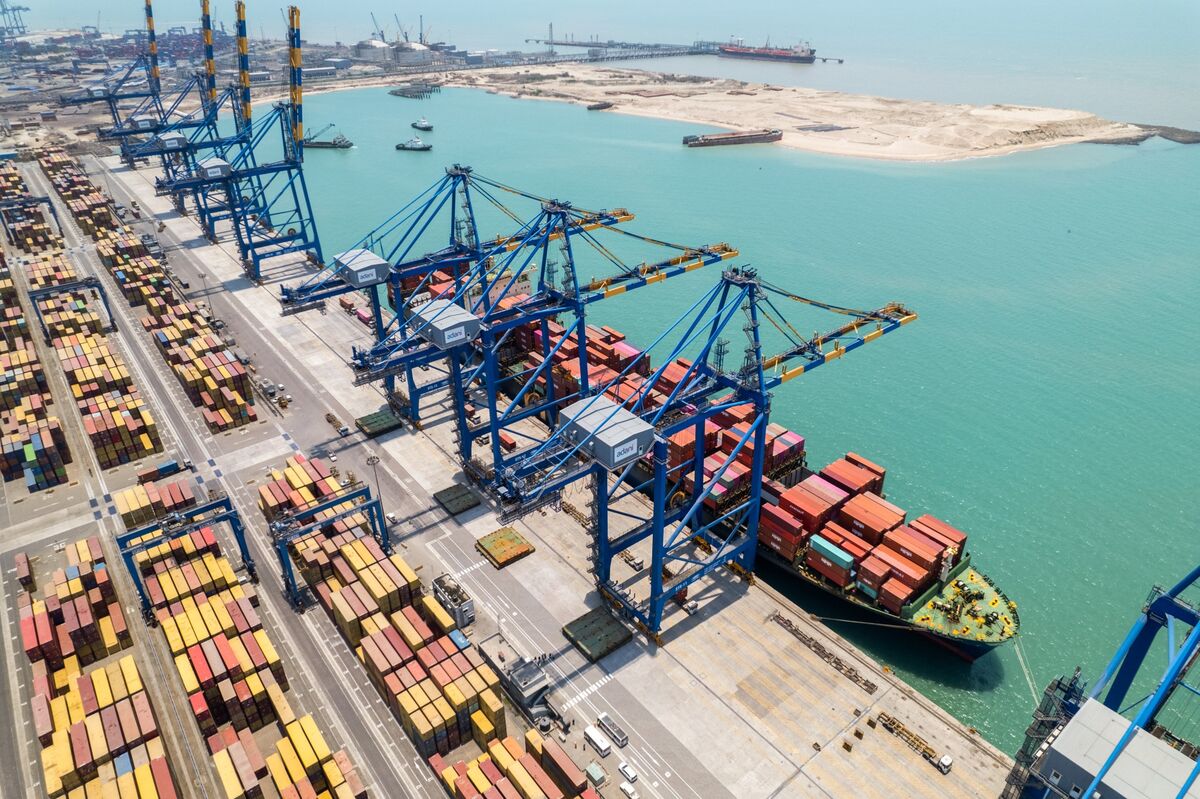
India’s merchandise trade deficit narrowed to $28.21 billion in May from $28.38 billion in April, slightly better than the prior month but still wider than the $27.2 billion consensus forecast. The article also notes that an interim US-Iran deal to reopen the Strait of Hormuz improved the shipping outlook after months of disruption. The data point is modestly supportive for India’s external balance, while the geopolitical shipping development reduces near-term supply-chain risk.
The immediate market read is not about India’s headline deficit move but about the implied normalization of freight flows through a critical energy/shipping chokepoint. If routing risk falls, the first beneficiaries are not just shippers but any importer whose working capital had been trapped in longer transit times, higher insurance premia, and inventory buffers; that should ease near-term margin pressure across Indian industrials, refiners, and consumer staples with heavy imported input baskets.
The second-order effect is asymmetrical: lower disruption risk compresses freight rates faster than it restores volumes. That tends to hurt the most cyclical transport names first, while suppliers with flexible fleet deployment and strong contract coverage can hold pricing power longer. In the broader EM context, a calmer Hormuz backdrop also reduces variance in local FX and inflation expectations, which can support rate-sensitive assets over the next 1-3 months even if the trade balance itself stays noisy.
The risk is that this is a classic headline-driven gap that can reverse quickly if the diplomatic channel stalls or if insurers and charterers wait for sustained operational proof before repricing. In other words, the P&L response should come before the macro data confirms it: expect shipping equities and freight-linked credits to react within days, while India’s external accounts and manufacturing margins improve only over quarters. The consensus may be underestimating how much of the previous disruption was embedded in precautionary behavior rather than physical flow loss; that means a normalization can unwind more cost pressure than the trade statistics alone suggest.
AI-powered research, real-time alerts, and portfolio analytics for institutional investors.
Overall Sentiment
mildly positive
Sentiment Score
0.15
