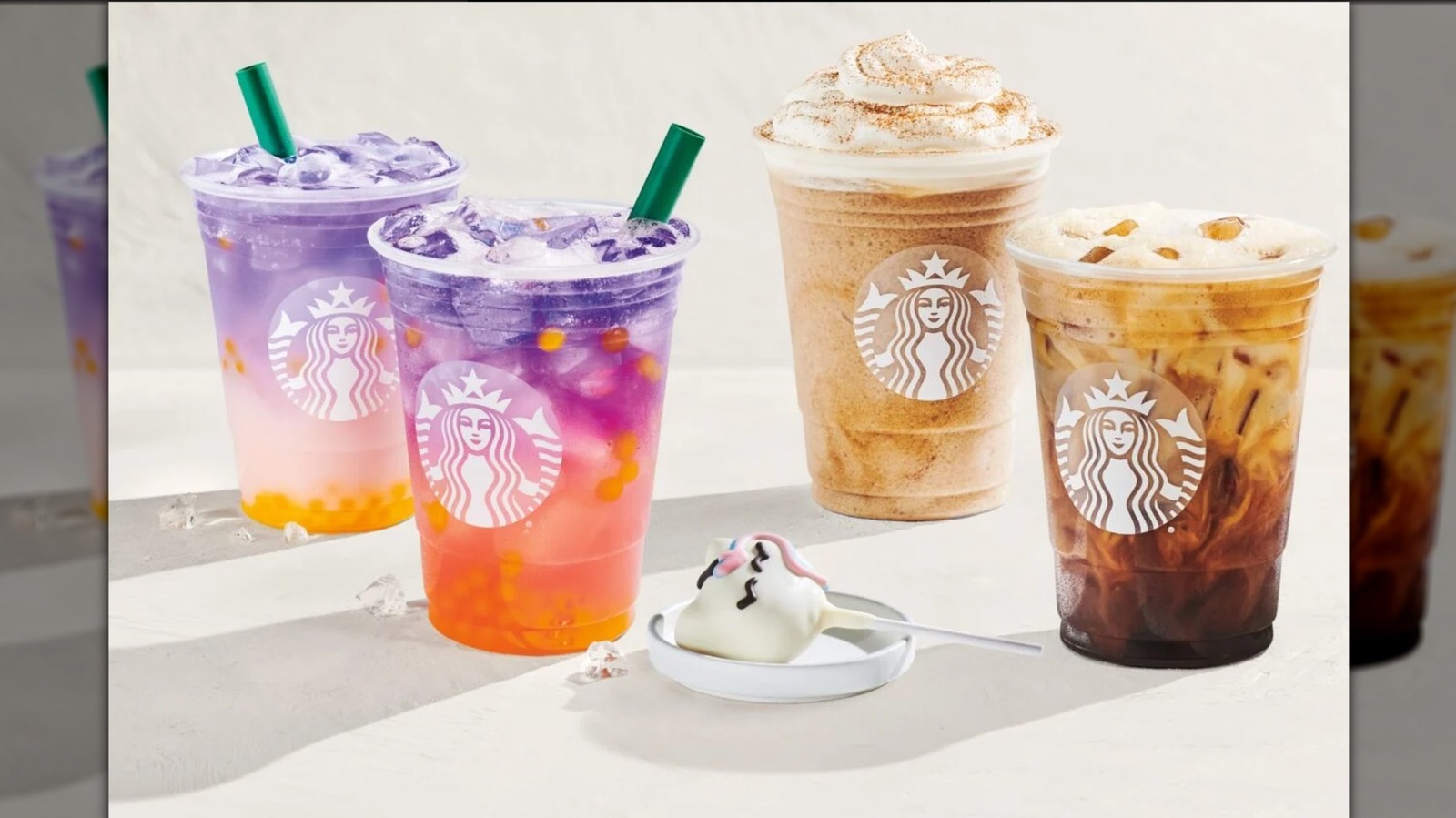
Starbucks' 2026 summer menu launches May 12, but fan reaction has been mostly negative because several popular drinks — including the Summer Berry Refresher, S'mores Frappe, and Unicorn Frappe — are absent. The lineup does include a new Tropical Butterfly Refresher, a new Horchata Frappuccino, and the returning Iced Horchata Shaken Espresso, but social media sentiment suggests disappointment over the limited assortment. The news is more about consumer reaction and brand sentiment than any meaningful near-term financial impact.
The market impact here is not the menu itself, but the signal that Starbucks is still leaning on low-cost, nostalgia-driven innovation rather than a clear premium growth vector. That matters because these launches are designed to drive traffic and customization, yet the online reaction suggests the company risks cannibalizing the very engagement it needs: disappointed superfans are the highest-frequency, highest-margin cohort, and they are the first to punish perceived scarcity or “lazy” product strategy. Second-order, this is a demand-quality issue more than a unit-demand issue. If the launch underperforms expectations, Starbucks can still post transactions, but mix likely shifts toward lower-attachment beverages and away from incremental add-ons, which compresses ticket growth. In a consumer environment where the brand is already dealing with loyalty-system friction, the probability of a modest same-store-sales miss over the next 1-2 quarters rises, even if headlines around the launch look benign. The competitive angle is subtle: fast-casual and independent beverage chains benefit whenever Starbucks appears out of sync with its core customer base. The more Starbucks looks like it is rationing excitement into limited events, the more it hands white-space to competitors with simpler, more frequent novelty cycles. The real risk is not an immediate traffic collapse; it is a slow bleed in brand relevance that shows up first in digital engagement, then in afternoon occasion frequency, and only later in reported comps. Contrarian view: the backlash may be louder than the spend impact. Nostalgia outrage often overstates substitution risk, and Starbucks has historically monetized disappointment well through customization and menu extensions. If the new horchata items resonate even modestly, the market may be over-discounting a social-media flare-up that fades within days; the cleaner signal will be app activity and check growth over the next 30-60 days, not the launch-week discourse.
AI-powered research, real-time alerts, and portfolio analytics for institutional investors.
Request DemoOverall Sentiment
mildly negative
Sentiment Score
-0.25
Ticker Sentiment
