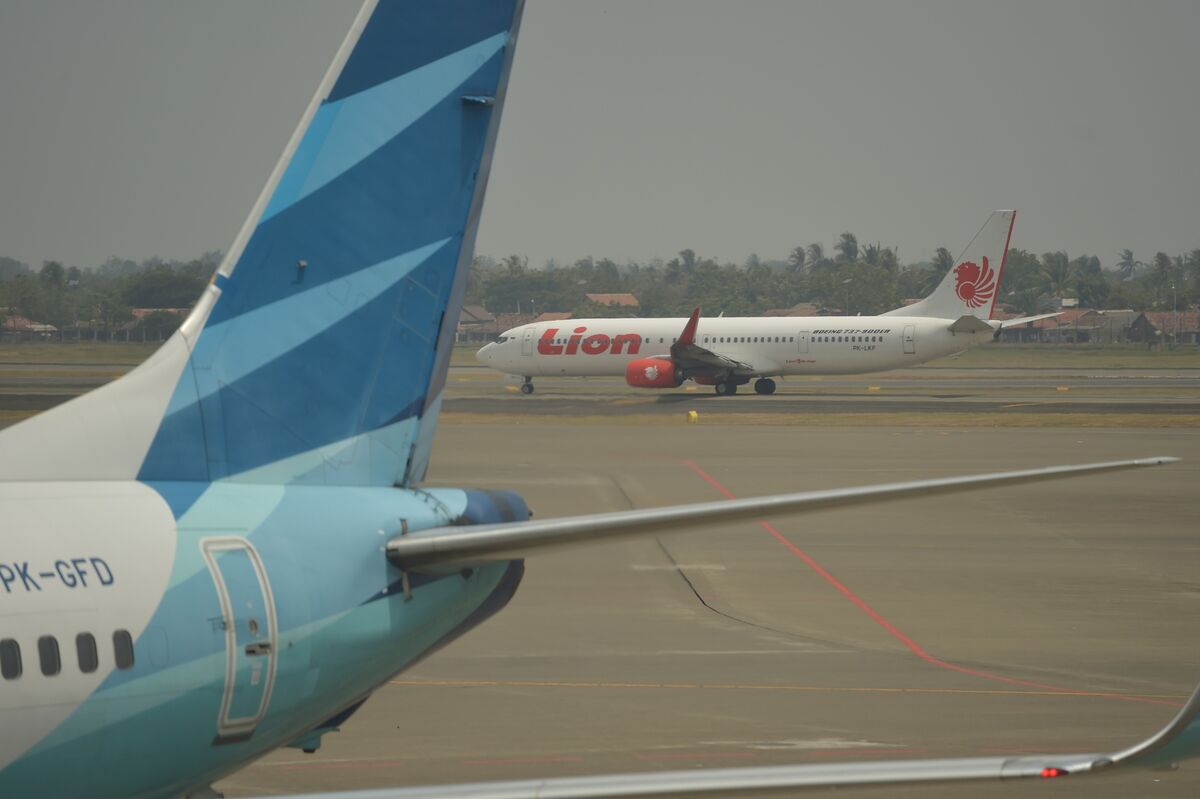
Indonesia has doubled its number of international airports to 40, a strategic move aimed at significantly boosting regional travel and economic activity across the archipelago. This expansion includes new international access points in key industrial areas such as the nickel-production sites of Weda Bay and Morowali Industrial Park, signaling a governmental effort to facilitate business and tourism beyond traditional hubs.
The Indonesian government has implemented a significant pro-growth policy by doubling its number of international airports to 40. This strategic expansion is designed to stimulate economic activity by increasing accessibility to the nation's diverse regions. Critically, the initiative extends beyond tourism, with the inclusion of new international gateways in key industrial centers such as the nickel-production sites of Weda Bay and Morowali Industrial Park. This move signals a deliberate effort to facilitate foreign direct investment and streamline logistics for vital commodity sectors, potentially reducing operational friction and enhancing the appeal of Indonesia's natural resource assets. The policy represents a substantial investment in infrastructure aimed at decentralizing economic development and directly supporting both the travel and industrial sectors.
AI-powered research, real-time alerts, and portfolio analytics for institutional investors.
Request DemoOverall Sentiment
Positive
Sentiment Score
0.70
