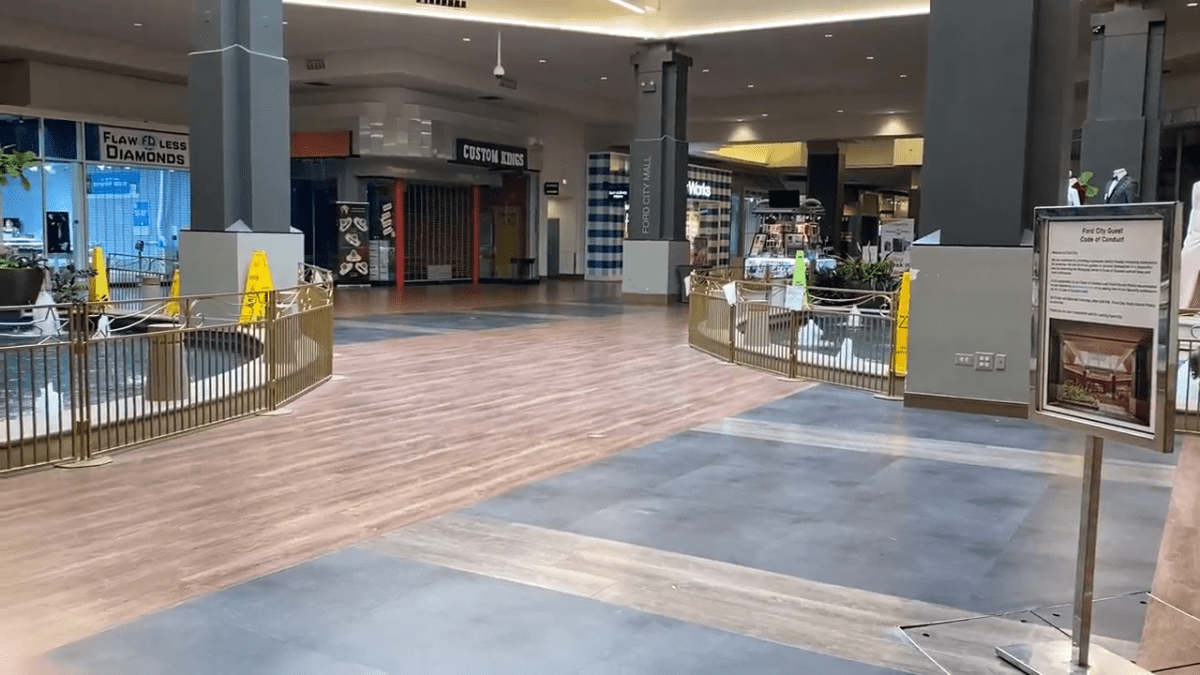
Chicago officials are seeking to close Ford City Mall over 'imminent' health and safety concerns tied to a defective fire suppression system that has reportedly leaked for two years. The city says the leaks could cause severe injury or death in a fire and may threaten the land beneath the mall, potentially leading to sinkhole formation and catastrophic structural failure. Only 16 commercial tenants remain, and the owner, Namdar Realty Group, has been ordered to respond by Thursday.
This is less a single-property headline than a clean read-through on the weakest part of the discretionary retail stack: distressed enclosed-mall traffic is now moving from gradual decline to forced inventory extraction. When a landlord gets pushed toward a shutdown on safety grounds, the economic damage is no longer just rent loss; it can trigger co-tenancy claims, tenant relocations, and accelerated write-downs across nearby suburban retail centers that compete for the same value-oriented shopper.
The second-order loser set is broader than the anchor brands on-site. Mid-tier mall tenants with national footprints typically use these locations as low-rent brand-presence vehicles; losing one site is manageable, but a cluster of closures raises SG&A leverage and increases pressure to redirect spend into digital and off-mall formats. That favors off-mall strip centers, outlet formats, and e-commerce-first players, while also tightening the screws on landlords with similar leverage profiles and deferred-capex assets.
The catalyst path is binary over the next 1-4 weeks: either a court-driven vacate order forces an orderly tenant exit, or an owner remediation plan buys time. Even if remediation is announced, the market should discount a long re-tenanting runway measured in quarters, not months, because the reputational overhang and legal uncertainty will suppress traffic and financing options. The more important tail risk is contagion: municipalities and lenders may revisit inspection standards and reserve requirements for older retail assets once a visible safety issue becomes a public precedent.
The consensus likely underestimates how quickly this can become a broader credit problem for the mall owner rather than a pure operating issue. If Namdar has to fund emergency repairs while absorbing vacancy, the pressure shifts from NOI erosion to refinancing risk, which is where equity can gap materially. That creates a better short setup in the capital structure than in the tenant names themselves, because tenant-level earnings impact is real but usually too small to move large-format consumer names beyond sentiment and temporary traffic noise.
AI-powered research, real-time alerts, and portfolio analytics for institutional investors.
Request DemoOverall Sentiment
strongly negative
Sentiment Score
-0.65
Ticker Sentiment
