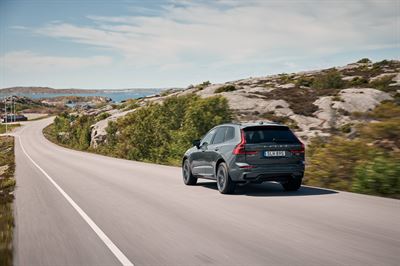
Volvo Car Canada posted a record 14,500 vehicle sales in 2025, up 8.2% year-over-year, led by the XC range: XC60 at 4,731 units (+1%), XC90 at 4,083 units (+55.5%) and XC40 at 3,974 units (+16.2%). Plug-in hybrid sales hit an annual record of 3,660 units (up 3.5%), representing 25% of total Canadian sales, and December deliveries were 1,070 units (+1.5%). The results underscore strong consumer demand in Canada—particularly for electrified models—and present a modestly positive signal for Volvo Cars' Canadian market momentum, though the announcement is unlikely to materially move broader equity markets.
Market structure: Volvo Car Canada’s 14,500 units (2025) and 25% PHEV mix (3,660 units) signal durable Canadian demand for premium SUVs and electrified powertrains without full BEV adoption. Direct beneficiaries include Volvo Car Group (VOLCAR B) and Canadian dealers (e.g., AutoCanada ACQ.TO), while pure-BEV makers with weaker SUV PHEV portfolios may lose share in Canada’s premium segment over 6–18 months. Pricing power should modestly improve for Volvo in Canada if mix shift to higher-margin XC90/XC60 continues (XC90 +55.5%); material global share impact is small but regionally meaningful. Risk assessment: Tail risks include abrupt subsidy reversals in Canada, large-scale battery recalls/warranty hits, or Swedish/Chinese supply disruptions that could compress margins; probability low but P&L impact high. Near-term (days-weeks) impact is limited; expect measurable effects in dealer inventories and Q1 2026 retail metrics; medium-term (3–12 months) is where margin and supplier contract renewals matter; long-term (2–5 years) depends on BEV adoption trajectory vs PHEV legacy costs. Hidden dependencies: resale values and battery replacement costs could increase warranty reserves and depress used-vehicle ARs. Trade implications: Tactical long in VOLCAR B and Canadian dealer exposure is warranted (6–12 month horizon) with defined risk; suppliers of PHEV components and lithium/nickel miners are levered plays if PHEV share sustains at ~25%+. Use pair trades to capture relative premium-SUV strength vs German rivals (BMW.DE, MBG.DE). Options: structured call spreads limit capital and downside while capturing re-rating ahead of Q1 sales/earnings releases. Contrarian angles: Consensus may overstate Canada’s absolute importance (14.5k units ≪ global volumes) and underweight the strategic value of PHEV demand as a bridge product — upside is limited but durable regionally. Conversely, if Canadian policy or fast charger rollout accelerates BEV preference, Volvo’s PHEV-heavy near-term mix could be a liability; monitor PHEV share thresholds (decline below 15% nationally) as a reversal trigger.
AI-powered research, real-time alerts, and portfolio analytics for institutional investors.
Request DemoOverall Sentiment
moderately positive
Sentiment Score
0.50
