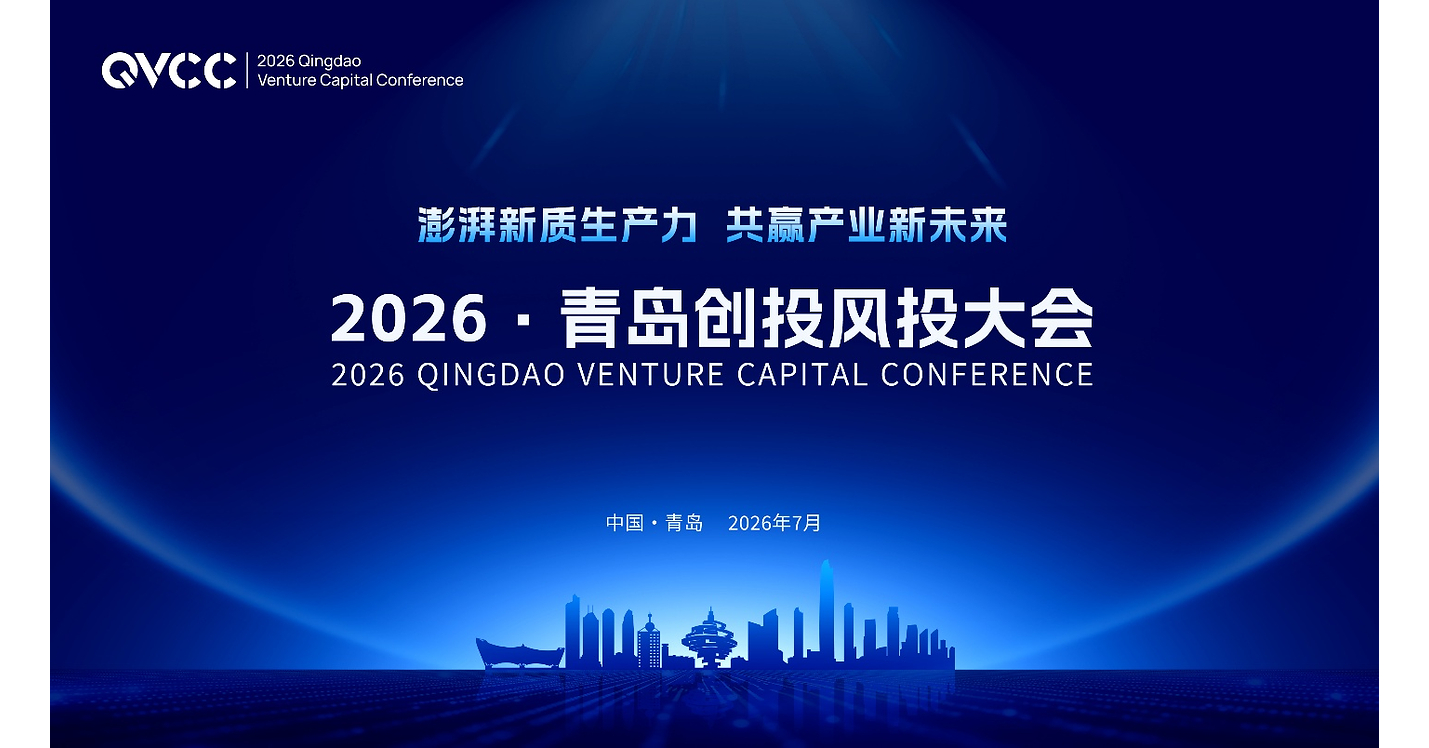
The 2026 Qingdao Venture Capital Conference highlighted a push for long-term VC/PE to fund innovation under China’s 15th Five-Year Plan, including new industry-launch and partnership announcements such as the Qingdao Fund Industry Development Alliance and strategic cooperation agreements with Shanghai Pudong Development Bank and major brokerages. The attached 2026 VC/PE white paper reported global venture capital of $301B in 1Q26 (highest in five years), with AI representing over 80% of funding—signaling strong investor preference for AI-linked “hard technology.” In China, H1 2026 investment concentration remained in new-generation IT, advanced manufacturing, and healthcare, with AI/robotics and semiconductors/integrated circuits among the most favored sub-sectors.
This reads as policy signaling, not an earnings catalyst. The near-term beneficiaries are the capital-formation intermediaries: regional sponsors, China brokers with private-placement and cross-border listing franchises, and the exchanges that monetize a healthier IPO pipeline. For public equities, the first-order effect is usually a sentiment lift in Chinese tech beta, but the cash-flow impact tends to lag by 2-4 quarters unless the event is followed by actual fund closes, co-investment commitments, or a visible pickup in approvals.
The second-order risk is crowding. When local governments and state-linked capital pool into the same AI/robotics/semiconductor themes, it can inflate headline funding while compressing eventual venture returns and raising post-money competition for the best private deals. That is bullish for “toll collectors” and less helpful for late-stage VC managers whose IRRs depend on scarce entry points; in public markets, the likely relative winners are listed platforms and capital-market enablers, not the startups being showcased.
Contrarian take: the market may overestimate how much of this becomes deployable capital versus ceremonial alignment. The thesis breaks if there is no follow-through in fund registrations, STAR/ChiNext pipeline activity, or Hong Kong listing volume over the next 1-3 months. If those do materialize, the effect could extend 6-18 months via better liquidity, more exits, and a modest re-rating of China tech multiples.
AI-powered research, real-time alerts, and portfolio analytics for institutional investors.
Request DemoOverall Sentiment
mildly positive
Sentiment Score
0.35
Ticker Sentiment
