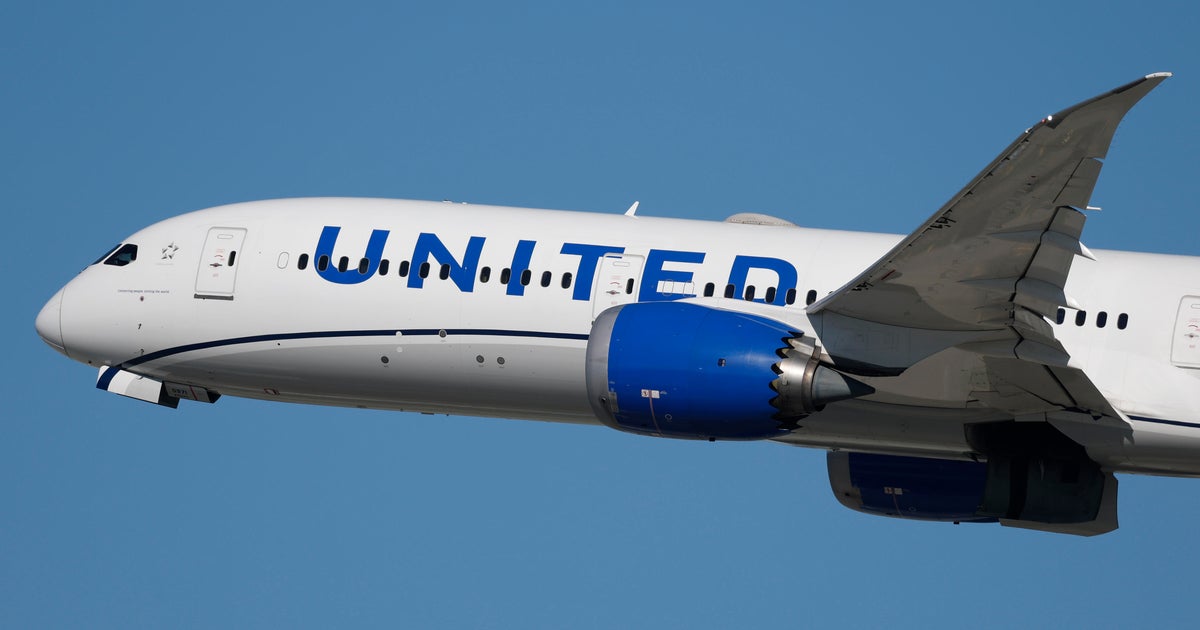
A passenger on United Airlines flight 1837 was detained at Newark Liberty International Airport after reportedly assaulting a flight attendant and attempting to open the main cabin door. Police said the 48-year-old was taken to a local hospital for a psychiatric evaluation, with no other injuries reported. The incident adds to FAA concerns about unruly passengers, with nearly 500 such events reported so far this year.
This reads less like a one-off headline than another data point in a slowly worsening operational risk regime for U.S. network carriers. The second-order issue is not the incident itself; it is the cumulative effect on crew morale, training burden, irregular-ops costs, and the probability of tighter cabin-security protocols that add friction to turn times and customer experience. For UAL, that creates a small but persistent drag on premium-brand differentiation at a moment when domestic capacity discipline is already doing most of the margin work.
The near-term market impact should be muted because investors will treat this as idiosyncratic, but the tail risk is asymmetric: a high-profile repeat event could quickly force management to spend on visible mitigation measures, which are easier to announce than to execute and tend to compress margins by low single digits over subsequent quarters. The bigger catalyst path is regulatory, not legal — if incident frequency remains elevated, the FAA and TSA can justify stricter enforcement standards, which would raise compliance costs across all carriers while likely benefiting the best-capitalized operators that can absorb incremental overhead.
Relative value is more interesting than outright direction. UAL is the cleanest short-term expression because sentiment can sag on any safety-related headline, but the better medium-term short is the broader consumer-discretionary exposure to aviation friction: if carriers become more aggressive on enforcement and procedures, it supports pricing power for business travel but hurts leisure elasticity and ancillary conversion. The contrarian point is that repeated incidents often improve long-run carrier economics by making customers more tolerant of security theater and more accepting of higher fares for reliability, so this may be an overreaction if the event does not escalate into a policy change or sustained brand damage.
AI-powered research, real-time alerts, and portfolio analytics for institutional investors.
Request DemoOverall Sentiment
moderately negative
Sentiment Score
-0.20
Ticker Sentiment
