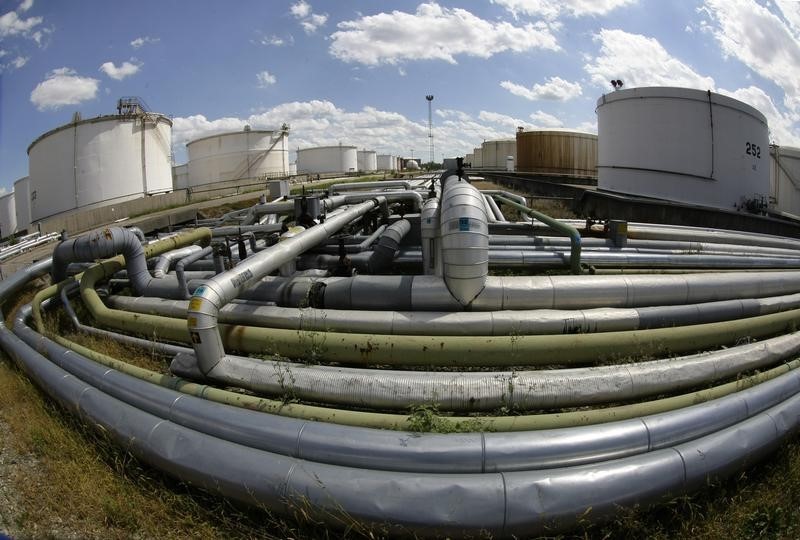
BP and United Steelworkers are set to resume contract talks on Monday for the 440,000-barrel-per-day Whiting, Indiana refinery, where about 800 workers have been locked out since March 19. BP says it wants an agreement that preserves jobs, improves refinery performance, and strengthens safety while maintaining long-term competitiveness. The update is operationally relevant for BP and the largest U.S. Midwest refinery, but it is still a negotiation update rather than a definitive resolution.
This is less a headline about one refinery and more a margin signal for the U.S. Midwest crack spread. If Whiting stays constrained, the closest beneficiaries are refiners with similar product slates but no labor disruption, because regional gasoline and distillate pricing can tighten faster than crude differentials adjust. The second-order effect is that downstream peers with flexible utilization and cleaner labor relations should see a relative earnings tailwind over the next 1-2 quarters, even if benchmark crude is unchanged.
The important risk is asymmetry: refinery outages are usually ignored until they hit inventories, and then realized product prices reprice quickly. A lockout that persists into peak driving or a weather event can create a sharp, short-duration spike in Chicago-area refined-product margins; conversely, a settlement before then would unwind the trade just as fast. The market is likely underestimating how much a single large Midwest asset can matter when pipeline and rail substitution are already stretched.
For the company directly involved, the core issue is not just lost throughput but optionality: prolonged labor friction raises maintenance deferral, unplanned downtime, and safety overhangs, which can suppress valuation multiples longer than the immediate earnings hit. If management concedes too much, it protects near-term operations but can raise industry-wide wage expectations; if it holds the line, the risk is a messy restart with persistent headline risk. Either path is mildly negative for the stock until there is evidence of a durable operating reset.
The contrarian view is that this may be too small to matter if product inventories are adequate and other Midwest refineries run harder. In that case, any rally in regional refiners would be a short-lived squeeze rather than a fundamental rerating. The best setup is not chasing the headline, but owning the names with the most elastic utilization and the least labor overhang against the one with the most binary settlement risk.
AI-powered research, real-time alerts, and portfolio analytics for institutional investors.
Request DemoOverall Sentiment
neutral
Sentiment Score
-0.10
Ticker Sentiment
