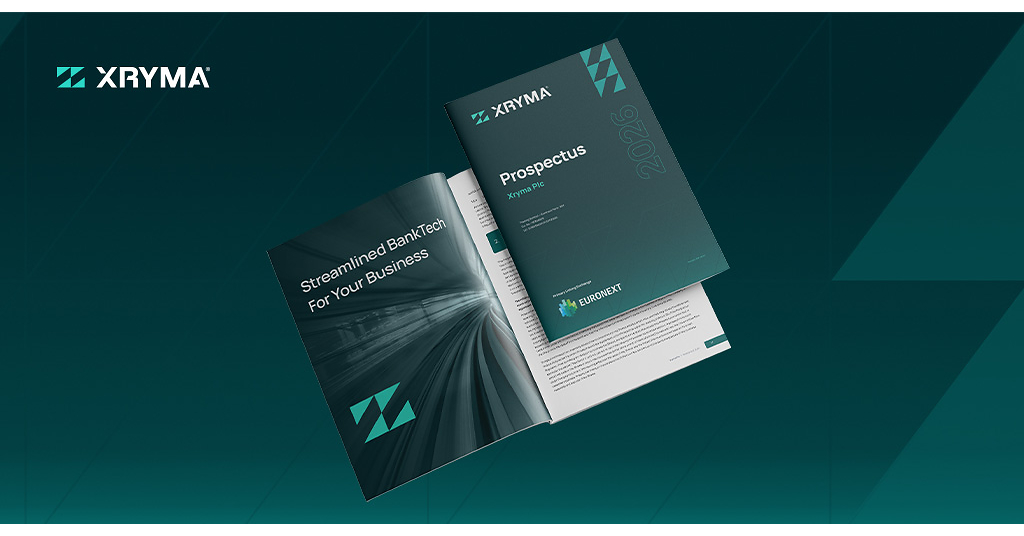
Xryma Plc’s prospectus was approved by CySEC for the company’s admission to Euronext Paris, with trading expected to start at market open on 24 July 2026. If Euronext Paris approval is granted, 110,079,450 ordinary shares will be admitted (technical admission; no new shares issued and no capital raised). The company reports 2025 revenue of €53.4m and processed ~€4.0bn of transactions, positioning the IPO as a step to improve liquidity and transparency for future growth.
The real economic event is not capital formation; it is a marketing-and-liquidity reset for a niche payments platform that already appears economically mature. That means the first-order earnings impact is basically nil, but the listing can still matter through multiple expansion if public-market investors start treating the business as a regulated payments infrastructure compounder rather than a private, Cyprus-based software/payments hybrid. The closest public comps are higher-quality European payment rails and banking software names; if Xryma is credible on profitability and compliance, it can support sentiment for the wider profitable-fintech cohort (ADYEN, WISE, DLOCAL, PAYX-like infrastructure names), though the magnitude is likely modest.
Second-order, the listing may sharpen competitive pressure on smaller cross-border processors and correspondent-banking intermediaries by validating a direct-to-infrastructure model. The company’s disclosed access to bank and payment rails suggests the moat is regulatory integration and distribution, not raw scale; that is defendable, but not obviously enough to justify a venture-style multiple without proof of retention, take-rate durability, and customer concentration. If those metrics are weak, the market will quickly reclassify this as a low-growth payments utility.
The contrarian risk is that the move is overhyped because no new shares are being sold and no fresh cash is being raised, so there is no balance-sheet de-risking or growth acceleration embedded in the transaction. In the next 1-4 weeks, expect headline volatility and potentially thin trading rather than a clean rerating. Over 3-12 months, the key falsifier is whether the company can convert public listing into better customer wins, better funding terms, or a materially higher liquidity profile; if not, the stock may drift back to a private-market-style valuation discount.
AI-powered research, real-time alerts, and portfolio analytics for institutional investors.
Request TrialOverall Sentiment
mildly positive
Sentiment Score
0.25
