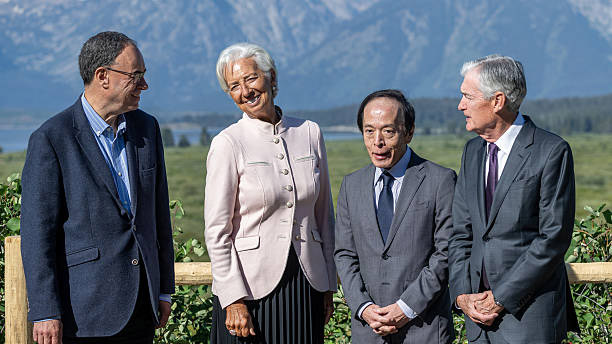
Fed Chair Jerome Powell was observed leading a walk with other central bankers at the Jackson Hole Economic Symposium. This informal gathering underscores the continued presence and engagement of key global monetary policymakers at the influential annual event, often a precursor to significant policy discussions.
The observation of Federal Reserve Chair Jerome Powell leading a walk with other central bankers at the Jackson Hole Economic Symposium serves as a prelude to one of the year's most pivotal monetary policy events. While this specific activity is rated as neutral with a low market impact score of 0.1, its significance lies in confirming the presence and engagement of key global monetary policymakers. The associated themes of Monetary Policy, Interest Rates, and Inflation highlight the market's core focus. This informal gathering underscores the intense investor scrutiny on the symposium, where formal speeches and discussions are anticipated to provide critical forward guidance on the global economic outlook and the future trajectory of interest rates, rather than these casual interactions.
AI-powered research, real-time alerts, and portfolio analytics for institutional investors.
Request DemoOverall Sentiment
neutral
Sentiment Score
0.00
