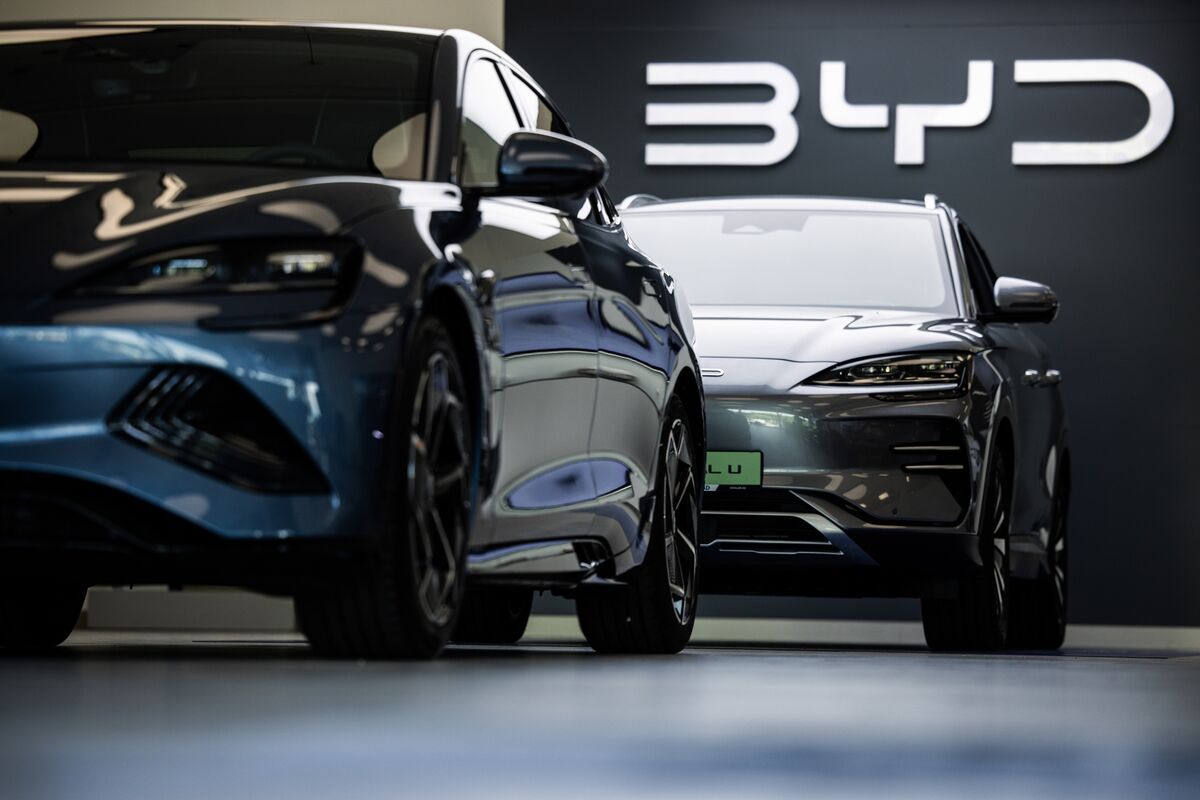
BYD Co. reported a 30% decline in quarterly profit, its first in over three years, signaling intensifying competition and profit pressure within China's electric vehicle market. This significant profit plunge for a dominant player highlights the escalating price war and market share battle, raising concerns about broader industry profitability and sustainability.
BYD Co. has reported a significant 30% plunge in quarterly profit, marking its first such decline in over three years. This downturn is a direct consequence of the intensifying price war and fierce competition for market share within the Chinese electric vehicle sector. The fact that a market-dominant player like BYD is experiencing such substantial profit erosion underscores the severity of the current market dynamics. It signals a potentially systemic issue of margin compression across the industry, suggesting that less-established competitors may be facing even greater financial pressure and raising concerns about the near-term profitability and sustainability of the sector's aggressive growth strategies.
AI-powered research, real-time alerts, and portfolio analytics for institutional investors.
Request DemoOverall Sentiment
strongly negative
Sentiment Score
-0.70
