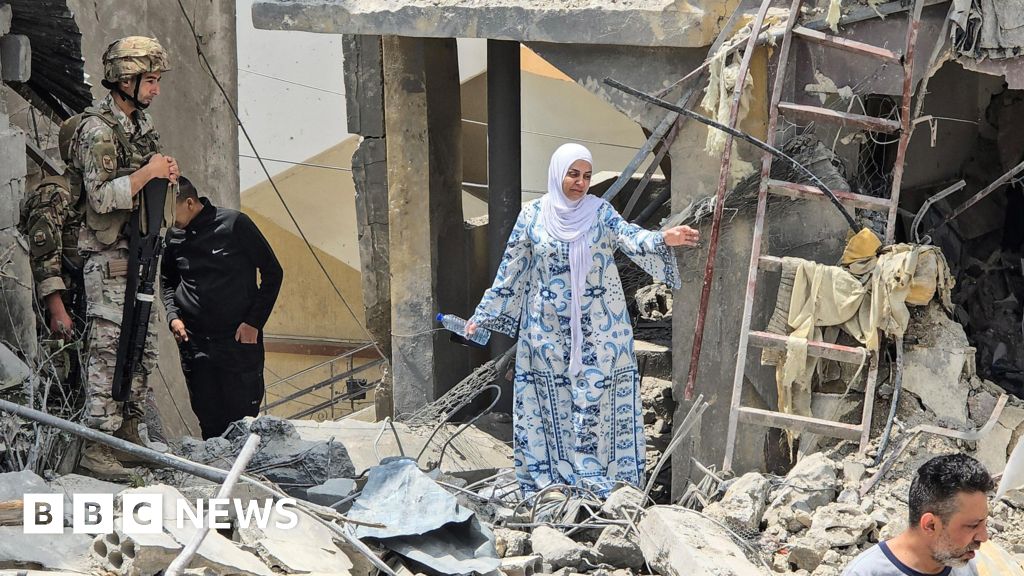
Israel ordered the evacuation of Tyre in southern Lebanon after renewed airstrikes and expanded ground operations against Hezbollah, signaling a sharp escalation despite an existing ceasefire. The conflict has already killed at least 3,213 people in Lebanon and 27 Israelis (23 soldiers and four civilians) across the border. The renewed fighting raises the risk of broader regional spillover and could disrupt ceasefire and peace talks involving the US, Israel, Lebanon, and Iran.
The market implication is not just “Middle East risk up,” but a higher probability that a localized ceasefire failure becomes a broader sequencing problem for diplomacy. That matters because when talks lose credibility, the next marginal response is usually not a clean military endpoint but a longer period of intermittent escalation, which is bearish for regional risk premia and for any asset class depending on stable shipping, credit normalization, or EM policy bandwidth.
Second-order effects are most acute in Lebanon itself: the country’s sovereign and quasi-sovereign balance sheet was already functioning on minimal confidence, and renewed displacement/air damage increases the odds of deeper banking-sector stress, capital controls, and donor fatigue. In parallel, Israel’s defense posture likely remains supported near term, but sustained ground operations and air defense consumption can become a budget and munitions replenishment issue if this drags for weeks rather than days. The real risk is not a single strike cycle; it is the transition from episodic violence to a persistent operations tempo that forces higher reserve deployment and equipment attrition.
The contrarian point is that the move may still be underpriced if investors are assuming the ceasefire framework can be “patched” quickly. Historically, markets discount the first breach and reprice only when evacuation orders imply a civilian-risk expansion or when external mediators lose leverage; that inflection can happen fast, within 1-2 sessions. If the conflict stays geographically contained, the premium should fade, but if Iran insists on folding Lebanon into the broader negotiation, the diplomatic surface area expands materially and the downside tail extends from days to months.
Base case: treat this as a volatility event with asymmetric upside in defense and downside in Lebanon-adjacent EM risk, but avoid chasing broad energy unless there is confirmed infrastructure spillover or shipping disruption.
AI-powered research, real-time alerts, and portfolio analytics for institutional investors.
Request DemoOverall Sentiment
strongly negative
Sentiment Score
-0.70
