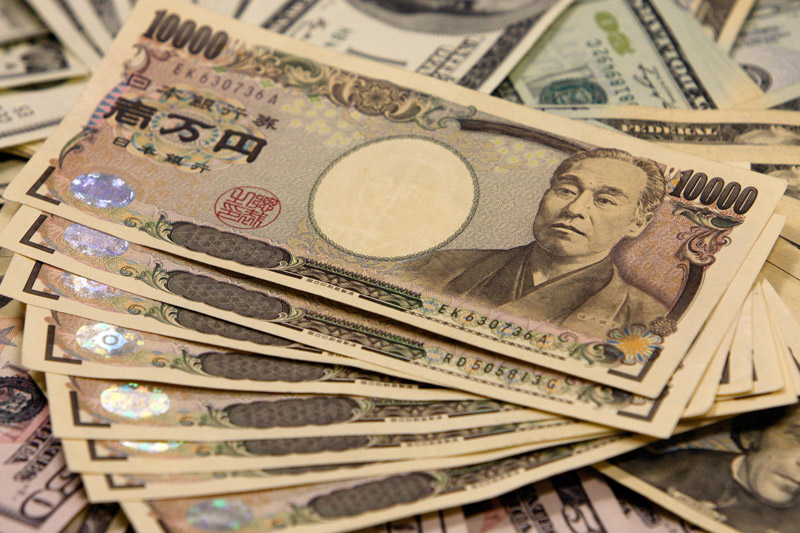
New U.S. tariff announcements, including a 35% duty on Canadian imports and existing levies on South Korea, Japan, and copper, are reigniting trade uncertainty and broadly pressuring Asian currencies. The US Dollar Index gained as most Asian currencies, led by the Japanese Yen and South Korean Won, faced weekly losses, signaling investor caution despite limited broader market impact thus far. The Australian dollar was a notable exception, gaining on the Reserve Bank of Australia's decision to hold interest rates steady.
A new wave of U.S. protectionist measures is amplifying global trade uncertainty and driving divergence in currency markets. The announcement of a 35% tariff on Canadian imports and a 50% tariff on copper, both effective August 1, alongside existing 25% duties on South Korea and Japan, has fueled a flight to the U.S. dollar, with the US Dollar Index advancing 0.3%. This has resulted in broad-based weakness across Asian currencies for the week, led by significant declines in the Japanese yen, which is on track for a 1.7% weekly loss against the dollar, and the South Korean won, poised to lose over 1%. The market sentiment is one of caution, as highlighted by ING analysts who note the "tariff saga is far from over," suggesting persistent volatility. A notable exception to the regional trend is the Australian dollar, which gained for the week after the Reserve Bank of Australia unexpectedly held interest rates steady, demonstrating that domestic monetary policy can temporarily override global trade headwinds.
AI-powered research, real-time alerts, and portfolio analytics for institutional investors.
Request DemoOverall Sentiment
moderately negative
Sentiment Score
-0.40
Ticker Sentiment
