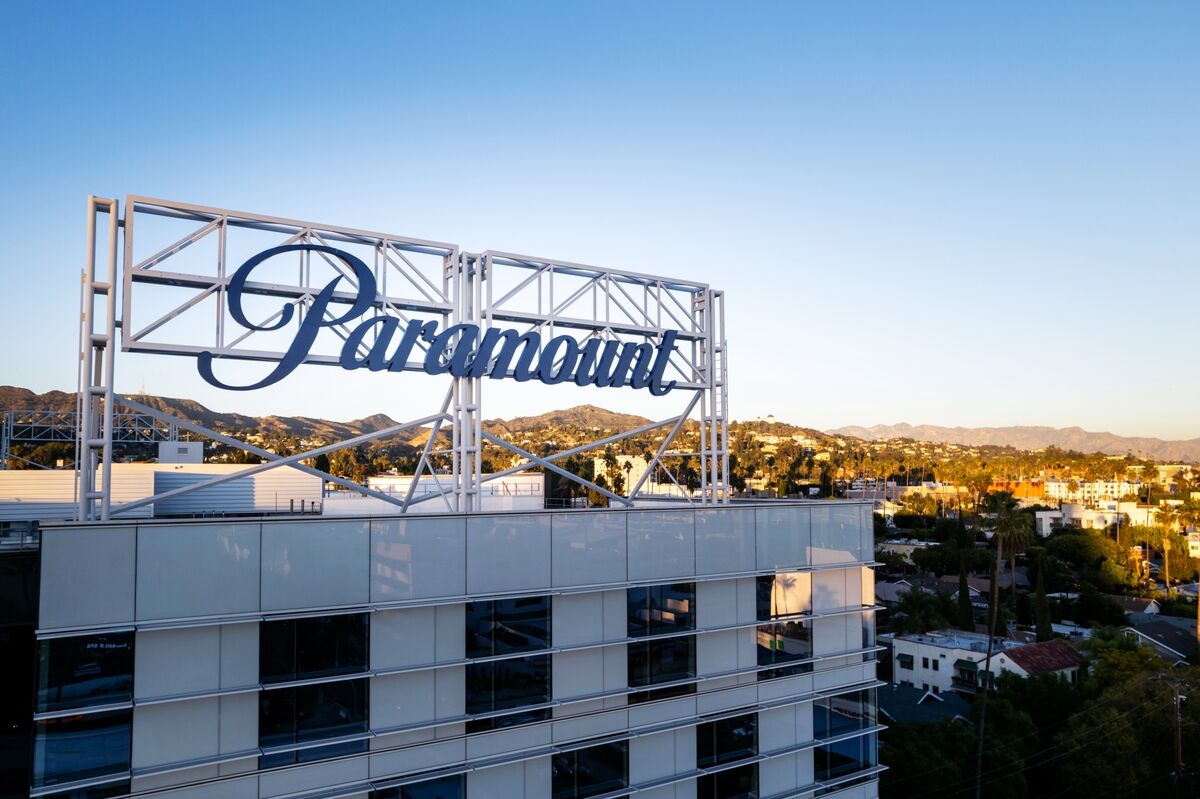
The bridge financing for Paramount Skydance’s takeover of Warner Bros. Discovery has been reduced to $49.0B from an original $54.0B commitment, with 18 lenders taking down portions of the loan. The facility was arranged by Bank of America, Citigroup and Apollo Global Management, and a separate $3.5B one-year credit line was dropped, signaling a widened syndication and trimming of the financing package for one of the year’s largest M&A deals.
Primary winners are the balance-sheet-light intermediaries and alternative managers positioned to pick up syndicated slices; they convert underwriter capital consumption into fee income without lengthening raw credit exposure, which should lift near-term ROE for large dealers by a few hundred basis points against quarterly targets. Secondary beneficiaries include the CLO/loan-fund ecosystem: a successful broad distribution on a marquee, levered corporate loan is a positive impulse for primary loan spreads and secondary liquidity, tightening funding costs for other leveraged borrowers over the next 1–3 months. The loser is concentrated equity in the takeover target’s capital structure — any signs of renegotiation, covenant watering, or sponsor stress will transmit to stressed secondaries and CDS markets, amplifying mark-to-market losses for levered holders over the next 3–12 months. Watch bank capital and regulatory optics: selling down large commitments ahead of stress tests reduces near-term RWA and gives banks room for buybacks or deployment into higher-margin trading activities, but it also signals tighter risk appetite that can tighten new-issue markets if macro volatility rises.
Tail risks cluster around macro-driven spread widening and sponsor solvency: a 150–300bp move wider in leveraged loan spreads over 6–12 months would meaningfully raise refinancing stress and could force repricing or covenant concessions on sponsor-backed financings. Near-term catalysts include the final investor allocation reports (days–weeks), CLO-warehouse flow data (weeks–months), and the next Fed pivot or GDP prints that reprice credit curves; any adverse legal/regulatory developments around the deal could convert funding convenience into drawn contingency. Reversal scenarios are straightforward — sustained spread tightening and robust retail/insurer demand would render the syndication nervousness a non-event and compress credit premia, while a macro shock would do the opposite and push losses onto the most levered holders.
Contrarian view: the market reads the sell-down as defensive capital management by banks, but it can also be interpreted as a tacit vote of confidence in institutional demand for leveraged paper — sponsors and non-bank buyers are willing to fund headline risk at scale. That creates an asymmetric policy risk: banks de-risking their books transfers duration and credit concentration into less regulated pockets (CLOs, private credit), increasing systemic sensitivity to next downturn. The practical implication is to favor liquid bank equities that benefit from RWA relief while remaining short or hedged on tail-exposed, levered media credits that will reprice faster when spreads widen.
AI-powered research, real-time alerts, and portfolio analytics for institutional investors.
Request DemoOverall Sentiment
neutral
Sentiment Score
0.00
Ticker Sentiment
