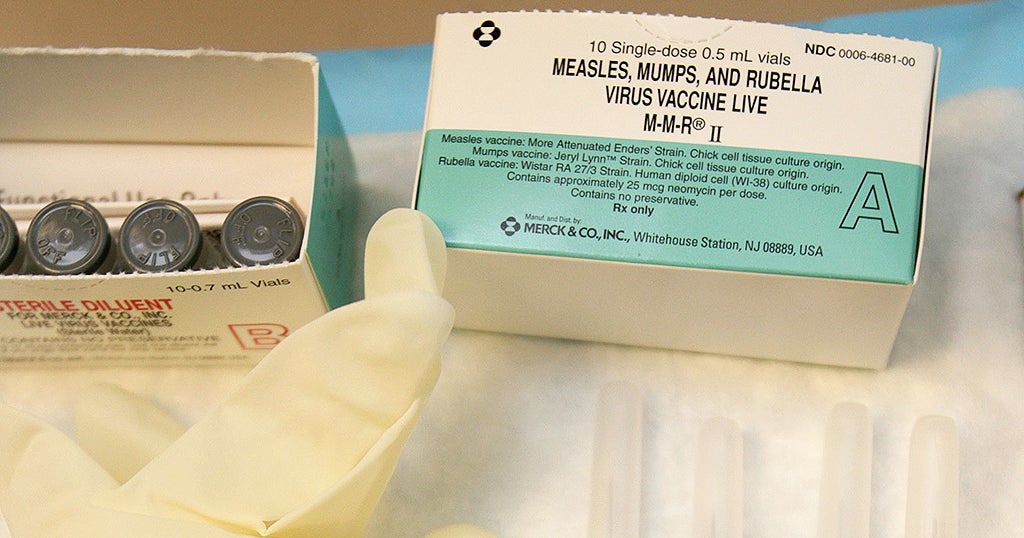
Maryland reported its first measles case of 2026, linked to an international traveler and prompting exposure tracing at BWI Airport, FastMed Urgent Care, and Sinai Hospital. Officials warned that measles can remain airborne for up to two hours and that symptoms may appear 10 to 14 days after exposure, with unvaccinated people advised to monitor for 21 days. The public health impact is localized, but the news reinforces vaccination urgency and travel-related infection risk.
This is less a single-event health headline than a short-duration operational stress test for travel nodes and acute-care throughput. The first-order economic effect is muted, but the second-order effect is a localized spike in precautionary demand: vaccinations, urgent-care visits, testing, and exposure-screening all rise for roughly the next 2-3 weeks, with the highest sensitivity concentrated around airports, ERs, and pediatric touchpoints. That favors providers with front-end cash-pay or high-volume outpatient access more than large inpatient systems, which mostly absorb cost and crowding.
The bigger market implication is behavioral drag on discretionary mobility, but it should be transient unless secondary cases appear. A single imported case can create a few days of friction at the margin for airport traffic and same-day care utilization, yet the real catalyst is any evidence of transmission into schools, pediatric networks, or repeat exposures in the same metro area; that would extend the window from days to months and could amplify staffing and infection-control costs for local hospitals.
The contrarian read is that the market is likely to overestimate broad healthcare demand while underestimating the operational burden on employers with dense customer-facing workforces. Air travel, retail, and leisure names usually only see sentiment damage unless case counts rise, but local healthcare systems can see near-term margin pressure from diverted staff time, isolation protocols, and lower elective throughput. If no follow-on cases emerge within one incubation cycle, the trade should mean-revert quickly; if they do, expect a sharper repricing of regional consumer confidence and hospital expense ratios.
AI-powered research, real-time alerts, and portfolio analytics for institutional investors.
Request DemoOverall Sentiment
moderately negative
Sentiment Score
-0.35
