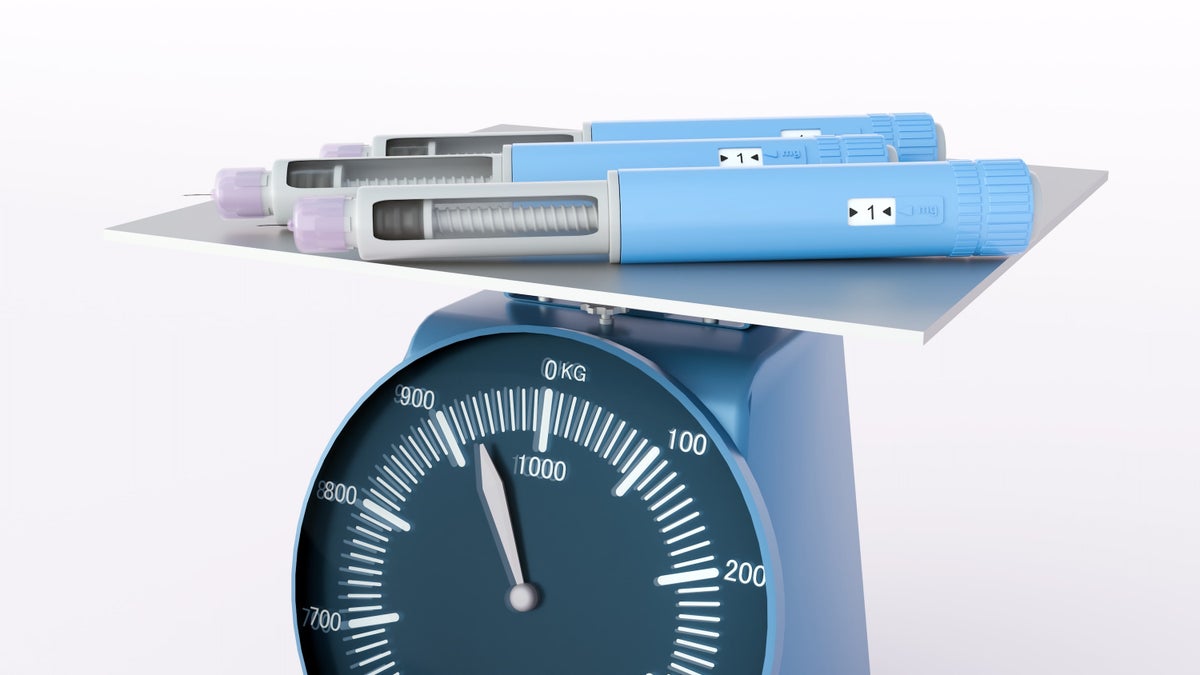
Retatrutide, an Eli Lilly GLP-1 drug, produced 28.3% body-weight loss over 80 weeks in a recent trial, raising the possibility of FDA approval and a new best-in-class obesity treatment. The article also highlights important safety tradeoffs, including 25% to 40% lean-mass loss, higher gallbladder disease risk, and concerns about bone loss and nutrient deficiencies. Overall, the piece is informative for the obesity-drug sector but not immediate price-moving news.
The key equity implication is that the market is still pricing GLP-1s as a class, but the next leg of differentiation is body-composition management and tolerability. That shifts the commercial moat away from pure efficacy and toward the companies that can package weight loss with lower discontinuation, better muscle preservation, and cleaner reimbursement narratives. For NVO, the near-term issue is not whether the category grows, but whether its next-generation pipeline can defend share if prescribers start caring more about “quality of loss” than absolute pounds shed.
A second-order effect is that faster and deeper weight-loss efficacy may increase, not decrease, physician scrutiny and payer friction. If long-term monitoring shows higher rates of sarcopenia, osteopenia, or gallbladder events, utilization can slow even without a formal safety label change, because endocrinologists will titrate more conservatively and obese patients will cycle on/off therapy. That creates a meaningful lag between headline clinical wins and durable revenue capture, especially if real-world persistence worsens once patients experience rebound or nutrient deficiency.
The contrarian read is that the market may be overestimating how much incremental efficacy translates into incremental net sales. The ceiling is not just safety; it is behaviorally driven retention, step-down dosing, and the need for resistance training/protein compliance that most patients will not sustain. In other words, the most effective drugs may not become the most profitable if the practical burden of maintaining a healthy body composition causes more discontinuations or slower titration.
From a timing perspective, this is a months-to-years debate, not a days trade, unless the FDA or the company releases body-composition data that materially changes prescriber confidence. The near-term catalyst is any retatrutide disclosure on lean mass, bone, or GI/gallbladder outcomes; the tail risk is a class-wide narrative shift from 'obesity solution' to 'medicalized rapid weight-loss with hidden costs,' which would compress enthusiasm for the entire GLP-1 basket.
AI-powered research, real-time alerts, and portfolio analytics for institutional investors.
Request DemoOverall Sentiment
neutral
Sentiment Score
0.10
Ticker Sentiment
