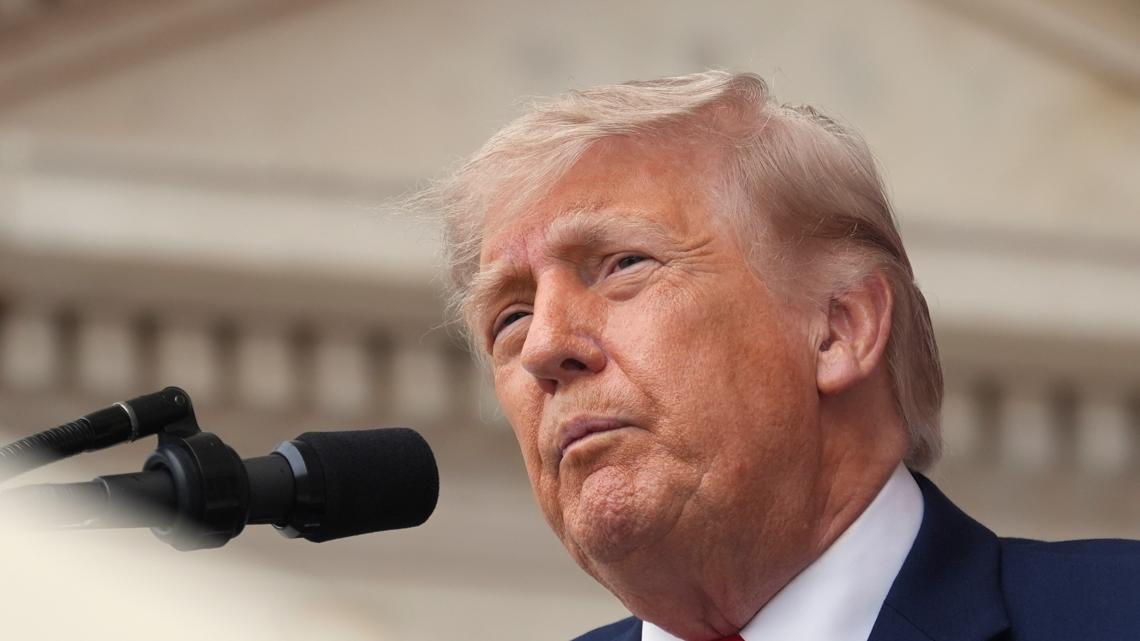
Trump said any deal to end the Iran war should require additional countries, including Saudi Arabia, Pakistan, Qatar, Turkey, Egypt and Jordan, to join the Abraham Accords. The proposal injects a new diplomatic condition into negotiations and has already drawn criticism from Republicans favoring a harder line on Iran. Market impact is likely limited to geopolitics and defense sentiment, but the outcome could affect broader Middle East risk pricing.
The market implication is not the Iran channel itself; it’s the linkage of a security deal to a broader regional normalization framework. That raises the probability of a slower, more conditional negotiation path, because any “grand bargain” now has to clear multiple veto points with different domestic political constraints. In practice, that reduces near-term certainty around risk premia in oil, defense, and EM FX, while increasing the odds of headline-driven volatility rather than a clean trend. Second-order, the most important beneficiary is not obvious peace optionality but bargaining leverage for states that can monetize strategic ambiguity. Saudi Arabia can extract more U.S. security concessions by keeping normalization tied to Palestinian statehood, while Pakistan gains room to avoid a binary public stance by positioning itself inside a multilateral diplomatic process. That makes the near-term probability of actual normalization with the additional named countries low, but the probability of repeated negotiations and incremental side deals high over the next 3-12 months. For markets, the key risk is that a failed or diluted framework revives hardline factional pressure in Washington and pushes the path back toward sanctions enforcement and military signaling. That would be supportive for defense primes and tactical hedges on oil, but bearish for any assets pricing in a rapid regional détente. Conversely, if the administration gets even one visible normalization win, the market may overreact and compress geopolitical risk premia faster than fundamentals justify. The contrarian view is that this is more political packaging than diplomatic breakthrough: the additional normalization condition may be a negotiating tool to sell a deal domestically rather than a realistic foreign-policy requirement. If so, the right trade is not to chase a durable “peace premium” unwind, but to fade excessive volatility once the headline cycle matures and negotiations continue without resolution.
AI-powered research, real-time alerts, and portfolio analytics for institutional investors.
Request DemoOverall Sentiment
neutral
Sentiment Score
0.00
