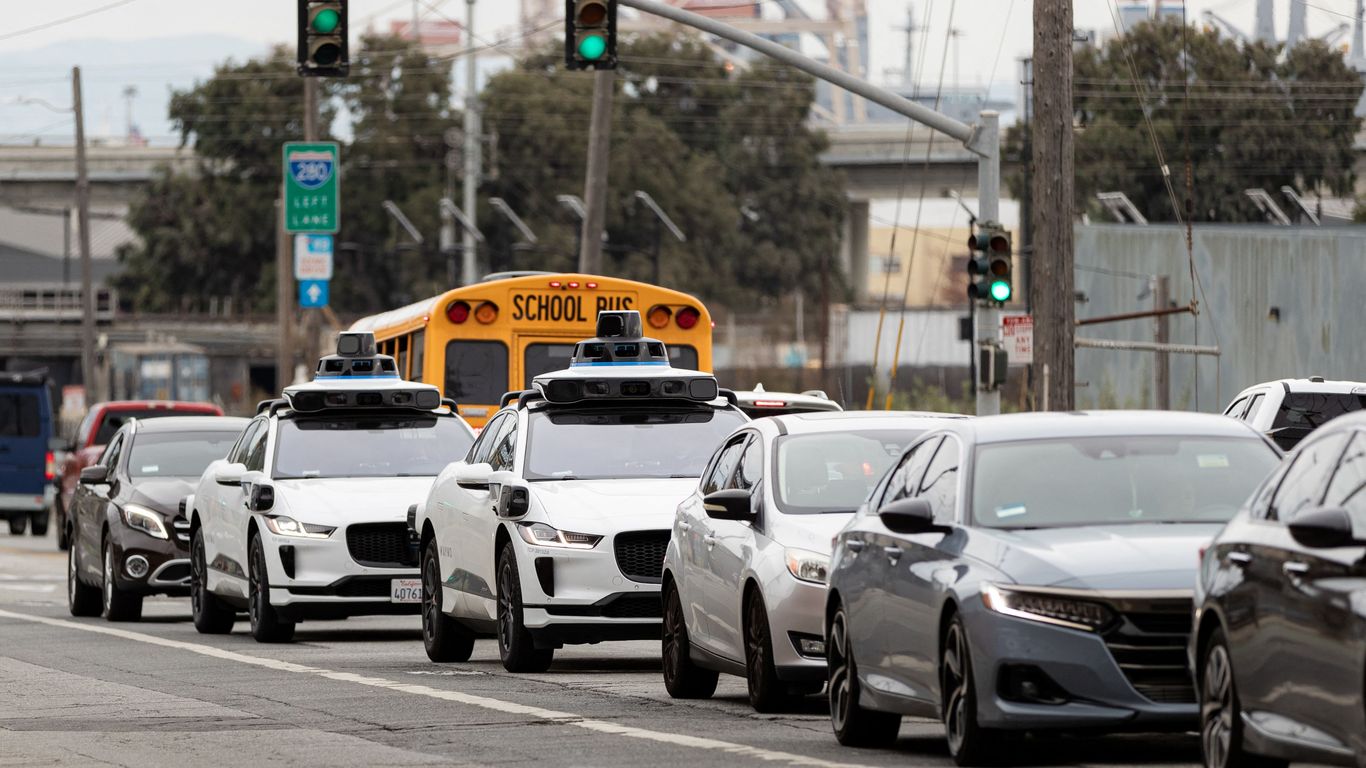
Waymo has filed a voluntary software recall with NHTSA after a preliminary safety probe into robotaxis failing to properly stop for school buses; the company identified a software bug, deployed an update on Nov. 17 and says performance is now better than human drivers in those scenarios. However, the Austin Independent School District reported five additional November incidents and has urged suspension of operations near schools, while NHTSA has demanded further details by Jan. 20; the recall will be posted on NHTSA’s site next week but may not close the investigation, posing regulatory and reputational risk for Waymo (and its parent Alphabet).
Market structure: The recall raises regulatory compliance costs but disproportionately penalizes narrow-exposure AV hardware and small robotaxi operators while benefiting deep-pocketed incumbents (Alphabet/GOOGL) that can absorb recalls and iterate software fast. Expect modest short-term reputational hit that slows commercial rollouts by ~6–18 months in conservative municipal procurement models; incumbents with large training datasets and cloud margins keep pricing power in ride-hail/robotaxi software. Cross-asset: near-term equity volatility in AV suppliers will rise; credit spreads for small AV startups widen; limited macro impact on FX/commodities unless broader AV rollout delays reduce metal demand by multi-year horizons.
Risk assessment: Tail risks include aggressive city-level bans or a punitive NHTSA ruling (suspension of operations in key metros) that could create multi-quarter revenue disruption and >$500M fines for major players or force buybacks of vehicles. Immediate (days): event-driven equity moves around NHTSA postings; short-term (weeks/months): probe outcome due Jan 20 is a binary catalyst; long-term (quarters/years): slower adoption curve and higher compliance costs. Hidden dependencies: software fixes can introduce regressions; contractual revenue with OEMs may have clawbacks tied to safety KPIs.
Trade implications: Favor selective exposure to diversified tech parent Alphabet (GOOGL) and underweight pure-play LIDAR/hardware names (LAZR, AEVA-style) that rely on rapid robotaxi scale to justify valuations. Use options to express idiosyncratic risk around the Jan 20 deadline (buy 30–60 day puts on LAZR; buy cheap protective puts on GOOGL at ~5% OTM to hedge). Rotate 2–4% portfolio weight from AV-hardware into software/cloud AI leaders and insurers that collect premiums on AV risk.
Contrarian angles: Market may over-penalize Alphabet — a voluntary recall signals proactivity and reduces tail legal risk, which should cap downside versus small-cap AV suppliers. Historical parallels: regulatory scares (Uber/Tesla autopilot) caused short-lived equity drawdowns followed by concentration to larger players; unintended consequence — stricter rules favor deep-pocketed incumbents and accelerate consolidation, creating multi-year winners and mispriced shorts in niche hardware plays.
AI-powered research, real-time alerts, and portfolio analytics for institutional investors.
Request DemoOverall Sentiment
neutral
Sentiment Score
-0.15
