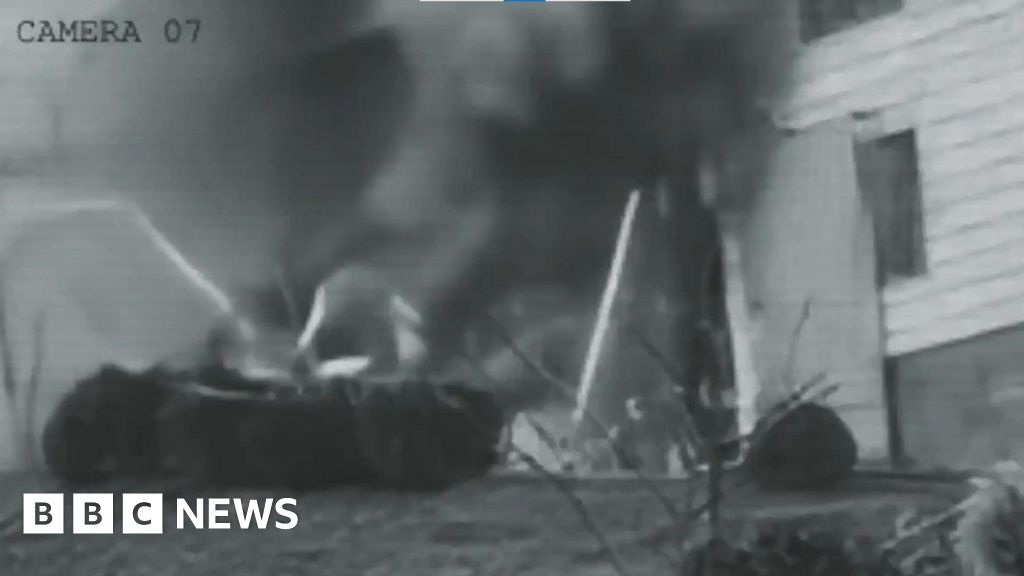
Israel has significantly escalated its military actions against Iran, striking Tehran's Evin prison and access routes to the Fordo uranium enrichment plant, a day after a US strike on Fordo and amidst reciprocal missile attacks from Iran. This sustained campaign, which Israel states targets Iranian nuclear and ballistic missile programs, intensifies regional geopolitical risk and underscores the deepening conflict in the Middle East.
The direct military conflict between Israel and Iran has escalated significantly, characterized by Israeli strikes on sensitive Iranian targets, including Tehran's Evin prison and access routes to the Fordo uranium enrichment facility. This campaign, which Israel states is aimed at neutralizing nuclear and missile threats, follows a recent US attack on the Fordo plant, indicating a coordinated or aligned stance against Iran's strategic capabilities. The conflict is reciprocal, with Iranian ballistic missiles causing casualties and infrastructure damage in Israeli cities like Ashdod, leading to power disruptions. The high casualty figures on both sides—with Iran reporting around 500 deaths and Israel 24—underscore the intensity of the engagement. The situation's high market impact score of 0.8 and strongly negative sentiment reflect its classification as a major geopolitical event, introducing significant volatility and risk into global markets by destabilizing a critical region.
AI-powered research, real-time alerts, and portfolio analytics for institutional investors.
Request DemoOverall Sentiment
strongly negative
Sentiment Score
-0.80
