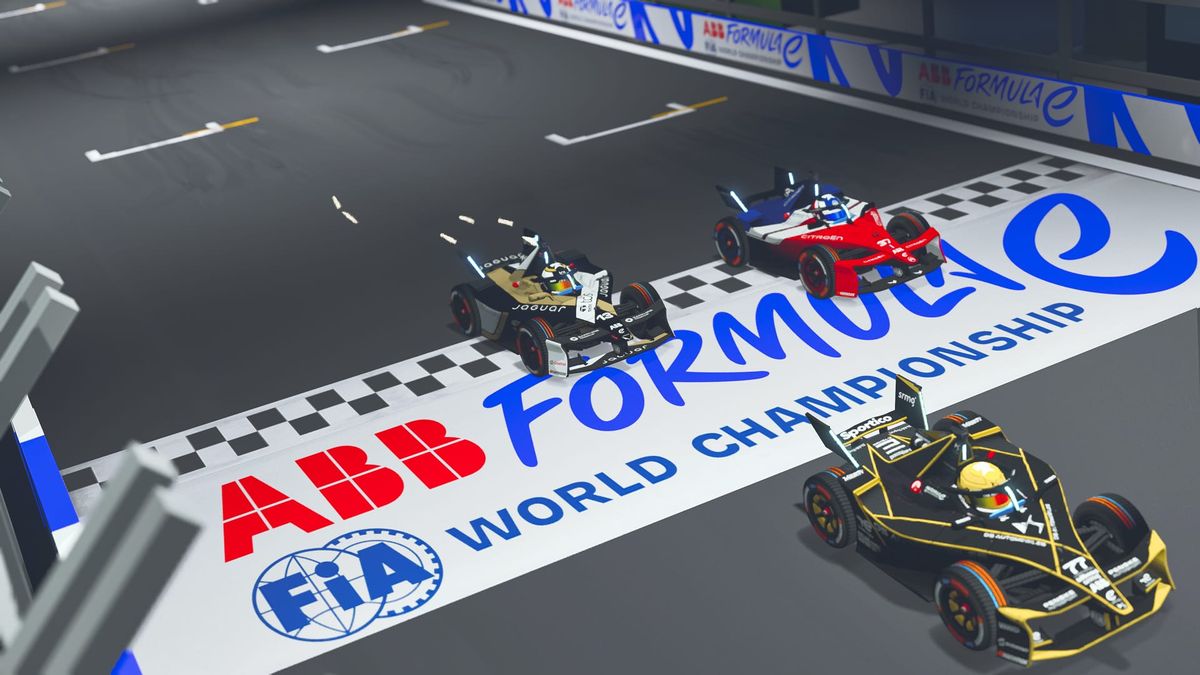
Formula E will debut as the first official racing series in Formula Legends via the 'Formula E: Electric Revolution' DLC on April 30 for PC, Xbox and PlayStation, with a Switch update to follow. The expansion adds all current Formula E teams and drivers, all car generations from Gen1 to Gen3 Evo, six official tracks, and new gameplay mechanics including battery management and Attack Mode. The news is positive for the game’s content depth and for Formula E brand exposure, but the market impact is likely limited.
This is a small but useful signal that electric mobility is moving from a “product category” into a cultural property. The monetization angle is not the game itself; it is the normalization effect: esports, sim-racing, and younger console audiences get repeated exposure to EV-specific mechanics like energy management and mode-based overtakes, which is a better branding channel than traditional ads for a demographic that will make its next vehicle decision in 3-7 years.
The second-order winner is the content platform layer, not the racing franchise. Licensing official teams, cars, and tracks creates recurring demand for authenticated digital assets, while the developer’s willingness to iterate after criticism suggests a live-service mindset that can extend the title’s shelf life and DLC attach rates. That matters because the value accrues through engagement retention rather than one-off unit sales, which is structurally better for publishers with back catalogs and lower marginal content costs.
The contrarian read is that the market may overestimate the immediate commercial impact of “official” licensing and underestimate execution risk. Sports DLC can be a sharp catalyst for engagement, but conversion to incremental revenue is fragile unless the base game already has healthy concurrency; if not, the licensing premium mostly transfers economics to the rights holder. If Formula E’s audience proves niche, the lift is more about brand equity than direct P&L, and any enthusiasm should fade within one earnings cycle unless there is measurable lift in DLC sell-through or player retention.
For EVs broadly, the more important signal is not consumer demand today but narrative durability. Titles that make battery management and regen feel like strategy rather than compromise can subtly reduce psychological resistance to EV ownership, but that effect should show up first in awareness metrics, not unit sales. In the near term, this is a low-magnitude positive for EV sentiment, with the real test being whether similar integrations expand into other racing or driving franchises over the next 6-18 months.
AI-powered research, real-time alerts, and portfolio analytics for institutional investors.
Request DemoOverall Sentiment
mildly positive
Sentiment Score
0.25
