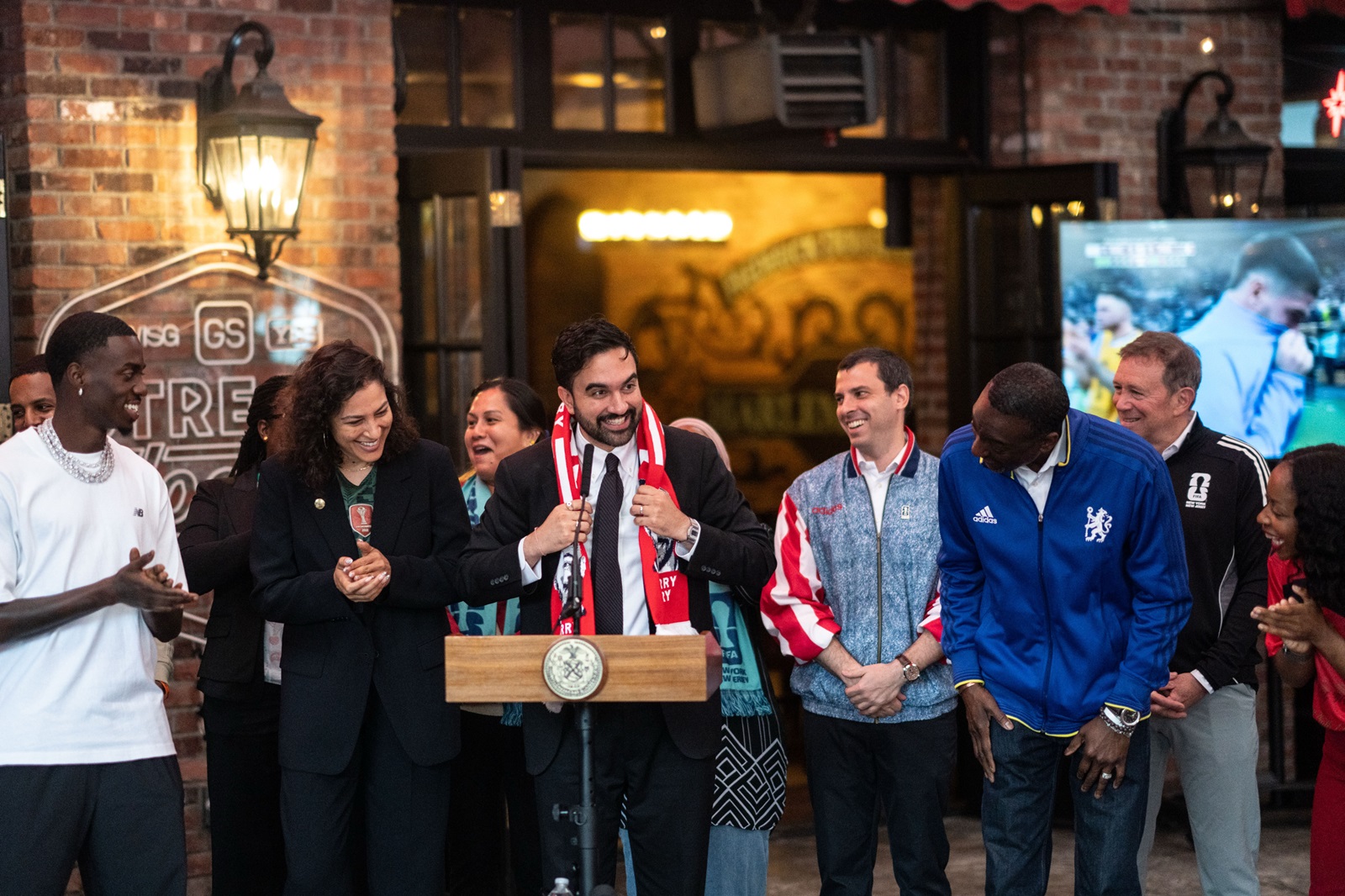
New York City announced 1,000 World Cup 2026 tickets priced at $50 each for residents, with free round-trip bus transportation to MetLife Stadium. The program covers five group-stage matches and two knockout games, with roughly 150 tickets per match and a lottery opening May 25. The initiative is framed as an affordability and access measure for working-class New Yorkers, but it is unlikely to have meaningful market impact.
This is a small-dollar, high-symbolism policy move with limited direct market impact, but it matters for how New York frames the World Cup demand curve. By ring-fencing low-price inventory for residents, the city is effectively suppressing the most visible local backlash risk while also creating a measurable “access” narrative that can support broader event-related spending without appearing elitist. The real economic beneficiary is not ticketing revenue; it is the transport, hospitality, and neighborhood retail ecosystem that gets a cleaner pathway to same-day attendance from lower-income boroughs.
The second-order effect is capacity management. Free, organized bus transport reduces friction versus self-directed travel, which should improve arrival reliability and lower last-mile congestion around MetLife on match days. That is incrementally positive for stadium ops, security planning, and nearby concession capture, but it also shifts some spend away from ride-hail and parking toward pre-event neighborhood consumption in NYC pickup zones and post-event transit corridors. If replicated, this model could become a template for future large events: politically popular, operationally efficient, but monetarily redistributive away from premium transport providers.
The contrarian angle is that 1,000 seats is too small to move aggregate demand, so the market may overestimate the breadth of local purchasing power created here. The more important catalyst is political: this lowers the odds of a narrative that the tournament is inaccessible to working-class residents, reducing headline risk into the opening months of 2026. Tail risk is execution—if lottery optics, transport delays, or resale leakage emerge, the story flips quickly from inclusion to favoritism and mismanagement, but that risk is more reputational than financial.
For traders, the cleanest expression is to stay long the broad New York leisure/reopening basket into event season while fading any overshoot in ride-hail or parking names that might not capture the incremental spend due to the bus program. The opportunity is tactical, not structural: front-end enthusiasm around World Cup-related NYC consumption can support a 3-6 month trade, but there is no durable earnings lift from a 1,000-seat allocation. The better setup is to buy any pullback in hotel and local consumer names on scheduling or political noise, not on this announcement itself.
AI-powered research, real-time alerts, and portfolio analytics for institutional investors.
Request DemoOverall Sentiment
mildly positive
Sentiment Score
0.25
