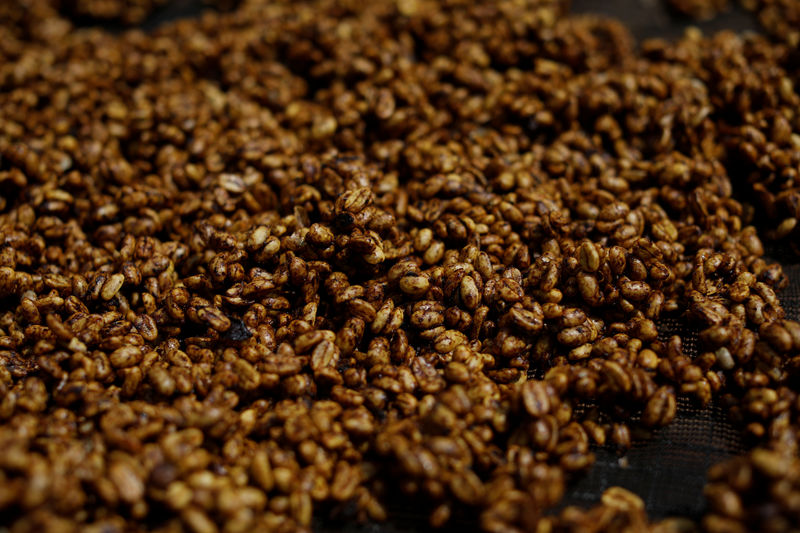
Arabica coffee futures jumped 5.2% to $2.728/lb and robusta rose 2% to $3,598/metric ton as investors covered shorts amid worries about delayed Brazilian harvests, rain disruption, and declining certified stocks. Raw sugar gained 1% to 13.82 cents/lb after earlier touching a near two-month low, with a more supportive 2026/27 outlook tied to an emerging El Nino pattern that could curb production. White sugar also advanced 1.7% to $449.90/ton.
The immediate edge here is not the price pop itself but the change in positioning: when a market is crowded short and the fundamental story shifts from orderly harvest to weather-disrupted logistics, the squeeze can outrun the underlying supply impact for days to weeks. That favors owners of structured exposure on the ICE contract and adjacent merchants with inventory optionality; the key second-order effect is that physical buyers may defer hand-to-mouth purchases, which can keep nearby spreads firm even if outright prices stall.
The Brazil weather angle matters more for quality than headline tonnage in the next 4-8 weeks. Delayed drying and interrupted fieldwork tend to widen the discount between deliverable coffee and lower-grade alternatives, which can improve economics for roasters with flexibility in blends while pressuring smaller buyers with less substitution power. If certified stocks continue to erode, the market is signaling that buffer inventory is thin enough that any additional harvest delay could force a second leg higher rather than a fade.
Sugar looks more nuanced: the move is being pulled by weather optionality, but the medium-term setup is still hostage to energy prices. Lower crude can blunt sugar’s floor because ethanol arbitrage weakens, so the cleaner bullish expression is not a blunt long sugar bet but a call spread or a long-dated structure that survives near-term oil weakness while retaining upside into the next growing-season narrative. The El Nino setup is a 2026-27 catalyst, not an immediate one, which means the market may be pricing a weather premium before there is a real supply shortfall.
Contrarian risk: the rally could be front-running a binary weather thesis that remains highly uncertain, and once Brazilian fieldwork normalizes the speculative short-covering impulse can exhaust quickly. If oil keeps sliding, sugar could underperform the weather narrative because the energy linkage is a cleaner, faster-moving anchor than climate forecasts. The best trade is to own convexity into the weather channel while avoiding overpaying for outright exposure after a one-day squeeze.
AI-powered research, real-time alerts, and portfolio analytics for institutional investors.
Request DemoOverall Sentiment
mildly positive
Sentiment Score
0.15
Ticker Sentiment
