
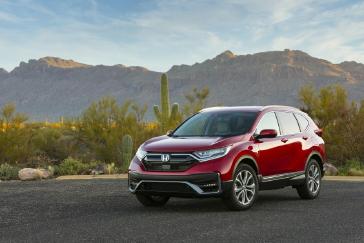
Honda and Acura disclosed a safety recall covering 98,892 vehicles, with an estimated 1% potentially affected by the defect. The recall spans multiple model years of Accord, CR-V, Civic, MDX, Odyssey, Pilot, Ridgeline, TLX and others, and the remedy type is repair. Owners can check eligibility via Honda/Acura recall websites or by calling (888) 234-2138.
This is less a one-off quality event than a broad franchise-level nuisance: the recall reaches the core high-velocity, high-margin mix in Honda/Acura and hits multiple nameplates that drive dealer traffic, service absorption, and CPO inventory. The market should care most about TLX because the Acura premium brand is already fighting for relevance; repeated safety headlines tend to compress resale values and raise incentive spend faster than they hit unit sales, which is the real margin leak over the next 1-2 quarters.
The second-order winner is the aftermarket/service ecosystem. A repair-oriented remedy pulls work into dealers and may temporarily lift parts/service revenue, but that benefit is usually offset by lower customer satisfaction and softer brand trust in the next purchase cycle. The more important supply-chain read-through is for competitor Japanese OEMs and even domestic crossovers: any incremental defection away from Honda/Acura likely lands in Toyota/Lexus, Hyundai/Kia, and the larger crossover segment where shoppers can switch with minimal feature sacrifice.
The contrarian point is that the headline severity is probably overstated relative to financial impact because the estimated defect rate is low and the affected population is dispersed across many trims and years. The bigger risk is not immediate warranty expense; it is cumulative brand degradation if this recall reinforces a narrative of broad platform/process fragility. That matters more over months than days, and would show up first in used values, lease residuals, and dealer order books rather than in near-term earnings revisions.
For TLX specifically, the asymmetric setup is a negative sentiment event with limited standalone scale but meaningful brand-overhang risk. If the issue becomes a recurring Honda/Acura quality theme, the next leg is multiple compression on Acura exposure via lower residuals and higher promotional intensity, not a direct recall charge shock.
AI-powered research, real-time alerts, and portfolio analytics for institutional investors.
Request TrialOverall Sentiment
neutral
Sentiment Score
-0.10
Ticker Sentiment
