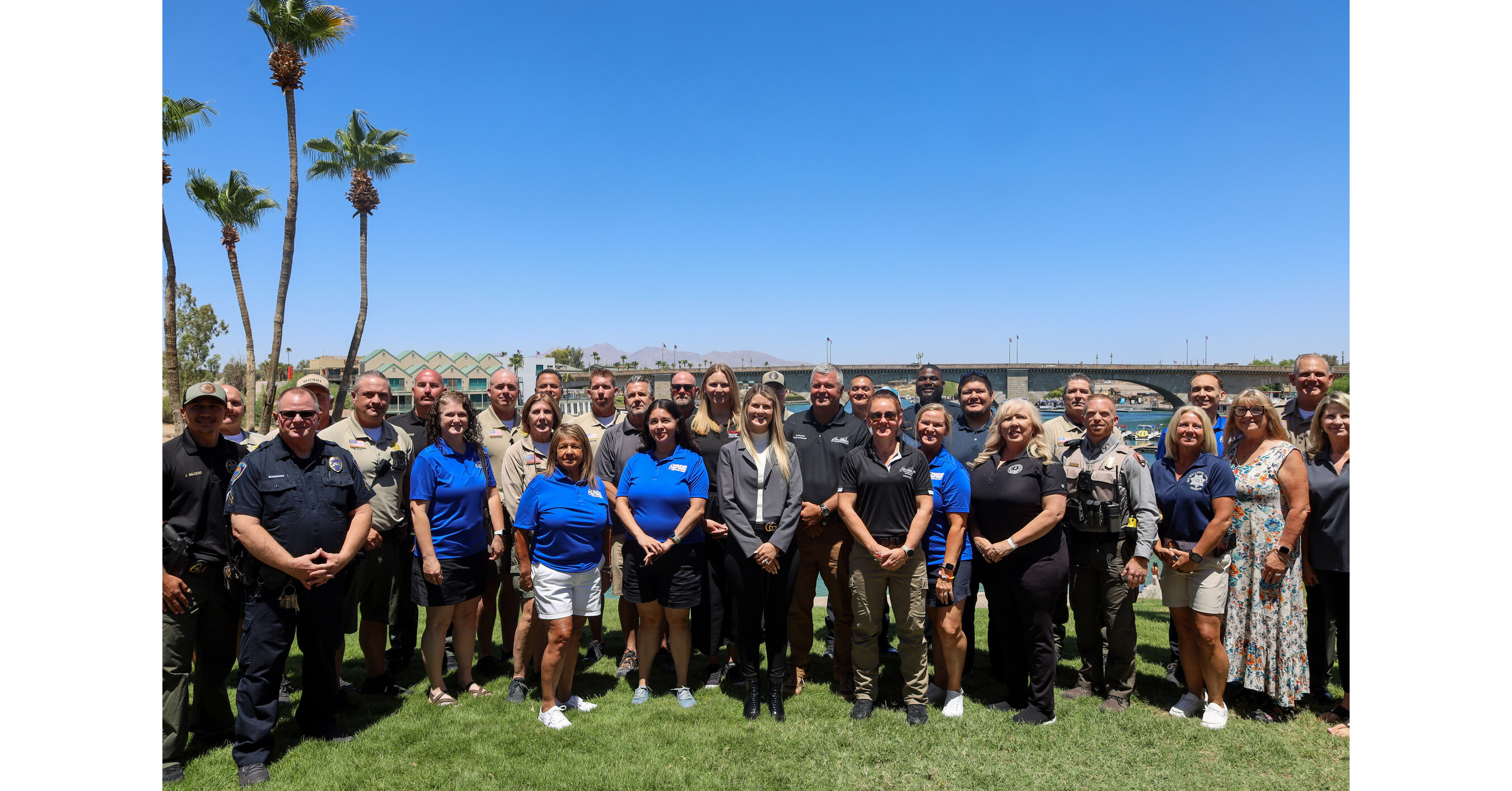
Operation Dry Water’s 2026 national kickoff event in Lake Havasu City, Arizona, formally launches the July 3–5 heightened awareness and enforcement weekend aimed at reducing alcohol- and drug-impaired boating. U.S. Coast Guard data cited says July has the highest recreational boating incidents, injuries, and fatalities of any month, with alcohol the leading known contributing factor. Since the campaign began in 2009, participating law enforcement removed more than 7,900 impaired boat operators and made over 3.3 million boater contacts via education and enforcement.
This is a predictable seasonal enforcement event, not an investable regulatory shock. The market mechanism, if any, is a tiny and temporary mix shift away from lake-adjacent discretionary spend toward shore-based consumption, but that is more relevant for local marina operators, rental fleets, and alcohol-heavy leisure venues than for CWT.
For CWT specifically, the headline has no direct revenue, rate-case, or capex implication. If anything, the only second-order link would be reputational: heightened public attention on water safety can sometimes spur broader municipal scrutiny, but that is far too diffuse to change near-term estimates or multiples.
The more important lens is what would need to happen for this to matter: sustained enforcement that measurably reduces holiday boating traffic, or an accompanying weather/fire restriction that depresses recreation across a full season. Absent that, this is a short-lived compliance campaign with no real catalyst path for a utility name.
Contrarian read: consensus should not over-interpret public-safety press releases as demand destruction. These campaigns are usually priced as background noise unless there is evidence of materially lower marina throughput, local tourism traffic, or alcohol sales during the holiday weekend.
AI-powered research, real-time alerts, and portfolio analytics for institutional investors.
Overall Sentiment
neutral
Sentiment Score
0.05
Ticker Sentiment
