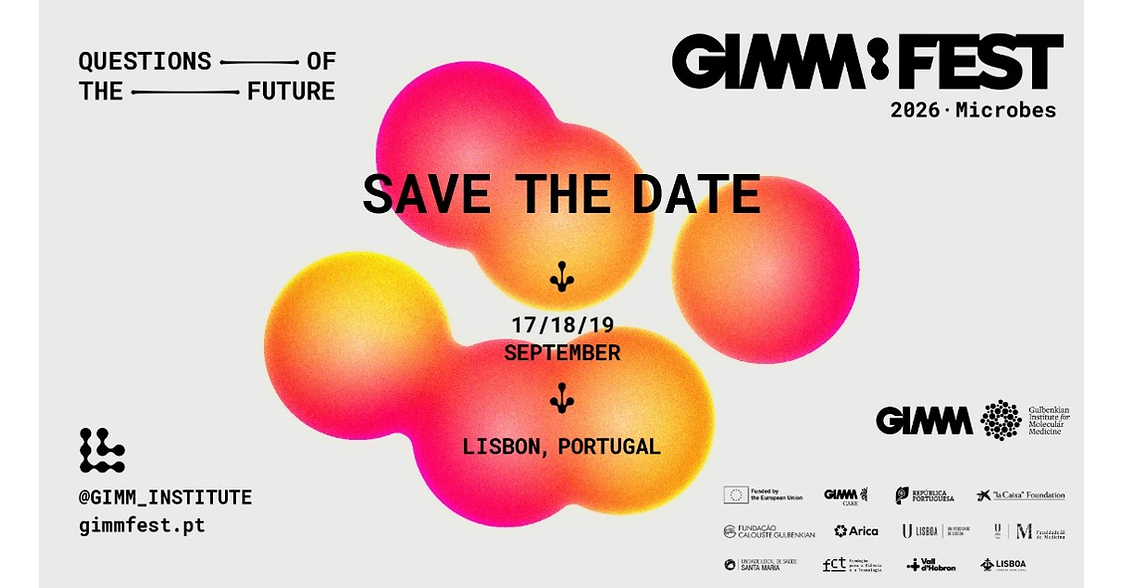
The GIMM Festival (Lisbon, Sept. 17-19, 2026) will convene leading microbiology experts—featuring Nobel laureate Charles M. Rice—to address emerging viruses, antimicrobial resistance, and biological engineering. The program highlights priorities such as host–microbe interactions, future pandemic preparedness, antibiotic resistance mechanisms, and synthetic biology, with organizers noting WHO concerns that antimicrobial resistance could cause millions of deaths without effective action. This is an event-focused announcement with limited direct financial market impact.
This is not a near-term P&L catalyst; it is a signal that the market narrative around AMR, microbiome, and bioengineering remains intellectually alive, but still years away from broad monetization. The immediate economic winners are the picks-and-shovels vendors behind these programs — sequencing, sample prep, assay development, and translational research tools — because every new grant or consortium starts with consumables and instrumentation before it reaches clinical adoption. The more durable upside sits with large diagnostics/platform names that can turn microbial identification into workflow, but that requires reimbursement and hospital budget cycles, not conference visibility.
The key second-order effect is capital allocation: these themes can modestly support European and US grant flow, which benefits the supplier ecosystem before it benefits therapeutics. For drug developers, the risk is that the enthusiasm around microbiome engineering and pandemic preparedness keeps inflating pipeline optionality without creating revenue, so valuation can detach from commercial reality. The best expression is not chasing the theme now, but waiting for a verifiable trigger: a funded partnership, a clinical validation readout, or a procurement decision.
Contrarian view: consensus often overestimates how quickly AMR and microbiome science become investable products. The bottleneck is not scientific credibility; it is clinical utility, payer acceptance, and operational adoption inside hospitals. If the next 1-3 months produce only more symposium coverage and no new funding or regulatory signal, the trade should be to fade any thematic rally rather than chase it.
AI-powered research, real-time alerts, and portfolio analytics for institutional investors.
Request TrialOverall Sentiment
neutral
Sentiment Score
0.08
