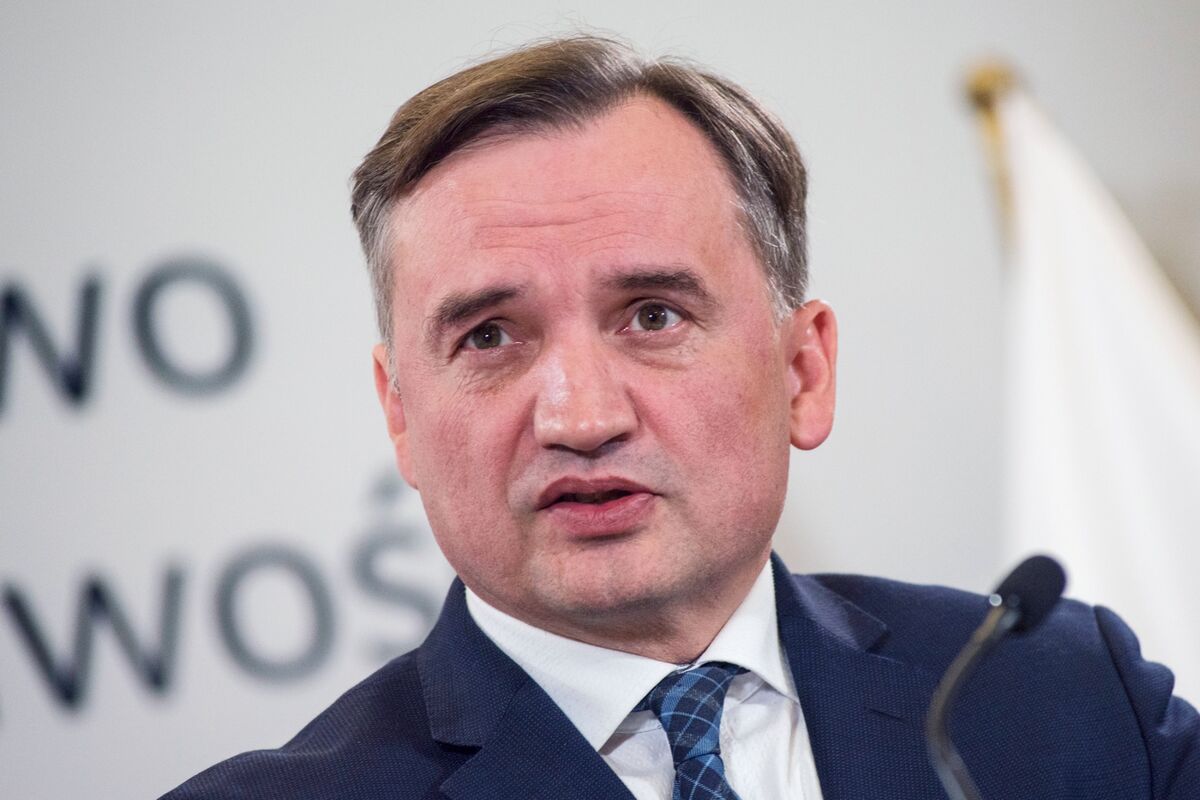
Zbigniew Ziobro, Poland’s former justice minister, reportedly fled Hungary for the US after Viktor Orban’s electoral defeat, with his visa approval said to require direct intervention from President Donald Trump. The report adds that Secretary of State Marco Rubio and US Ambassador to Poland Tom Rose opposed the visa decision. The article is politically focused and carries limited direct market relevance.
This is less about one fugitive and more about the durability of the anti-Orban coalition in Central Europe. If Washington is now willing to override State/embassy objections for a politically connected ex-minister, it signals that personal-network diplomacy remains live even under a formal rule-of-law frame; that tends to favor actors who can mobilize bilateral backchannels and hurts institutions that rely on predictable process. The second-order effect is a higher premium on “friend-shoring” countries with strong executive alignment, while Hungary’s already fragile reputation as an investable gateway to the EU gets another governance discount.
The market implication is not immediate headline beta but slower-moving sovereign and legal risk pricing. Over the next 1-3 months, expect renewed pressure on Hungarian and Polish assets most exposed to discretionary U.S./EU cooperation—think EU funds disbursement, judicial compliance, and defense procurement—because litigation and extradition disputes can become bargaining chips in broader political negotiations. If the story escalates into formal investigations or reciprocal accusations, it raises the odds of episodic FX weakness and wider spreads for local banks and domestic utilities that depend on stable regulatory coordination.
The contrarian angle: the most important effect may be that the episode confirms the resilience of personal exiles as a political asset class. Once a figure is relocated successfully, they can remain a long-duration source of testimony, media leverage, and legal retaliation risk for years, which often prolongs intra-party conflict well beyond the electoral cycle. That argues against treating this as a one-day optics event; the bigger trade is around extended governance uncertainty and the probability of selective legal retaliation, not immediate policy change.
AI-powered research, real-time alerts, and portfolio analytics for institutional investors.
Request DemoOverall Sentiment
neutral
Sentiment Score
-0.05
