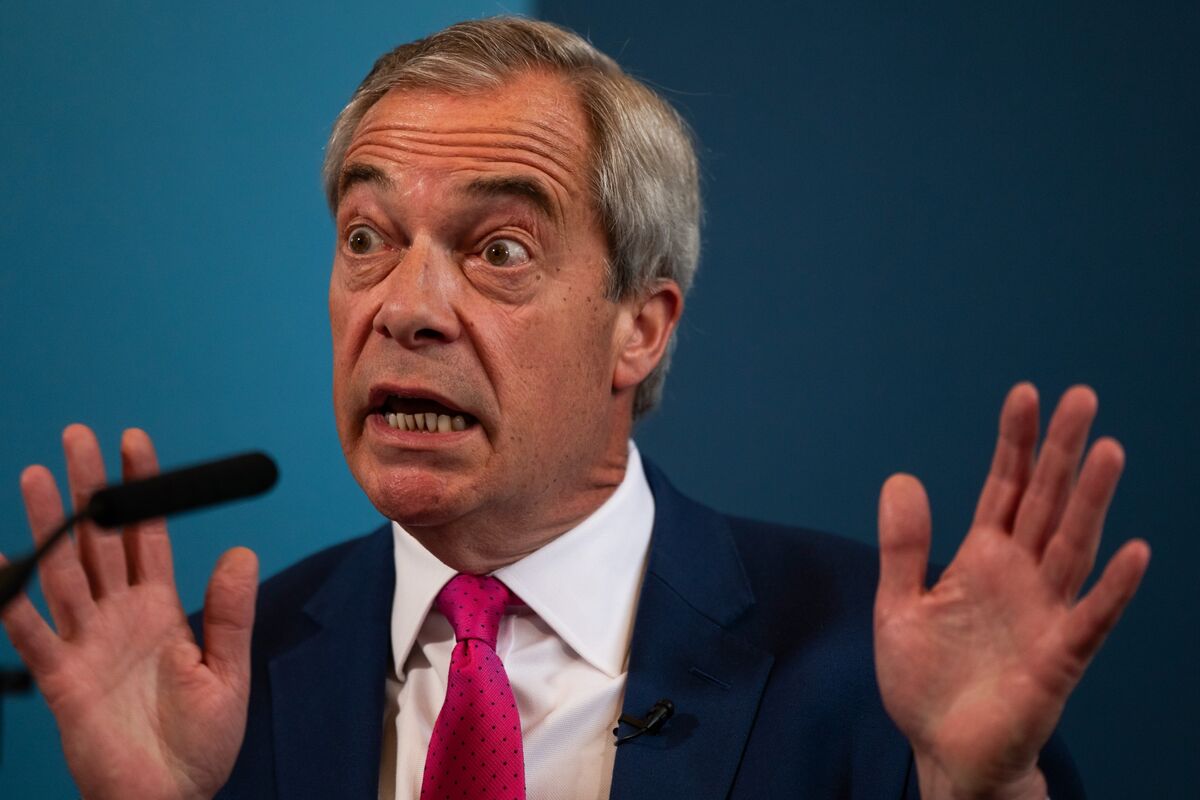
Labour has asked the UK Financial Conduct Authority to investigate whether Nigel Farage’s crypto and stablecoin lobbying may have amounted to an inducement to invest, and whether he properly disclosed any financial interests. The letter raises potential consumer protection and market integrity concerns, but it is only a request for review rather than an enforcement action. The news is relevant to UK crypto regulation and domestic politics, but is unlikely to have an immediate broad market impact.
This is less a crypto-specific shock than a marginal increase in regulatory-political overhang around UK retail-facing digital-asset messaging. The near-term beneficiary is the FCA itself: even a low-probability inquiry gives the regulator cover to tighten standards on disclosures, endorsements, and “financial promotion” language, which raises compliance costs for smaller promoters more than for established venues. The second-order effect is to widen the moat for large, licensed platforms and payment firms that can absorb legal review, while squeezing the economics of influencer-driven distribution and smaller UK crypto brokers.
For markets, the more important read-through is that the UK remains a relatively weak jurisdiction for politically salient crypto adoption compared with the U.S. and parts of Asia. That likely delays any incremental retail inflow thesis tied to UK election messaging by weeks to months, not years, but it matters because retail sentiment is reflexive: a probe can chill affiliate activity and reduce app downloads even if no enforcement follows. The bigger risk is precedent—if the FCA signals that informal advocacy can be treated as inducement, similar scrutiny could spread to stablecoin marketing, token listings, and paid endorsements across fintech media channels.
The downside case for crypto assets is modest in absolute price terms but meaningful in local basis terms: a regulatory cloud can compress UK-specific trading volumes and spread take rates before it moves global BTC/ETH direction. Counterintuitively, this may be mildly positive for regulated incumbents and banks exploring tokenized deposits or stablecoin infrastructure, because it shifts market share toward entities with explicit compliance frameworks. The catalyst window is short: headlines and regulator comments matter over days; any formal investigation or guidance would extend the effect over 1-3 months; a broad policy clarification could reset the debate over 6-12 months.
AI-powered research, real-time alerts, and portfolio analytics for institutional investors.
Request DemoOverall Sentiment
mildly negative
Sentiment Score
-0.15
