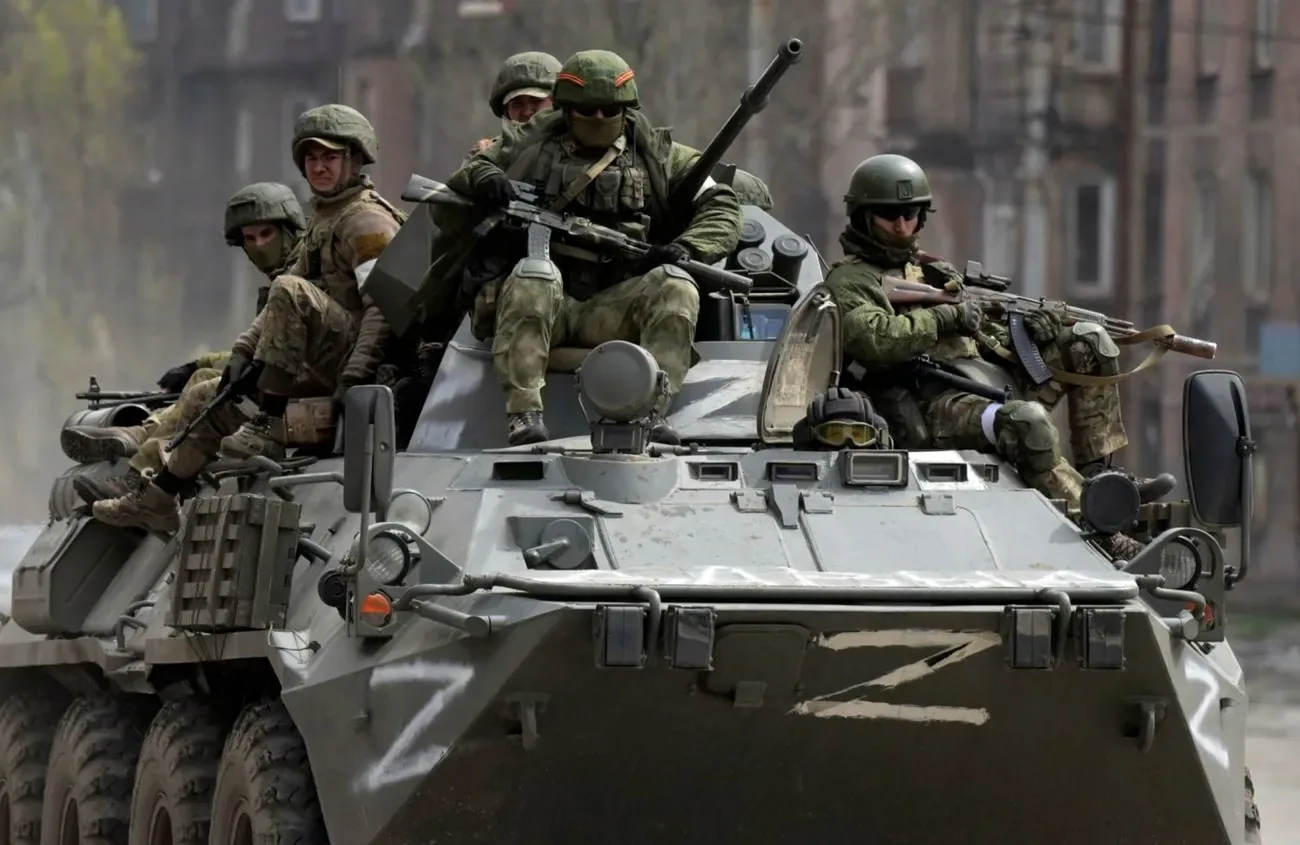
In April, Russian forces occupied 11.9% less Ukrainian territory than in March, even as assault activity increased 2.2%. The largest advances were in Donetsk, where 53 sq km were taken, followed by Sumy at 44 sq km; occupied territory in Dnipropetrovsk also fell from 105 sq km to 98 sq km. The update underscores ongoing war pressure but is largely tactical rather than a direct market-moving event.
The key signal is not slower territorial loss; it is worsening efficiency of offensive effort. When gains decelerate even as assault frequency rises, the marginal cost of progress rises sharply, which typically pushes campaigns toward higher ammunition burn, more drone attrition, and deeper strain on logistics rather than immediate territorial breakout. That pattern is usually favorable for defenders and for any Western support pipeline tied to artillery, air defense, counter-UAS, and trench/engineering systems.
For markets, the second-order effect is a longer-duration war premium rather than a sudden escalation shock. The slow grind implies that procurement cycles for NATO-aligned defense contractors should stay elevated for quarters, not weeks, while the odds of a near-term ceasefire remain low unless there is a meaningful external manpower, airpower, or munitions inflection. Energy and freight are less directly impacted than in a broad regional escalation scenario, but localized infrastructure damage keeps tail risk alive for Black Sea logistics, grain flows, and EM sovereign risk premia in the region.
The contrarian point is that headline territory figures can overstate strategic progress or failure. If offensive efficiency is deteriorating, Russia may respond by shifting to standoff strikes, mobilization, or targeting infrastructure to change the cost curve, which would be more bearish for Ukrainian utilities and logistics than for frontline assets. The setup argues for owning duration in defense names rather than chasing event-driven spikes on battlefield headlines.
The best risk/reward is in companies with backlog visibility and limited dependence on a single conflict headline. If the conflict grinds on for another 6-12 months, defense budgets and replenishment orders likely outlast any tactical lull, but if a negotiations headline appears, the first place to trim is the most Ukraine-specific exposure, not the broader NATO modernization theme.
AI-powered research, real-time alerts, and portfolio analytics for institutional investors.
Request DemoOverall Sentiment
moderately negative
Sentiment Score
-0.35
