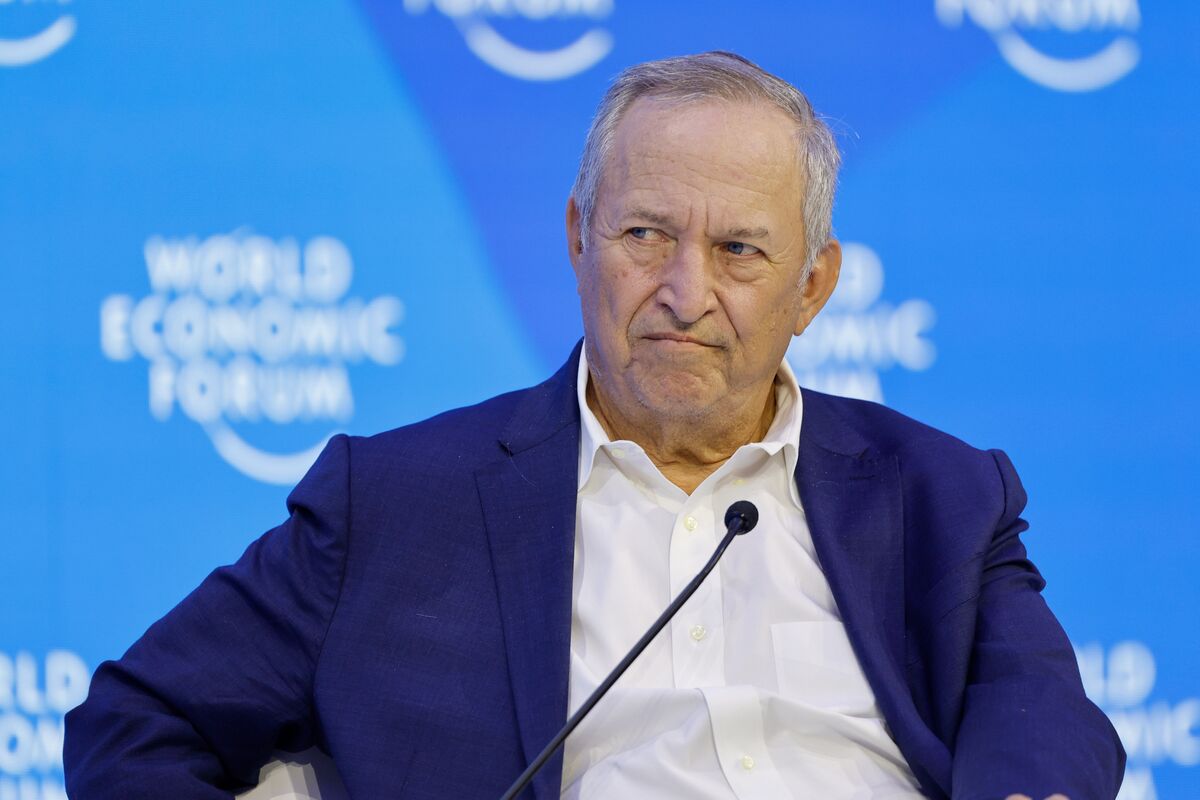
Former Treasury Secretary Lawrence Summers warned that President Trump's preferred interest rate of approximately 1% would ignite a "massive inflation psychology," leading to a surge in inflation expectations and higher long-term borrowing costs. Summers emphasized that no mainstream economist supports such low rates in the current environment, despite the potential for a temporary economic boom, due to the significant risk of fostering inflationary pressures.
Former Treasury Secretary Lawrence Summers has articulated a significant macroeconomic risk tied to potential political influence on Federal Reserve policy, specifically citing former President Trump's preference for interest rates around 1%. Summers warns that such an aggressive and unorthodox rate cut, which he notes lacks support from mainstream economists, would likely trigger a "massive inflation psychology." This shift in expectations could paradoxically drive up long-term borrowing costs, negating the intended stimulus. While a "temporary boom" might occur, the primary consequence would be the entrenchment of inflationary pressures, creating instability. The commentary, marked by a strongly negative sentiment score (-0.75) and high market impact (0.7), underscores the market's sensitivity to deviations from established monetary policy, linking the upcoming election cycle directly to future inflation and interest rate volatility.
AI-powered research, real-time alerts, and portfolio analytics for institutional investors.
Request DemoOverall Sentiment
strongly negative
Sentiment Score
-0.75
