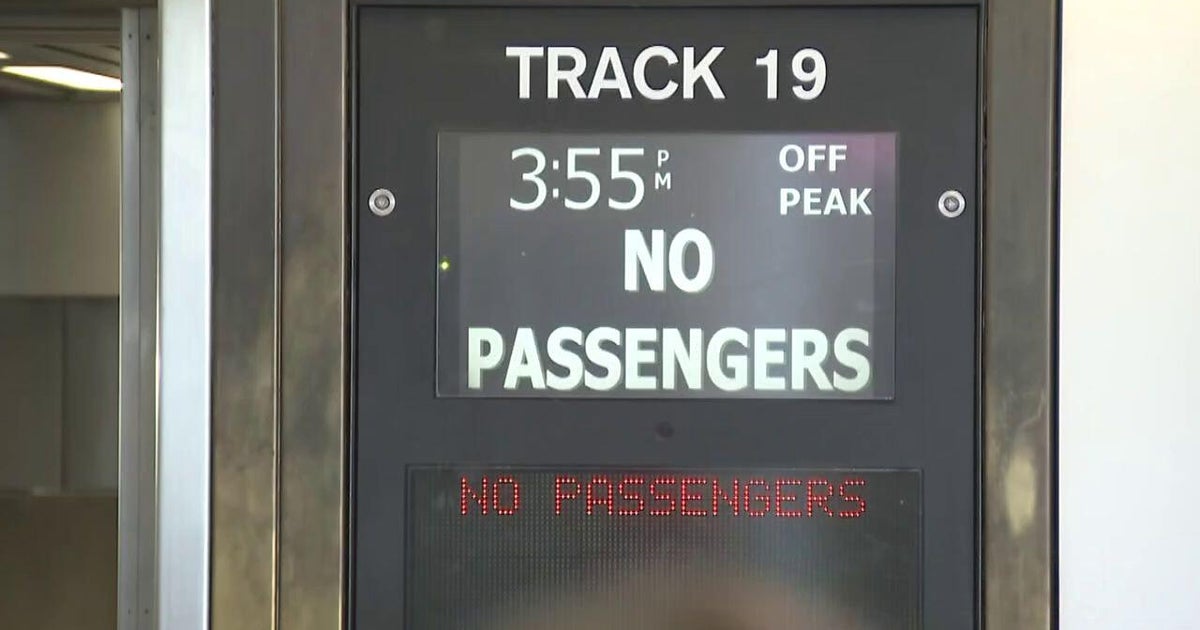
The LIRR strike has halted service for roughly 250,000 weekday riders, disrupting Monday commuting and weekend travel across Long Island and into New York City. The MTA has activated contingency shuttle buses and is offering prorated ticket refunds, but negotiations remain stalled over pay and healthcare premiums with no new talks scheduled. The dispute is also drawing political scrutiny, with Gov. Hochul urging a deal and Nassau County Executive Blakeman blaming MTA leadership and calling for congestion pricing to be suspended.
This is less about the rail operator’s direct revenue hit and more about a short, sharp repricing of urban access friction into a whole set of adjacent cash flows. The first-order losers are transit-adjacent discretionary spend businesses in Manhattan that depend on Long Island weekend and weekday foot traffic, but the bigger second-order effect is substitution toward cars, rideshare, and park-and-ride behavior that can persist even after a deal is reached if commuters lose confidence in reliability. That creates a temporary but meaningful lift for toll road operators, airports, rideshare volume, and outer-borough retail nodes near alternate transit connections.
The market should focus on duration. A strike lasting a few days mainly creates a demand shuffle; a strike that runs into the next payroll cycle starts to hit monthly pass renewals, restaurant traffic, and office attendance assumptions for employers in finance, media, and healthcare. If the work stoppage extends beyond a week, the economic damage becomes non-linear because commuting habits are sticky: even a partial mode shift can bleed riders back to cars for months, which matters more for the transit ecosystem than for the rail operator’s near-term budget.
The political overlay is the real catalyst. This has all the ingredients of a headline-driven resolution that can reverse quickly, but if it becomes a bargaining chip in the election cycle, the odds rise of a messy settlement that preserves higher labor costs and pressures the broader MTA funding stack. That would be mildly negative for NYC mobility economics but potentially positive for assets tied to congestion pricing or alternative-access infrastructure if policymakers use the disruption to justify more aggressive funding measures.
Consensus is likely overestimating the permanence of the shock to the rail operator and underestimating the near-term benefit to substitutes. The cleaner trade is to own the beneficiaries of incremental auto/ride demand and avoid assuming the commuter rail pain is permanent unless the strike drags long enough to alter employer behavior and monthly commuting patterns.
AI-powered research, real-time alerts, and portfolio analytics for institutional investors.
Request DemoOverall Sentiment
strongly negative
Sentiment Score
-0.55
Ticker Sentiment
