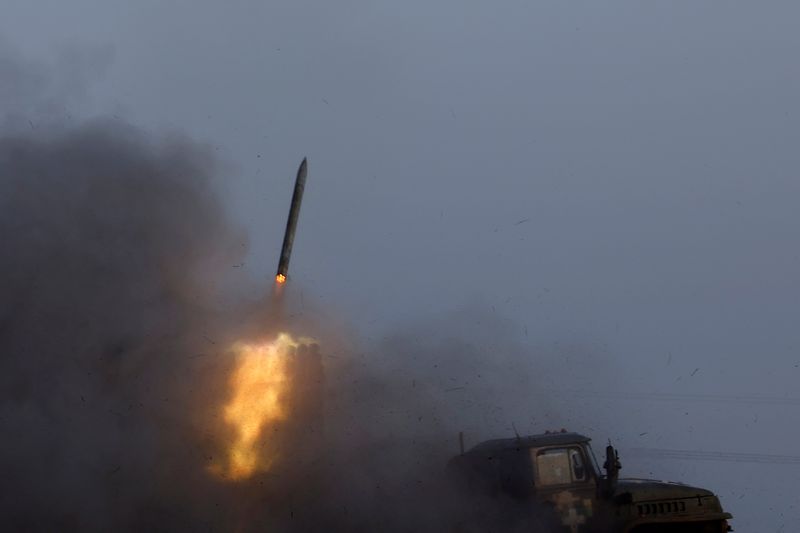
A Ukrainian drone attack killed 1 person and sparked a fire at a sea terminal in Russia's Temryuk port, while a separate strike triggered an industrial fire in Volgograd region. The attacks add to escalating pressure on Russian energy, fuel and logistics infrastructure, including an earlier fire at the Afipsky oil refinery this week. The broader conflict remains highly disruptive, though the market impact is more likely to be sector- and region-specific than immediately market-wide.
The market implication is less about the headline fire and more about the ratchet higher in the probability of a sustained Russian logistics bottleneck. Repeated hits on export terminals, refineries, and fuel nodes force Moscow to allocate scarce air-defense and repair capacity across a wider target set, which raises the odds of rolling outages rather than a single discrete supply shock. That matters because the market tends to underprice second-order disruptions: diesel tightness, inland freight delays, and localized rail/port congestion can persist for weeks even if global crude benchmarks barely move.
The cleanest beneficiaries are Western energy producers and defense/logistics infrastructure names, but the trade is not symmetric. Upstream names with exposure to refined-product cracks, not just Brent, should outperform if Russian runs are forced lower while global crude stays range-bound; refiners outside Russia can capture margin from higher product spreads. On the loser side, European industrials and transport-heavy businesses are the most vulnerable if diesel and bunker prices reprice faster than headline oil, because freight and input-cost pressure typically shows up in margins before consensus revisions.
The key tail risk is escalation into export infrastructure that is too large for Russia to fully reroute, which would tighten physical product markets over 1-3 months rather than days. The contrarian view is that the market may be overestimating durability of the supply shock: Russia has shown an ability to reroute barrels and restore capacity after prior strikes, so the biggest alpha may come from owning volatility rather than outright directional crude. If peace talks stall and attacks continue, the probability distribution widens, but if there is even a modest de-escalation, the risk premium can deflate quickly.
AI-powered research, real-time alerts, and portfolio analytics for institutional investors.
Request DemoOverall Sentiment
moderately negative
Sentiment Score
-0.45
