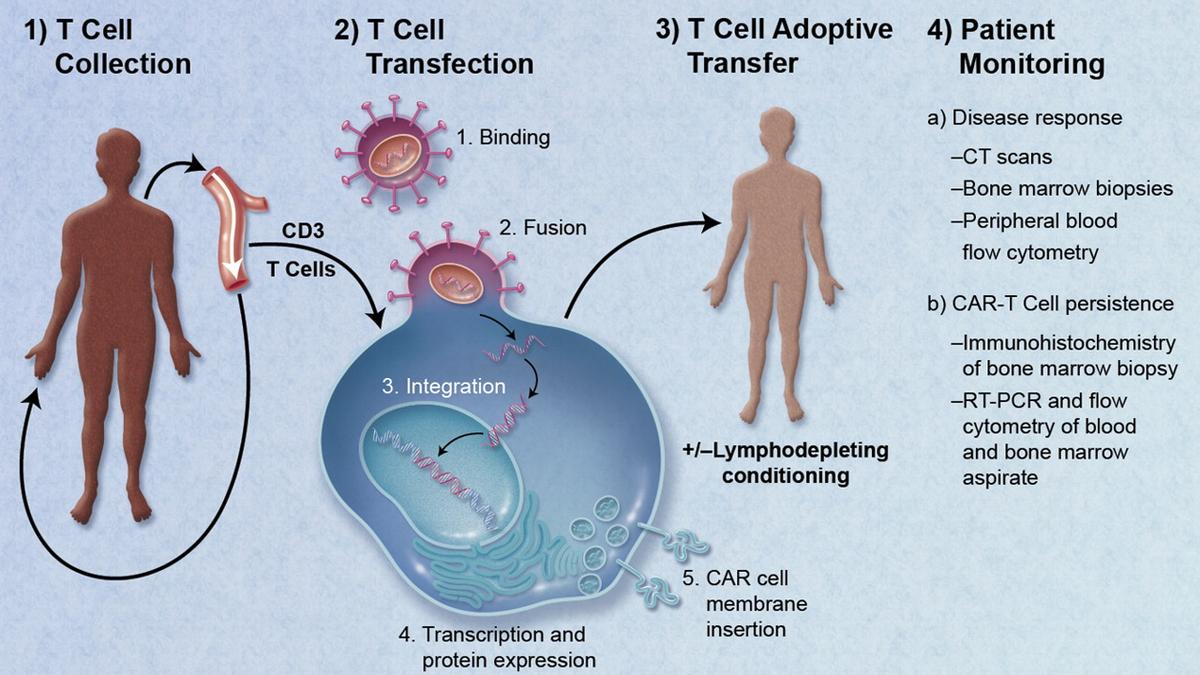
Early studies suggest CAR-T therapy may induce long-term remission in severe autoimmune diseases such as lupus, systemic sclerosis, inflammatory myositis and multiple sclerosis, potentially reducing dependence on chronic immunosuppressants. Researchers report remission lasting more than a year in some patients, with Phase 2 trials already completed in SLE and inflammatory myositis. The main near-term hurdles remain safety, durability and high cost, so commercial impact is still limited.
This is not yet a revenue event for public biopharma, but it is an important narrative inflection for the cell-therapy complex. If autoimmune indications move from academic proof-of-concept to reimbursable treatment, the addressable market is potentially larger and less price-sensitive than oncology because chronic immunosuppression is a long-duration spend for payers; that creates a pathway for ultra-high upfront prices if durable remission meaningfully reduces lifetime cost. The first beneficiaries are likely to be the manufacturers and service providers with existing CAR-T manufacturing know-how, whereas traditional immunology franchises face a longer-term substitution risk if “reset-and-remission” becomes clinically validated.
The second-order effect is on the broader autoimmune drug stack: steroids, biologics, and JAK-class therapies are not immediately displaced, but their retention curves could compress in refractory disease as clinicians reserve them for bridging or maintenance after cell therapy. That matters because autoimmune patients are often younger than oncology patients, so safety and durability thresholds are much stricter; any signal of neurotoxicity, relapse after B-cell reconstitution, or requirement for repeat infusions would sharply slow adoption. The key catalyst window is 12-24 months, when larger datasets can tell us whether remission durability is measured in years or just a temporary treatment holiday.
The contrarian view is that the market may be overestimating near-term commercialization while underestimating manufacturing and care-delivery bottlenecks. Autologous CAR-T in autoimmunity is operationally awkward: it requires specialized centers, preconditioning, leukapheresis logistics, and intensive monitoring, which cap throughput even before reimbursement questions are solved. If off-the-shelf allogeneic products emerge, the real winner may be platform companies with manufacturing IP and vector/CDMO exposure rather than today’s branded immunology leaders; until then, the trade is more about optionality on a multi-year platform shift than a near-term P&L catalyst.
AI-powered research, real-time alerts, and portfolio analytics for institutional investors.
Request DemoOverall Sentiment
mildly positive
Sentiment Score
0.35
