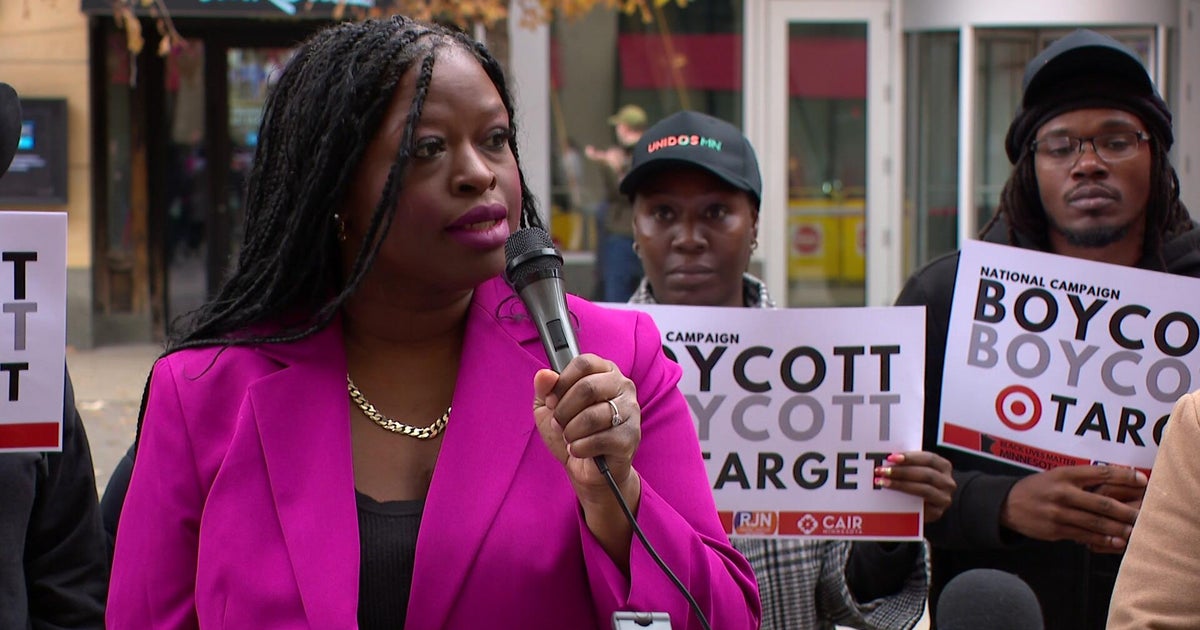
Target reported third-quarter store sales declined 2.7%, marking its third consecutive quarterly sales drop and said it expects weaker sales through year-end; company stock is down nearly 40% year-to-date. The sales slump has coincided with a renewed consumer boycott led by community activists upset over changes to Target's DEI programs, even as Target reiterates commitments including a $2 billion pledge to Black-owned businesses (with $100 million invested so far) and plans for an additional $1 billion in new stores and remodels plus targeted price cuts. Management cited consumers "stretching budgets," underscoring margin and traffic pressure heading into the critical holiday period.
Market structure: The weakness concentrates winners among low‑cost, high‑traffic grocers and dollar channels (WMT, COST, DG) that benefit if mid‑tier traffic re‑allocates; luxury and specialty retailers are neutral. Pricing power for Target is under pressure: targeted price cuts plus remodel CAPEX (~$1bn incremental) point to margin compression of at least 100–200bps if comps don’t recover in holiday season. Cross‑asset: expect near‑term equity volatility up for TGT (implied vol +20–40% vs history), modest widening in short‑dated retail HY spreads, minimal FX move, and lower discretionary commodity demand (cotton/furnishings) if trends persist.
Risk assessment: Tail risks include sustained nationalized boycott or coordinated vendor pullback causing inventory/logistics stress, and a rating downgrade if margins sink >200bps for two quarters. Immediate (days) risks: headline volatility around Black Friday promos; short‑term (weeks/months): holiday comp misses and guide cuts; long‑term (quarters/years): secular share loss to discounters and reputational damage that impairs urban store performance. Hidden dependencies: store remodel cadence and vendor financing absorb free cash flow, magnifying leverage to sales recovery by 12–18 months. Key catalysts: November sales cadence, Dec 4 investor updates, and any activist filings in next 60 days.
Trade implications: Tactical short exposure to TGT via 3–4% notional short or put spreads ahead of Black Friday is warranted; pair with long WMT/COST to capture share shift. Options: buy a 3‑month TGT put spread 25/35% OTM to cap premium, or sell 1–2 month covered calls on WMT after establishing a hedge. Rotate 2–4% portfolio away from XLY into XLP/consumer staples and discount retail over next 30–90 days.
Contrarian angles: The market may overprice reputational risk vs fundamental recovery — if holiday traffic holds within -1% to +1% range, upside re‑rating of 10–20% is possible. Historical parallels (reputational boycotts that fizzled) suggest visibility into weekly sales trends is decisive; rapid positive prints could force a short squeeze given elevated YTD short interest. Watch for management to pivot to aggressive inventory markdowns; that could stabilize comps but permanently depress gross margin, making any long only after signs of margin stabilization.
AI-powered research, real-time alerts, and portfolio analytics for institutional investors.
Request DemoOverall Sentiment
moderately negative
Sentiment Score
-0.60
Ticker Sentiment
