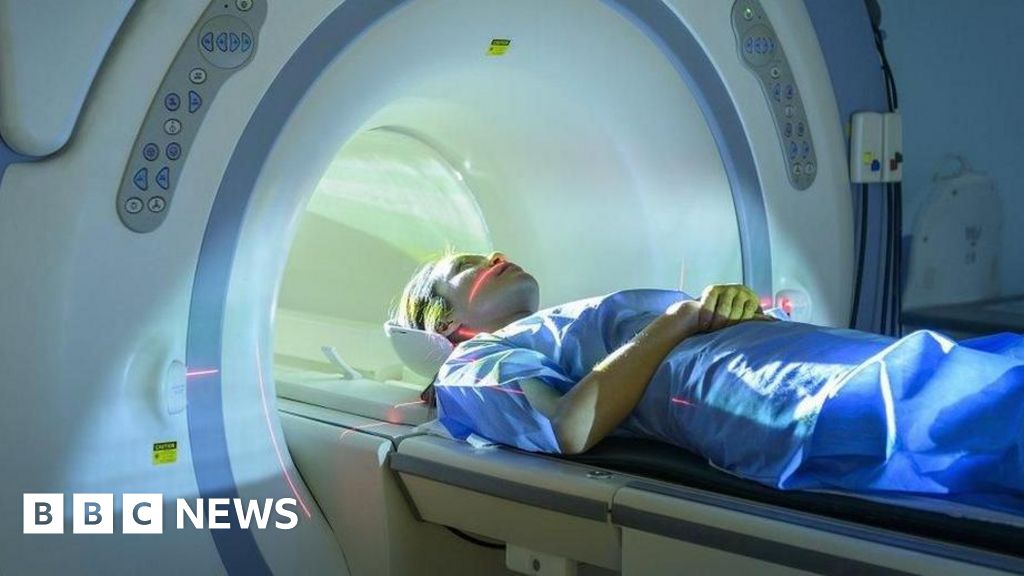
16% of people in England used private healthcare in the past year, up from 9% two years ago, with 4 in 10 citing long NHS waits and nearly 40% waiting longer than the 18-week NHS target. Private providers performed ~950,000 operations last year and >1mn scans/tests annually as patients pay to speed access, with use concentrated among higher earners (35% for >£80k vs 10% for <£20k). The trend is increasing GP workload and creating a two-tier system, prompting calls for urgent government action even as the Department of Health cites recent improvements.
The shift of discretionary demand into the private layer is creating two durable micro-markets: high-margin elective/diagnostic episodic care (priced-out/fast-track) and commoditised follow-on chronic management that gets dumped back onto primary care. That bifurcation favors asset-light diagnostic chains and platform players who can scale throughput quickly (high utilisation -> fixed-cost leverage) while penalising asset-heavy hospitals when wage inflation for scarce clinicians compresses per-case margins.
Second-order supply effects are already emerging: faster private imaging drives near-term capital cycle upside for MRI/CT OEMs and independent imaging centers, and it simultaneously raises claims for interoperability/remittance solutions as GPs absorb external reports—creating economies for referral-management software and revenue-cycle firms. Conversely, reliance on discretionary out-of-pocket and employer-sponsored coverage makes private-volume growth cyclically sensitive; a macro shock or employer benefit retrenchment can reverse flows within 6-18 months.
Policy and political catalysts create asymmetric risk. A targeted government push to hit NHS wait-time targets (operational funding, staff hires or mandated capacity buys) would remove the private-sector tariff premium and compress multiples for private operators within a 3–12 month window. By contrast, inertia or constrained public capital will sustain elevated private pricing power and justify re-rating for diagnostics and fast-pay providers over 12–24 months.
AI-powered research, real-time alerts, and portfolio analytics for institutional investors.
Request DemoOverall Sentiment
mildly negative
Sentiment Score
-0.30
