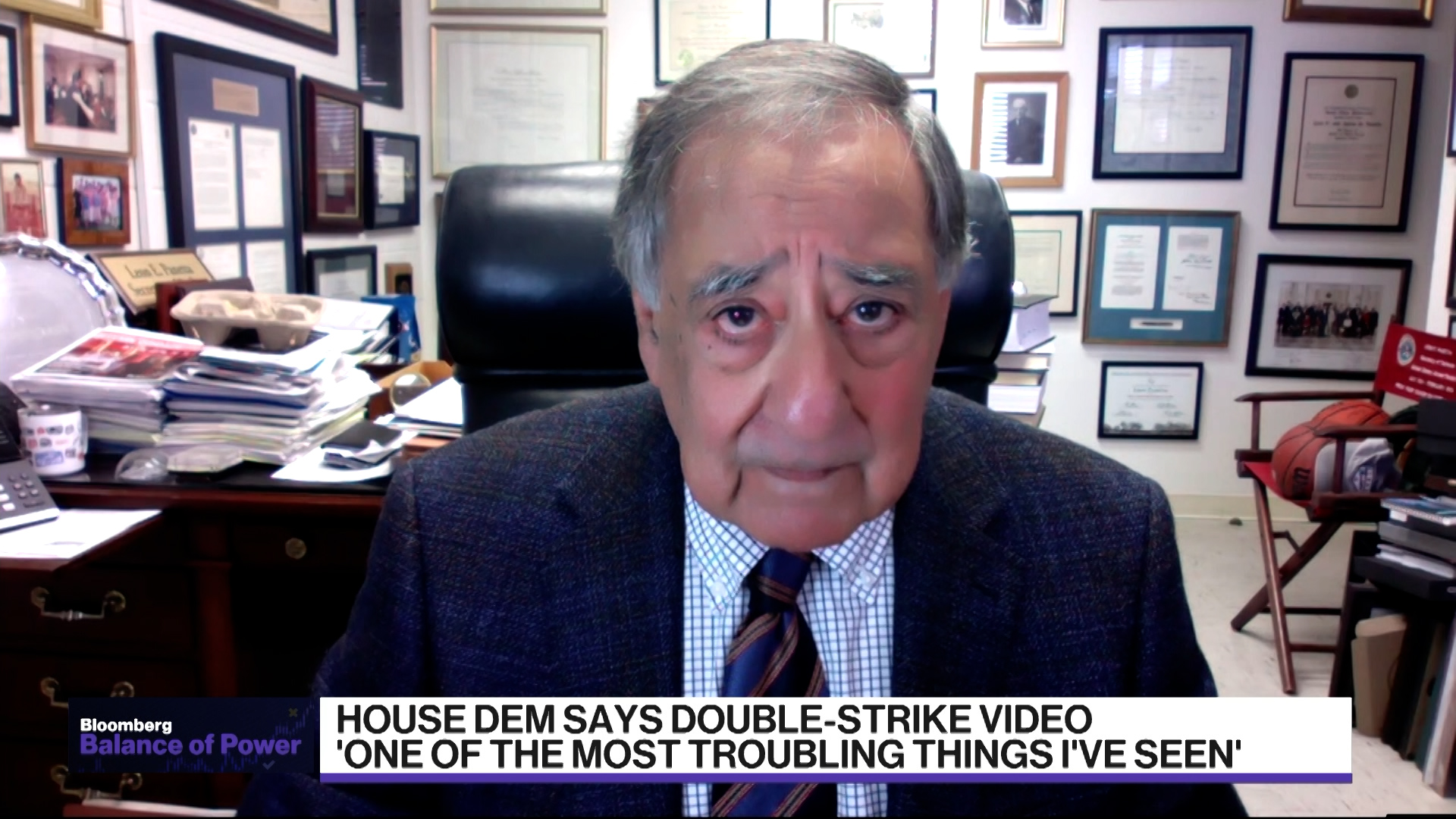
Allegations have emerged that contingency plans approved by Secretary of Defense Pete Hegseth may have authorized lethal action against survivors after a September 2 boat strike, prompting calls for full congressional Armed Services investigations to review classified materials and strike footage. Reporting also suggests Hegseth forced a senior SOUTHCOM commander out after legal concerns were raised, raising questions about chain-of-command, adherence to the law of armed conflict, and potential political fallout for Pentagon leadership — risks that primarily represent reputational and oversight exposure rather than immediate market-moving financial effects.
Market structure: Short-term winners are large U.S. defense primes (LMT, NOC, RTX, GD) and tactical ISR/maritime-solutions suppliers because congressional scrutiny raises the bar for accountability but increases demand for deniable surveillance, resilient comms, and non-lethal rescue tech; losers are smaller DOD-dependent contractors and LATAM-exposed equities—expect ~5–15% relative outperformance by primes vs small caps over 1–3 months. Competitive dynamics favor primes’ pricing power (larger balance sheets absorb compliance/legal friction) and push subcontracting margins lower; supply/demand will tighten for maritime ISR and munitions spare parts if operations accelerate, supporting component suppliers for 6–12 months. Cross-asset: expect a risk-off knee: short-term USTs rally (-5–15bps on 10yr) and USD +1–2% vs COP/VEF, oil could spike $2–6/bbl on escalation risk, and IV in defense names to rise 20–40% immediately.
Risk assessment: Tail risks include regional escalation or sanctions on Venezuela that trigger a 30–90 day oil shock or broader shipping disruption (>$5/bbl, EM FX -5–15%); a DOJ/class-action probe into rules of engagement could impose fines and contract suspensions for certain contractors (6–18 months). Time horizons: market moves in days; hearings/footage release in 30–90 days shaping policy; FY budget effects manifest in 6–18 months. Hidden dependencies: program award timing and classified contingency plans drive revenue recognition timing and stock volatility; catalysts—tape release, HASC/Senate Armed Services hearings, and admin policy memos—will be inflection points.
Trade implications: Direct plays: establish 2–3% long positions in LMT and NOC (equal weight) over 3–9 months; hedge tail legal risk with 1–2% put protection (3–6 month). Pair trade: long ITA (A&D ETF) 2% vs short ILF (iShares Latin America) 1.5% to capture regional risk-on/risk-off divergence over 1–3 months. Options: buy 3-month call spreads on LMT/NOC sized to 1% portfolio risk if IV spikes >25%; buy 1–3% allocation to GLD/GDX as geopolitical insurance. Entry: scale in on any 5–12% pullback; exit/trim on definitive exculpatory footage or when IV contracts 40% from peak.
AI-powered research, real-time alerts, and portfolio analytics for institutional investors.
Request DemoOverall Sentiment
moderately negative
Sentiment Score
-0.30
