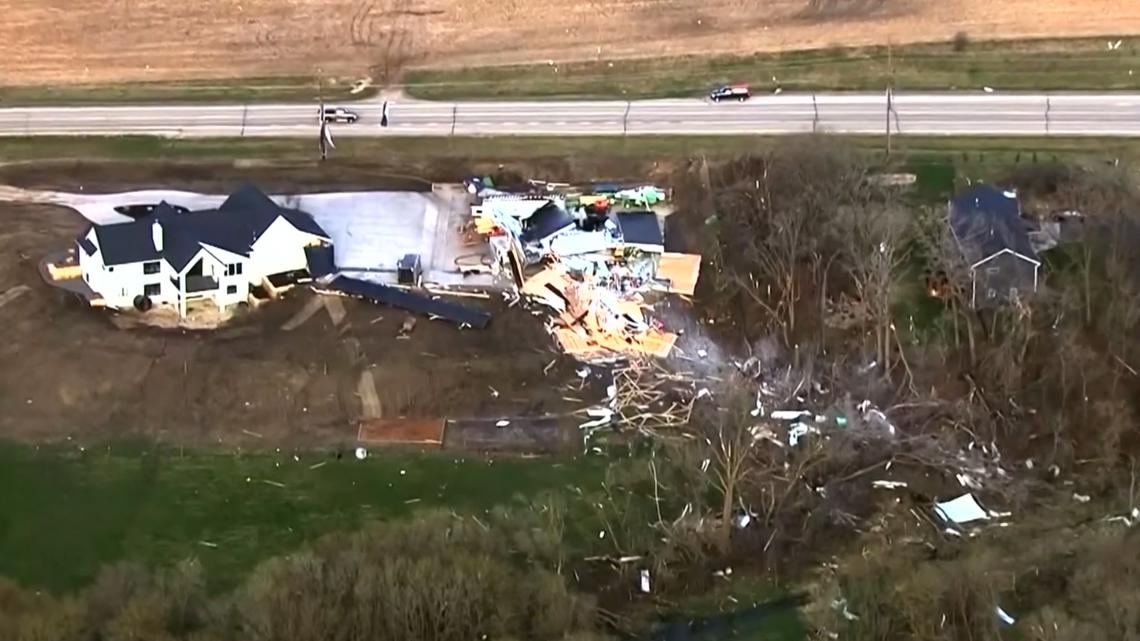
At least eight tornadoes were confirmed across southeast Minnesota and western Wisconsin, including one EF3 in Wisconsin with peak winds of 140 mph and multiple EF2 twisters in Minnesota. The storms caused structural damage, leveled trees, and destroyed farm outbuildings, though no fatalities or injuries were reported. The article highlights damage to homes and rural property, with additional surveys likely to raise the tornado count.
The immediate market read is less about headline damage and more about the sequencing of cash flows: insurers and reinsurers face an initial reserve shock now, but the larger P&L impact will show up over the next 1-3 quarters as secondary perils, claims inflation, and reinsurance attachment points are repriced. Because the footprint is rural and dispersed, this is the kind of event that often looks manageable at first yet turns into a margin problem for regional carriers with concentrated Midwest books and lower catastrophe diversification.
For housing and building materials, the near-term impact is a local replacement cycle rather than a broad demand boost. The constraining factor is labor, permitting, and equipment availability, so the winners are not pure-volume names but firms with repair/remediation exposure, strong distributor relationships, and pricing power in roofing, windows, and HVAC replacement. Defense/infrastructure is a quieter second-order beneficiary: municipalities and utilities often accelerate hardening spend after visible wind events, which supports storm-resilience products and grid repair vendors over a 6-18 month horizon.
The contrarian view is that investors may overestimate the macro read-through: one weather system does not meaningfully move national housing starts or aggregate industrial demand. The more actionable angle is dispersion—names with Midwest concentration, weak catastrophe reinsurance, or exposure to agricultural outbuildings and low-value structures can underperform even if the broader market ignores the event. Tail risk is a larger follow-on storm season: if this becomes part of a multi-event pattern, loss estimates can rise quickly and force earnings guidance cuts.
Catalyst timing matters. In the next few days, expect incremental damage assessments and potentially a higher tornado count, which could widen the reserve estimate and pressure local insurers and specialty reinsurers. Over the next months, the main reversal would be benign weather and no additional severe events; absent that, pricing for property-cat risk could remain sticky into renewals.
AI-powered research, real-time alerts, and portfolio analytics for institutional investors.
Request DemoOverall Sentiment
moderately negative
Sentiment Score
-0.45
