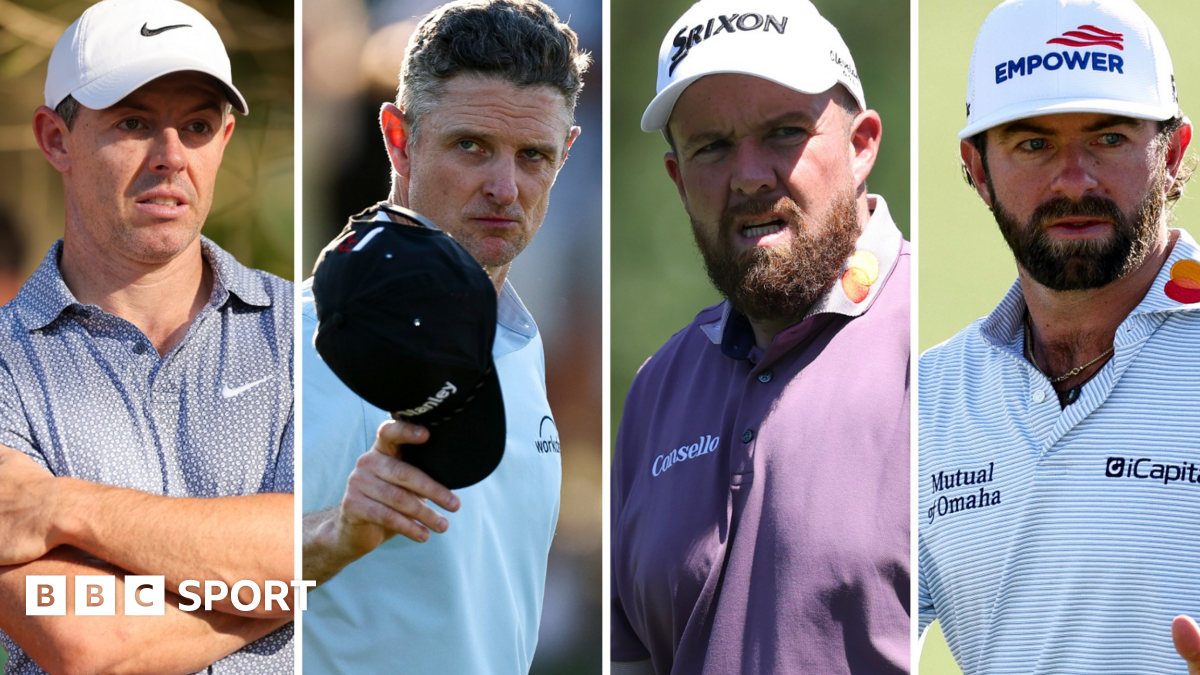
Rory McIlroy and Cameron Young are tied for the lead at 11 under after three rounds at the Masters, with Sam Burns one shot back and Scottie Scheffler four back following a 65. The article frames a wide-open final-round shootout featuring several major contenders, including Justin Rose, Shane Lowry and Jason Day, but this is sporting event coverage rather than market-moving financial news.
This is a live-event monetization setup more than a pure sports result. The more the leaderboard compresses into a recognizable, emotionally legible final round, the higher the probability of a ratings spike, and that tends to accrue to the rights-holder and adjacent media inventory rather than the individual broadcaster alone. The real upside is in incremental ad load, clipped highlights, social distribution, and same-day re-engagement from casual viewers who only tune in when multiple stars are in contention.
The second-order competitive effect is on the broader golf ecosystem: a dramatic finish with several elite names in play is a recruiting event for the sport, reinforcing premium sponsorship demand, equipment interest, and travel-leisure spend around high-end golf experiences over the next 1-2 quarters. The risk is that a dominant solo leader would have flattened the drama; instead, the field structure creates optionality for every major media outlet carrying post-round analysis and for brands seeking association with prestige rather than a single athlete.
From a positioning standpoint, the market likely underprices how much final-round drama matters relative to the weekend’s earlier stumble: the key variable is not who wins but whether the event delivers a social-media-worthy ending. That makes the main catalyst time-boxed to the next 12-24 hours, while any broader consumer or sponsorship read-through should be treated as a 1-3 month follow-through trade, not an immediate fundamental shift. The contrarian angle is that the setup may be better for media monetization than for golf participation or equipment sales, which usually need repeated narrative reinforcement rather than one marquee Sunday.
AI-powered research, real-time alerts, and portfolio analytics for institutional investors.
Request DemoOverall Sentiment
neutral
Sentiment Score
0.12
