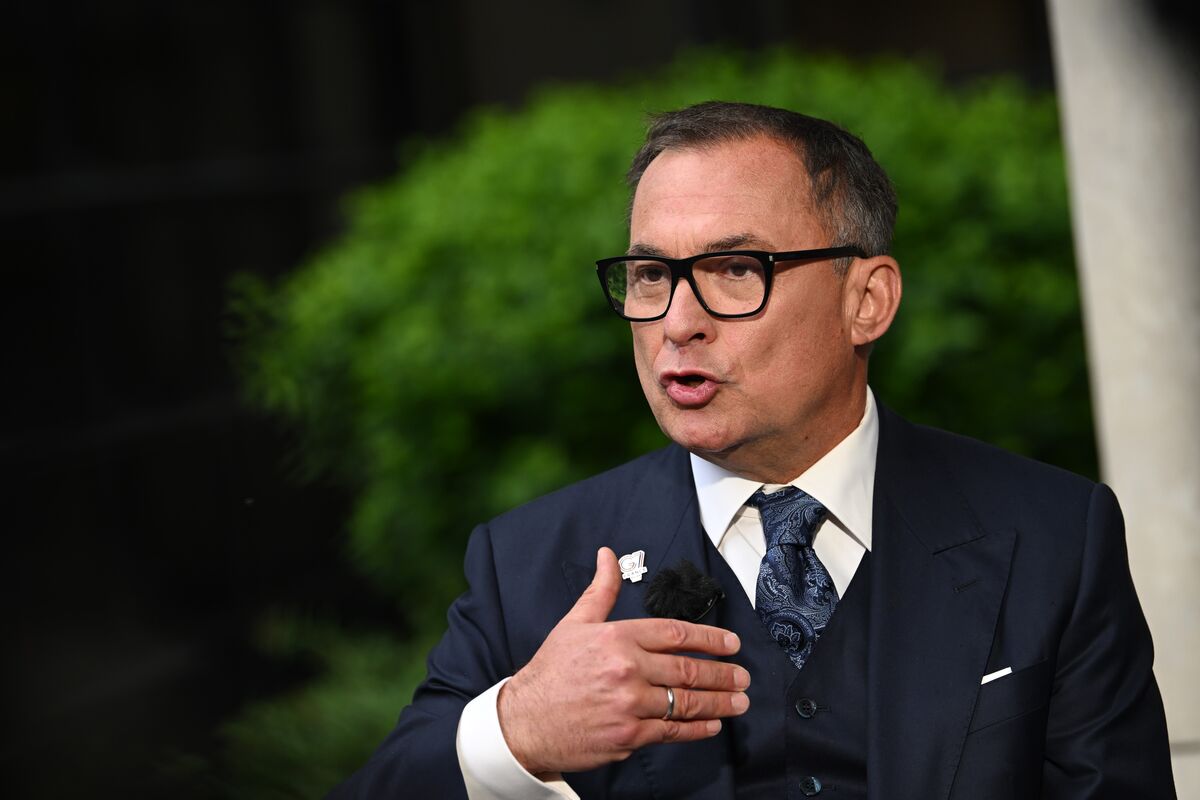
Bundesbank President Joachim Nagel said the central bank would be well positioned to oversee Germany’s planned state-backed pension fund if asked, citing existing pension-management experience across German states. The comments suggest low operational risk in the oversight framework, but they do not announce any new funding, timetable, or policy change.
This is more a credibility signal than an investable flow event. If the Bundesbank is brought in, the market should read that as the government trying to de-risk governance and execution, which raises the odds the pension vehicle actually launches; but it does not yet tell us anything about size, funding source, or asset allocation. Without those details, any immediate impact on German duration, bank funding, or equity demand is mostly optionality, not cash flow.
The clearest second-order effect would be on fixed income if the mandate is liability-matching: a new quasi-sovereign buyer would be structurally supportive for Bunds and high-grade euro credit over 6-18 months, while being largely neutral to banks unless deposits are explicitly diverted. If the fund instead becomes a politically constrained domestic allocator, it could create a modest tailwind for DAX exposure and passive German equity products, but that is a later-stage outcome and probably not the base case.
The contrarian view is that the headline may overstate the economic significance. Bundesbank management improves optics, but the real driver is the statute: contribution rate, governance, and permitted asset mix. Until those are disclosed, the right stance is to treat this as a watch item; the thesis is falsified if the vehicle is small, fully earmarked to Bunds, or delayed by legislative friction.
AI-powered research, real-time alerts, and portfolio analytics for institutional investors.
Request DemoOverall Sentiment
mildly positive
Sentiment Score
0.12
Ticker Sentiment
