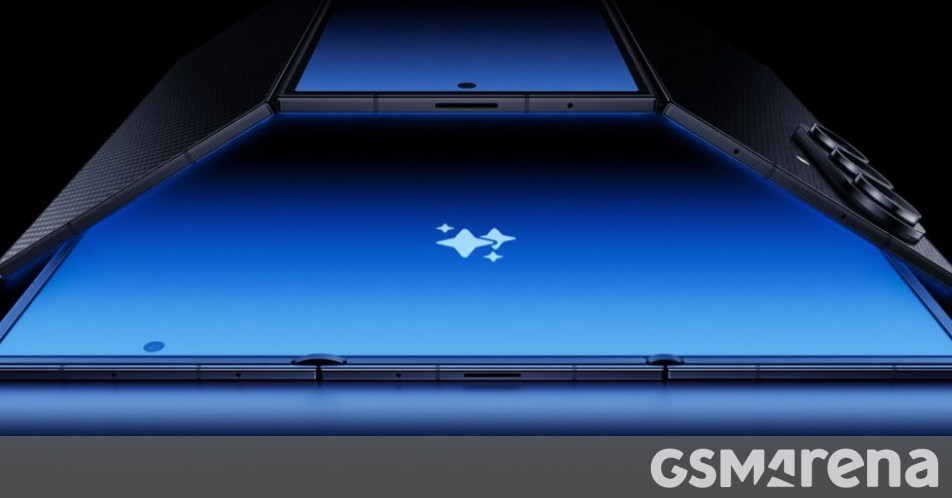
Samsung's limited-run Galaxy Z TriFold has now been completely sold out and effectively discontinued in both Korea and the US, with the last US restock occurring on April 10. The company is steering customers toward the Galaxy Z Fold7 and Galaxy S26 Ultra instead, while rumors point to a possible TriFold 2 in 2027. The update is primarily a product-life-cycle note and is unlikely to have meaningful market impact.
The immediate loser is not just the niche foldable category, but Samsung’s broader attempt to create a premium “halo” that justifies higher ASPs across its mobile line. A failed or short-lived flagship experiment tends to pull forward skepticism on willingness to pay for future form-factor risk, which matters more for margin mix than units. For Apple, the interesting second-order effect is not competitive pressure from this device itself, but the signal that consumers still have not been trained to adopt experimental hardware at scale, preserving the status quo premium-share structure in smartphones.
The bigger catalyst is that limited-run innovation can still function as a marketing funnel: Samsung can harvest attention without the inventory risk of a full launch, then redirect demand into mainstream premium devices. That is mildly supportive for the high-end Android ecosystem, but it also suggests supply-chain partners tied to exotic hinge/display components will see volatile order patterns and weaker visibility. Any supplier exposure here is likely to be cyclical and event-driven, not durable, unless a true second generation reintroduces volume.
For Apple, the article is slightly supportive on a relative basis because it reinforces the durability/utility moat of conventional slab phones. The contrarian view is that the market may be underestimating how quickly rollable or trifold concepts could reappear once manufacturing yields improve; if that happens in 18-30 months, the present dismissal of foldables could look premature. For now, though, the setup favors incumbents with mature platforms and disciplined refresh cycles over hardware moonshots.
Key risk is that a credible next-gen foldable or rollable launch from Samsung, Honor, or a Chinese OEM within the next 12-24 months could reignite category interest and compress the moat narrative. The near-term reverse catalyst would be a high-profile durability or battery-safety issue in the mainstream premium segment, which would temporarily shift demand toward more conservative designs but would not change the structural winner if replacement cycles remain intact.
AI-powered research, real-time alerts, and portfolio analytics for institutional investors.
Request DemoOverall Sentiment
mildly negative
Sentiment Score
-0.15
Ticker Sentiment
