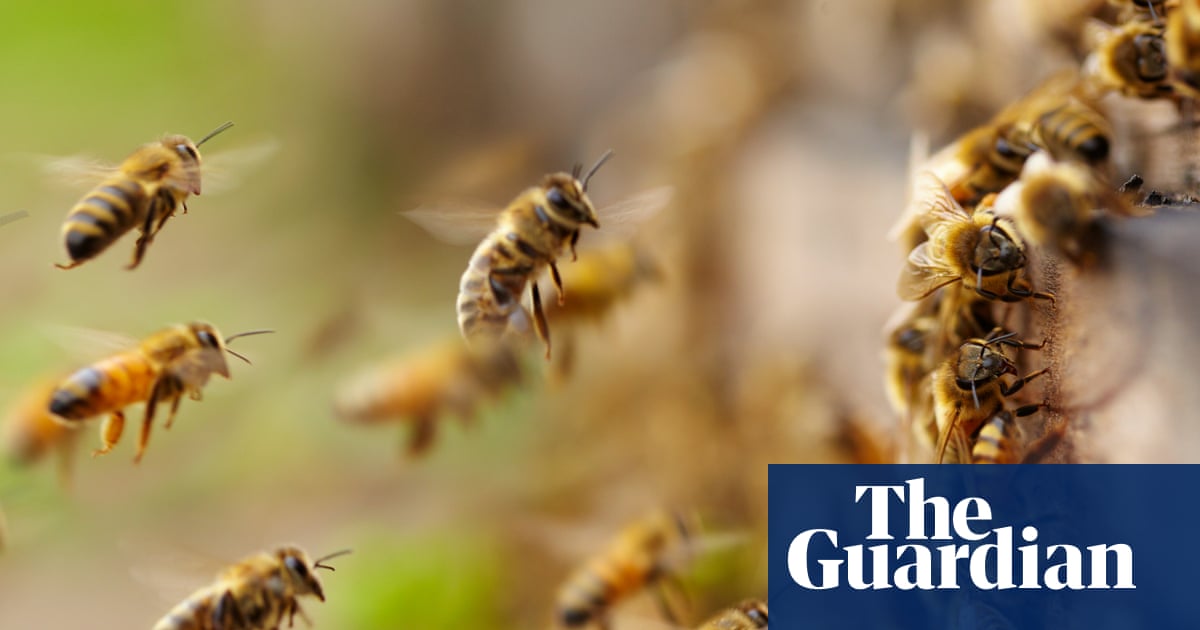
North America’s 2026 bee swarm season began 17 days earlier than last year, following record US heatwaves and a reported loss of more than 60% of US colonies last year. The article highlights climate-driven shifts in bloom timing and colony reproduction, alongside varroa mite pressure, which could worsen winter losses and force beekeepers to change management practices. The broader risk is to pollination-dependent agriculture, which contributes roughly $15bn in added crop value.
The marketable takeaway is not “bad for bees,” but a widening timing mismatch across the agricultural input stack. Earlier swarms and a longer brood cycle raise near-term service demand for migratory beekeepers, swarm-trapping, hive transport, and queen stock, while simultaneously worsening colony mortality odds later in the season if varroa pressure compounds. That creates a bifurcated setup: short-duration beneficiaries tied to remediation and logistics, versus longer-duration losers exposed to pollination shortfalls, replanting costs, and yield volatility.
The bigger second-order risk is pricing power for crop categories that are highly pollination-dependent but already operating on thin gross margins. Almonds are the cleanest transmission mechanism, but the broader exposure extends to berries, apples, and seed crops where a 1-year pollination shock can move contract terms, not just spot volumes. If the early season is a leading indicator of a structurally warmer winter pattern, the adjustment path is multi-year, meaning agricultural insurers, pesticide suppliers, and commercial hive managers may see persistent demand, while growers face a repeated margin reset rather than a one-off event.
The contrarian read is that the narrative may be over-indexing on climate and underweighting operational fixes. Varroa resistance and beekeeper execution can dominate outcomes over weather in the next 6-12 months; if chemical rotation, brood interruption, or hive splitting techniques improve, losses could normalize even with a warmer baseline. That argues for treating this as a volatility event in ag inputs and specialty crops rather than a clean secular short in all pollination-exposed agriculture.
Near-term catalyst risk is concentrated into the next two quarters: swarm activity now, then colony loss and pollination availability into peak bloom. If winter losses remain elevated, pricing power should show up first in forward acreage contracts and then in processor margins; if losses ease, the trade should fade quickly as the market has already priced the climate headline.
AI-powered research, real-time alerts, and portfolio analytics for institutional investors.
Request DemoOverall Sentiment
mildly negative
Sentiment Score
-0.25
