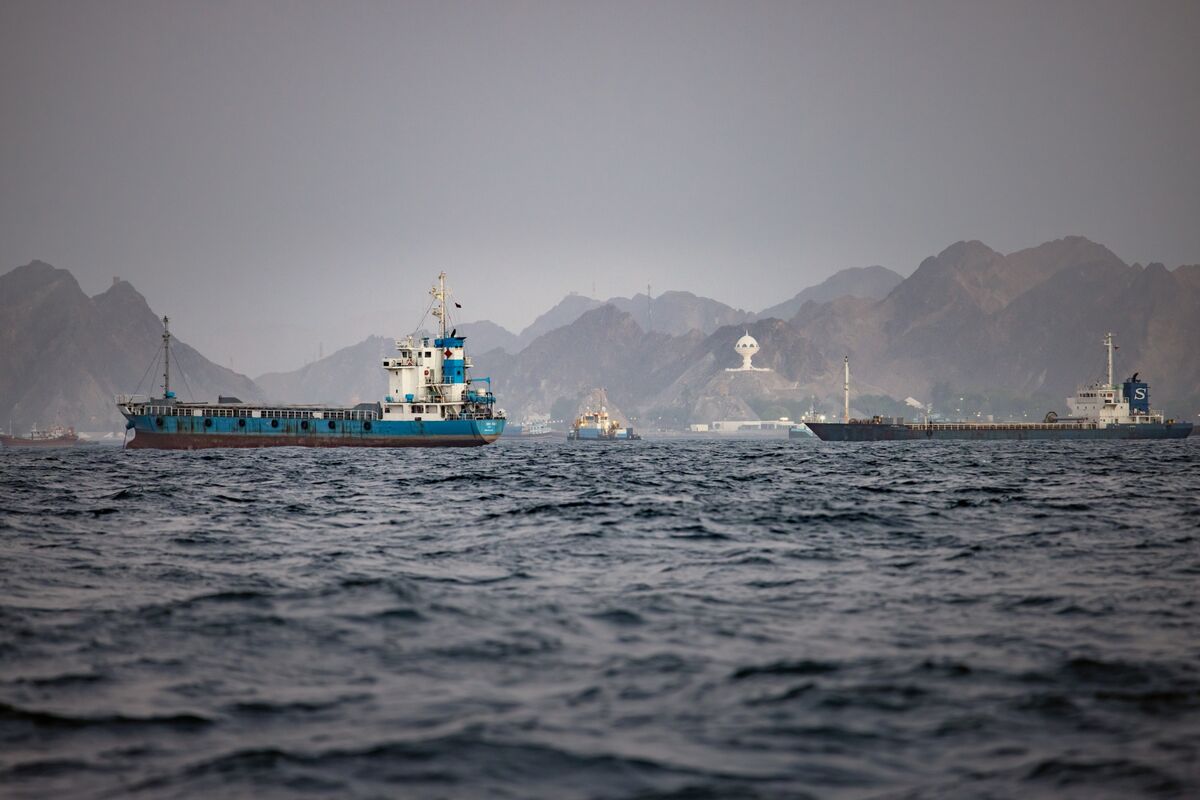
The IMO said shippers can transit the Strait of Hormuz via Iranian or Omani-and US-coordinated waters as part of a broader plan to evacuate more than 11,000 stranded seafarers in the Middle East. The operation will be coordinated with Iran, Oman, other coastal states, the US, and the maritime industry. The news is operationally important for regional shipping flows but is framed as an evacuation/safety measure rather than a direct disruption.
The immediate market read is not “shipping risk solved,” but “risk is being administratively managed rather than removed.” That usually compresses the most obvious tail premium first: front-end tanker and marine war-risk pricing should soften as vessels regain optionality through a state-coordinated corridor, while the more durable effect is a reduction in forced delays, idling costs, and inventory buffers across Gulf-linked supply chains. The second-order winner is not necessarily the shipowner; it is the downstream industrial and refining complex that benefits from lower working-capital drag and fewer schedule disruptions.
The key distinction is between passage safety and operating certainty. If the coordination mechanism proves reliable for even 2-4 weeks, charterers will begin rerouting away from the most expensive contingency structures, which can pressure spot rates and insurance premia faster than physical congestion normalizes. But any single incident would snap that back quickly; this is a classic “one headline can reprice the market” setup where the downside tail is more important than the base case.
The contrarian angle is that consensus may be underestimating how bearish this is for volatility, not just for freight. When a geopolitical bottleneck becomes politically managed, implied risk can collapse even if the underlying conflict remains unresolved, which tends to hit the high-beta beneficiaries of disruption first. Conversely, energy equities and broader risk assets may be more resilient than the headline suggests because the market has already priced some supply fear; the bigger loser may be the insurance/war-risk complex and any names that were trading on sustained chokepoint dislocation.
For catalyst timing, watch the next 1-3 weeks for incident frequency, convoy discipline, and any evidence that vessel wait times are shrinking. If transit normalizes without an event, expect a faster unwind in shipping-related risk premiums than in actual trade flows; if there is a fresh disruption, the market will likely overreact upward again because the corridor is only as good as the last safe passage.
AI-powered research, real-time alerts, and portfolio analytics for institutional investors.
Request DemoOverall Sentiment
neutral
Sentiment Score
-0.05
Ticker Sentiment
