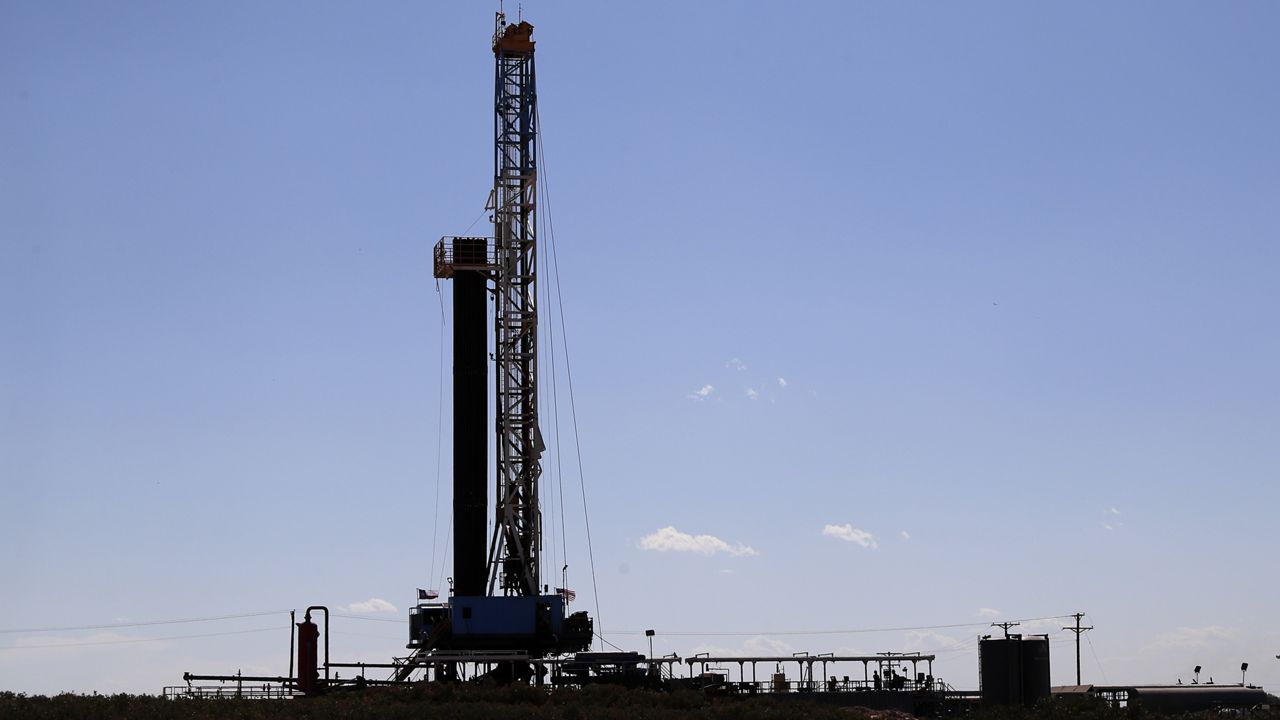
President Trump announced a plan to open the first U.S. oil refinery in 50 years in Brownsville, Texas, claiming a $300 billion deal financed with help from Reliance Industries. The administration frames the project as a jobs and energy-security boost and calls it “the cleanest refinery,” but provided no timeline or supporting details. If realized, the investment would be material for U.S. refining capacity and regional economic activity, but the lack of verification limits near-term market implications.
A greenfield refinery announcement is principally a multi-year infrastructure story, not a near-term oil-price shock. Typical greenfield builds of this scale require 3–7 years to reach first crude and 5–10 years to fully rewire regional crack spreads; market participants that treat the post as immediate supply-side relief are likely mis-timing the impact. Once operational, incremental refining capacity clustered on a single Gulf/port hub tends to compress local gasoline/diesel crack spreads by $2–6/bbl versus a national baseline, with the largest dislocations concentrated within 6–24 months of commissioning as logistics and storage normalize.
Second-order winners are infrastructure and engineering: storage terminals, pipeline interconnects, export berths, and complex process licensors see durable annuity-like cashflows if anchored by long-term throughput agreements. Expect disproportionate uplift to listed midstream/storage (high free cash flow to equity ratios) and to engineering services that capture early EPC work and hydrogen/ccs contracts; meanwhile merchant refiners focused on merchant light-product sales and high-complexity upgrades face margin pressure. Ancillary beneficiaries include local industrial power providers and bunker suppliers — assets that monetize location-specific capacity additions rather than crude price moves.
The largest tail risks are political/permitting reversal, partner financing pullback, or a macro oil demand shock that renders the capex uneconomic; each can flip implied infrastructure optionality to write-downs within 12–36 months. Practical catalysts to watch are permit approvals, binding offtake/anchoring contracts, engineering awards, and project financing commitments — treat those milestones as binary re-rating events for the supply chain. Position sizing should be asymmetric and staged to these milestones because the headline creates more optionality than immediate cashflow reality.
AI-powered research, real-time alerts, and portfolio analytics for institutional investors.
Request DemoOverall Sentiment
neutral
Sentiment Score
0.10
