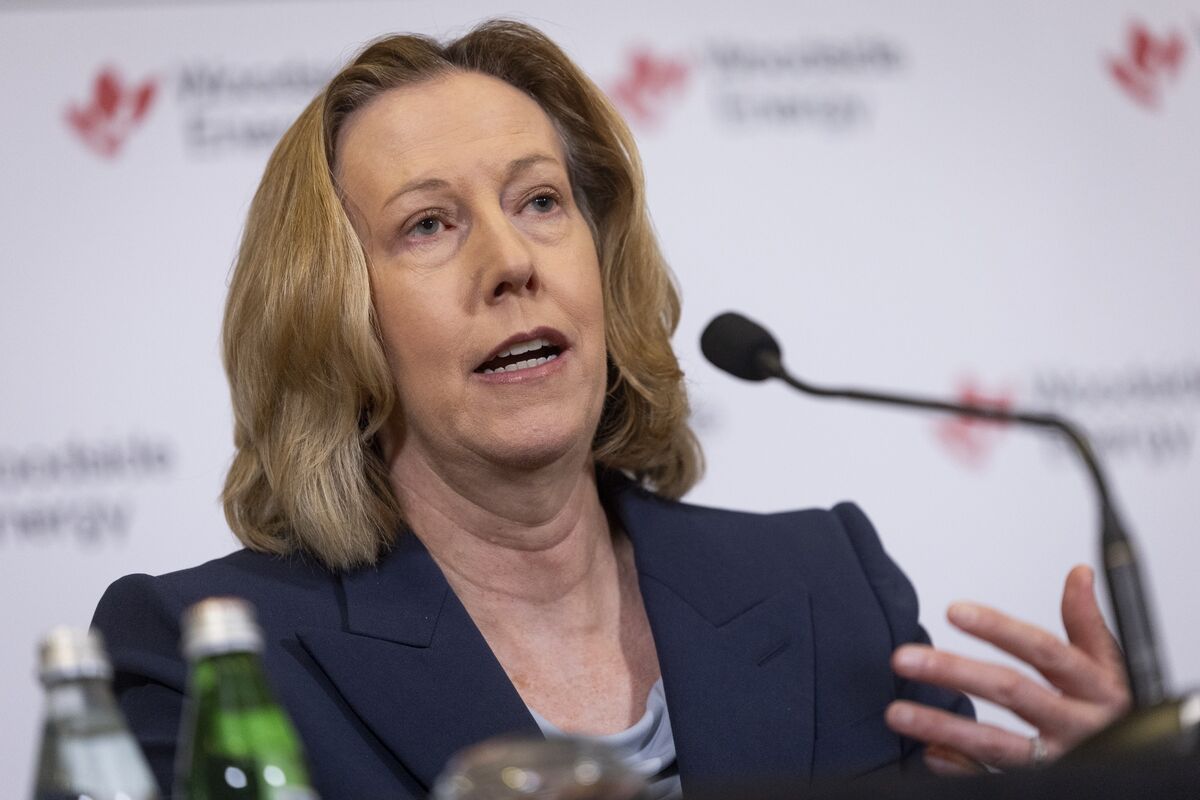
BP's new CEO Meg O'Neill reorganized the company's leadership and reporting structures, effective July 1, to reinforce its focus on oil and gas. Gordon Birrell will become EVP of upstream, while Richard Harding will serve as interim EVP of downstream. No job losses were announced, making this a governance and organizational reset rather than a material financial event.
This is less about org-chart hygiene than about capital allocation signaling. Centralizing upstream and downstream accountability usually precedes a tighter hurdle-rate regime, which can quietly improve ROIC if management uses the reset to prune low-return transition spend and de-emphasize politically popular but economically marginal projects. The market will likely read this as a commitment to free cash flow durability over narrative optionality, which should support the equity if oil stays range-bound to firm.
The second-order winner is the service and equipment complex if the reset leads to a cleaner upstream investment pipeline: project sanctioning becomes more predictable, and operators that can deliver near-cycle work should gain share. The loser set is any internal low-return capex bucket tied to downstream complexity or discretionary decarbonization spend; over 6-18 months, that can mean slower order flow for multi-year energy-transition contractors and a lower probability of “strategic premium” valuation for the company versus peers with clearer growth stories.
Key risk is that governance simplification can be mistaken for strategic clarity. If the restructure is just a stopgap after board friction, it may not change execution, and the market will fade the signal within 1-2 quarters. A more serious tail risk is that the new structure improves discipline but also exposes how much of the portfolio is subscale or lower-return, forcing asset sales or write-downs later; that would help medium-term cash generation but pressure headline growth and sentiment.
The contrarian view is that the move is mildly bullish precisely because it is unglamorous. The consensus may underappreciate how much value can be created by removing internal friction in a commodity business where small improvements in sanctioning speed and maintenance discipline compound quickly. If this leads to even a low-single-digit improvement in upstream uptime or project cycle time, the earnings uplift can be meaningful over 12-24 months without needing a favorable macro backdrop.
AI-powered research, real-time alerts, and portfolio analytics for institutional investors.
Request DemoOverall Sentiment
neutral
Sentiment Score
0.05
