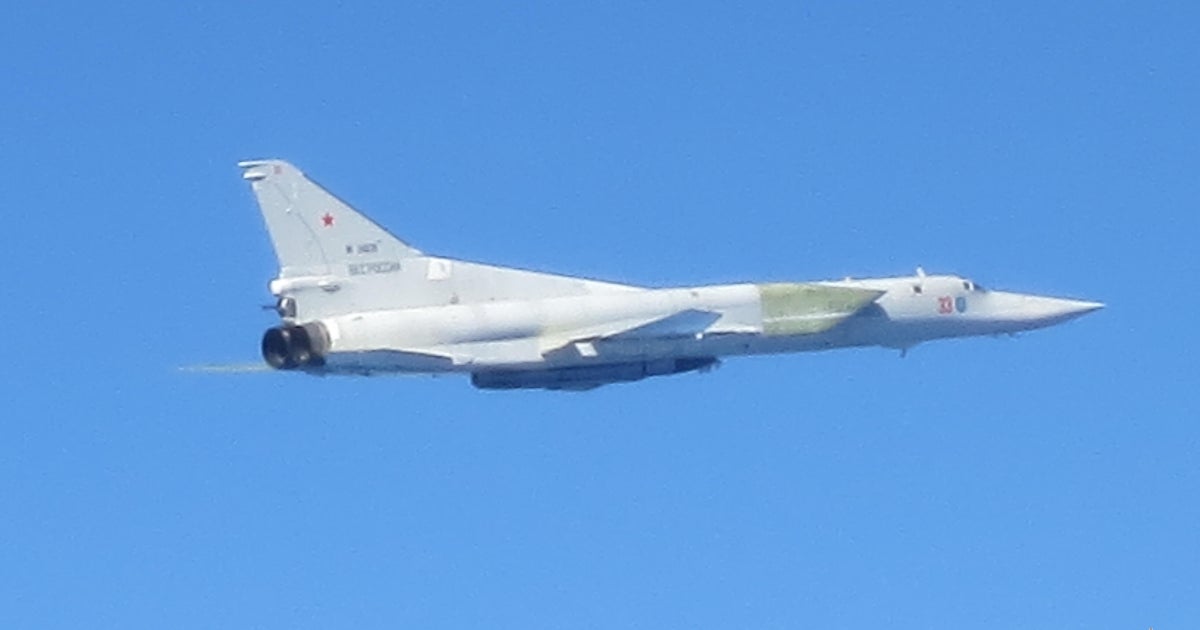
NATO scrambled armed fighter jets, including French Rafales from Lithuania, to intercept Russian strategic bombers and fighters over the Baltic Sea on Monday. The Russian mission included two Tu-22M3 bombers and about 10 SU-30/SU-35 fighters, with the flight lasting more than four hours over neutral waters. The incident underscores persistent military tension on NATO's eastern flank and continued routine interceptions in the region.
This is less about one interception and more about a durable normalization of high-tempo air policing on NATO’s northeastern rim. The second-order implication is steady demand for readiness enablers: fighter rotations, munitions, airborne early warning, secure comms, and base support logistics. The countries most likely to see incremental budget durability are the ones closest to the threat axis and the ones already carrying the air-policing burden, which favors European defense primes over U.S.-only platforms in the near term.
The bigger market signal is that the Baltic corridor is becoming a recurring contact zone, not a one-off headline risk. That raises the probability of persistent spending on dispersed basing, runway hardening, counter-UAS, and underwater infrastructure protection, with procurement cycles likely to accelerate over the next 12-36 months. The underappreciated spillover is into maritime surveillance and subsea cable security, where dual-use sensor and systems integrators can win repeat work without needing a formal escalation.
Near-term tail risk is miscalculation: a close intercept, transponder-off incident, or a cable-related attribution event could compress procurement timelines and widen European air-defense valuation multiples within days. The base case is not war premium; it is a slow ratchet in defense budgets, which typically shows up first in order backlogs and guidance revisions rather than same-quarter revenue. If diplomatic de-escalation appears, the trade should fade in the most security-sensitive names, but the structural baseline remains elevated because this is now routine operating conditions, not crisis mode.
AI-powered research, real-time alerts, and portfolio analytics for institutional investors.
Request DemoOverall Sentiment
neutral
Sentiment Score
-0.10
