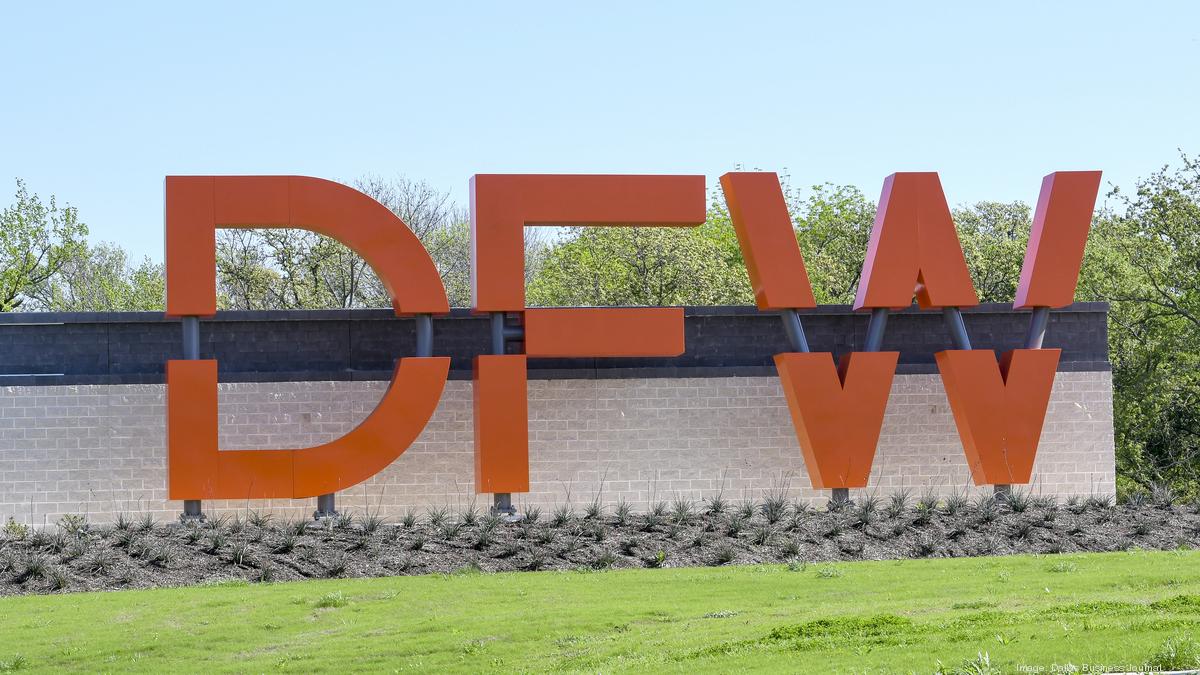
The article frames a potential American Airlines-United merger as a deal that would cement American's dominance at DFW, where it already controls more than 80% of passengers. It would also create the world's largest airline, raising significant antitrust and competition concerns. The piece is largely speculative and focused on the strategic implications for the airline industry and the DFW hub.
This is less an airline headline than a hub-power story. If one carrier can consolidate overwhelming share at a fortress airport, the economic rent shifts from pricing competition to capacity allocation, slot control, and loyalty-program capture; the biggest loser is not just the smaller carrier set but downstream airport-adjacent businesses that rely on fare-driven passenger churn and connection traffic. The second-order effect is that any rival trying to use DFW as a connecting node will face a structurally worse unit-cost and schedule convenience profile, which can persist for years even if regulators force small divestitures.
The real swing factor is antitrust timing: the market typically underprices the gap between announcement and approval, which can be 6-18 months, but overprices the probability of clean completion. In a transaction like this, the most important risk is not an outright block; it is behavioral remedies that appear weak upfront but still force network rationalization, integration delay, and labor friction. That creates a classic “optionality with decay” setup where the upside is concentrated at announcement/clearance, while the downside comes from long-dated execution slippage if approvals drag.
A contrarian read is that dominance at a single hub may be strategically attractive but financially less incremental than the headline implies if the combined carrier already monetizes the airport via yield management and loyalty spend. If regulators force meaningful slot or gate concessions, the competitive benefit can leak to low-cost rivals rather than stay with the merged entity, and the region-wide fare effect may be muted after an initial spike. The market may be focusing on monopoly optics while missing that the more durable value creation comes from network synergies and fleet re-optimization, not from local pricing power alone.
AI-powered research, real-time alerts, and portfolio analytics for institutional investors.
Request TrialOverall Sentiment
neutral
Sentiment Score
0.05
