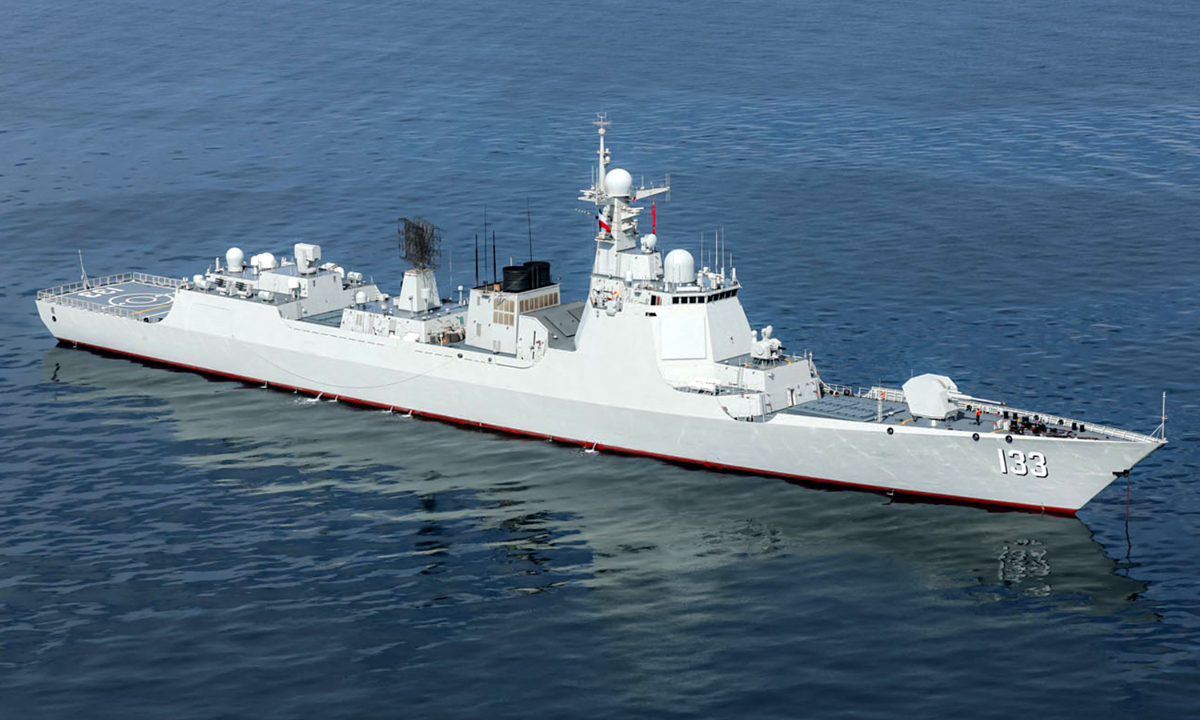
The PLA Eastern Theater Command said it dispatched vessel formation 133, the destroyer Baotou, to transit the Yokoate Waterway and conduct routine Western Pacific training, while also carrying out joint combat readiness patrols after a Japanese destroyer transited the Taiwan Straits on Friday. China framed both actions as lawful, annual-plan exercises, but the article emphasizes deterrence against perceived Japanese provocations and Taiwan-related tensions. The piece is geopolitically hawkish and could modestly raise regional risk sentiment, though it contains no direct economic or corporate market catalyst.
The market impact is less about immediate headline risk and more about a sustained premium in Northeast Asia defense posture. Repeated, highly visible maritime signaling raises the probability of incremental defense spending in Japan and China, which is supportive for domestic primes, sensors, electronic warfare, ASW, and shipbuilding supply chains; the second-order winners are the component vendors that feed multi-year procurement cycles rather than the headline contractors already priced for tension.
The more important effect is on logistics optionality. Even without kinetic escalation, persistent East China Sea/Taiwan Strait friction increases insurance, routing, and crew-risk frictions for commercial shipping and offshore support assets over a 6-18 month horizon. That matters most for operators with thin margins and exposure to East Asia transshipment flows, where small changes in delay probability can disproportionately compress earnings via utilization losses and higher war-risk premiums.
Consensus is likely overestimating the chance of an acute escalation and underestimating the persistence of bureaucratic militarization. This is a classic regime where the marginal event is not war but normalization of brinkmanship, which gradually reprices capex and procurement. The contrarian read: if tensions stay contained, defense outperformance may fade after the initial headline burst; the better risk/reward is in names levered to a multi-year funding cycle, not tactical hedge trades on one-off news.
The main downside catalyst is diplomatic de-escalation or a temporary pause in transits, which would quickly bleed the premium out of the more crowded defense and shipping hedges. The main upside tail is an additional flashpoint involving allied naval movement or a misread at sea; that would likely hit freight-sensitive and Asia-exposed cyclicals first, but it is a low-probability, high-convexity event rather than a base case.
AI-powered research, real-time alerts, and portfolio analytics for institutional investors.
Request DemoOverall Sentiment
neutral
Sentiment Score
-0.05
