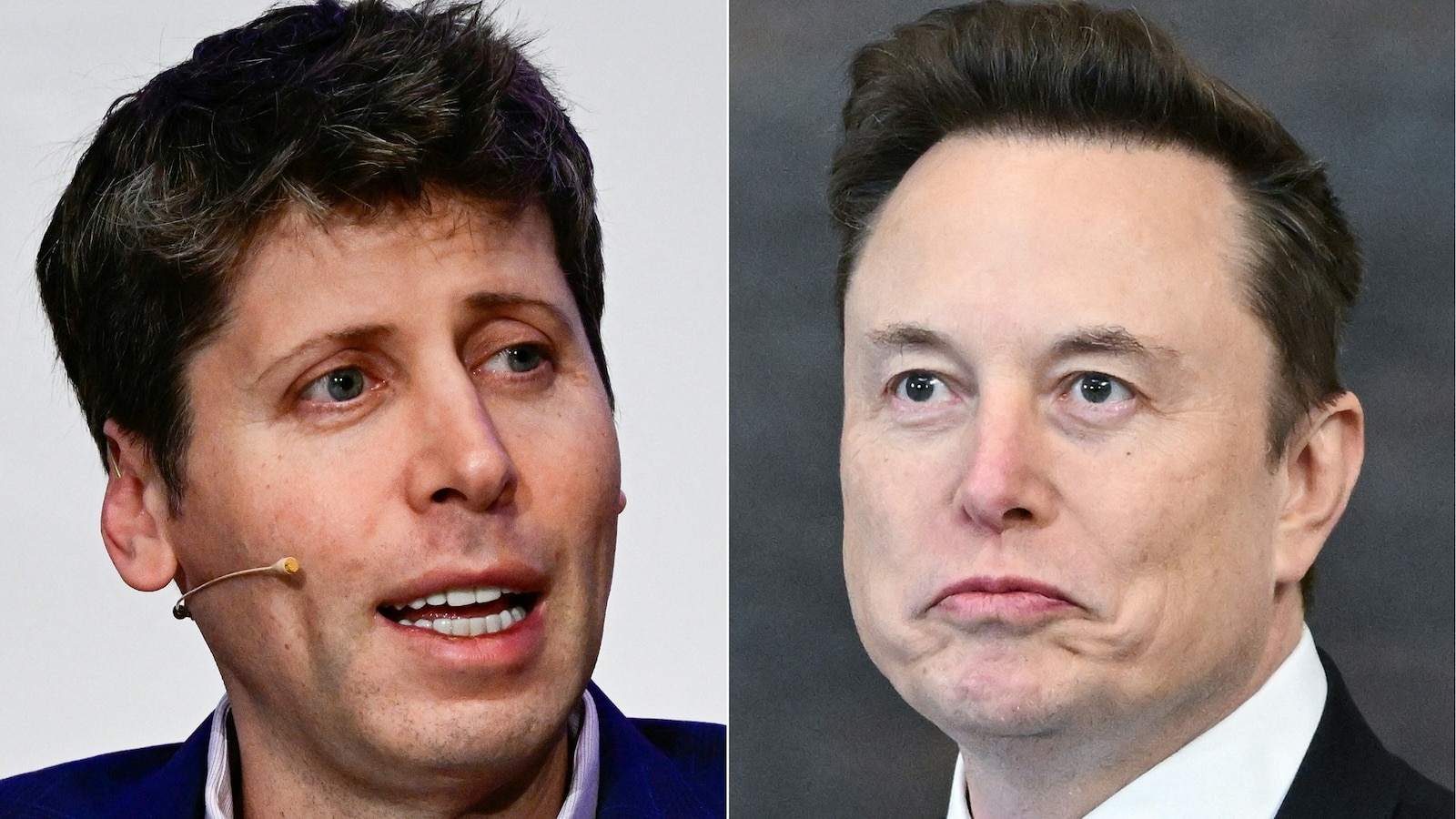
Elon Musk’s lawsuit against OpenAI and CEO Sam Altman began trial in Oakland, with Musk seeking $150 billion in damages and a court order forcing OpenAI to remain nonprofit. The case centers on allegations of breach of contract, fiduciary duty, and unfair business practices tied to OpenAI’s shift from a nonprofit mission to a profit-seeking structure and its Microsoft ties. The dispute could affect OpenAI’s governance and strategic flexibility, but near-term market impact is likely limited absent a ruling.
This is less a binary legal event than a prolonged governance overhang on the AI capex complex. The market already prices Microsoft as the core distribution layer for frontier AI; the lawsuit’s real risk is not a near-term earnings hit, but a forced repricing of control rights, exclusivity, and the optics of “partner risk” across the AI stack. If discovery surfaces internal documents that make the nonprofit-versus-profit narrative legible to a jury, the second-order impact is a tighter discount rate on all long-dated AI cash flows, especially for firms whose economics depend on opaque model access agreements.
For MSFT, the downside is mostly multiple compression rather than fundamental impairment. A negative liability finding would not meaningfully alter current AI monetization in the next 2-4 quarters, but it could pressure sentiment around Azure AI attach rates and increase investor skepticism toward incremental AI spending until the remedies phase clarifies whether any structural separation is plausible. The bigger risk is incremental: competitors can use the trial to argue that Microsoft’s AI moat is contractual, not technological, which could embolden enterprise buyers to multi-source workloads and slow exclusive lock-in.
The contrarian angle is that headline risk may be overstated versus real legal enforceability. Claims grounded in informal founding commitments are difficult to translate into damages or structural remedies, and the remedies phase creates a long path even if liability is found. That means the best trading setup is not an outright bearish MSFT view, but a volatility expression on legal event timing; the market may underprice how quickly discovery can create short, sharp sentiment swings even if the eventual outcome is mild.
Second-order beneficiaries are adjacent AI names that can market themselves as cleaner, more neutral infrastructure or model alternatives if the Microsoft-OpenAI relationship becomes politically and legally noisy. The loser is OpenAI’s “exclusive premium” narrative: any hint of governance instability raises the cost of capital for private AI labs and could accelerate enterprise demand for redundant model vendors, especially in regulated sectors that dislike concentration risk.
AI-powered research, real-time alerts, and portfolio analytics for institutional investors.
Request DemoOverall Sentiment
neutral
Sentiment Score
-0.05
Ticker Sentiment
