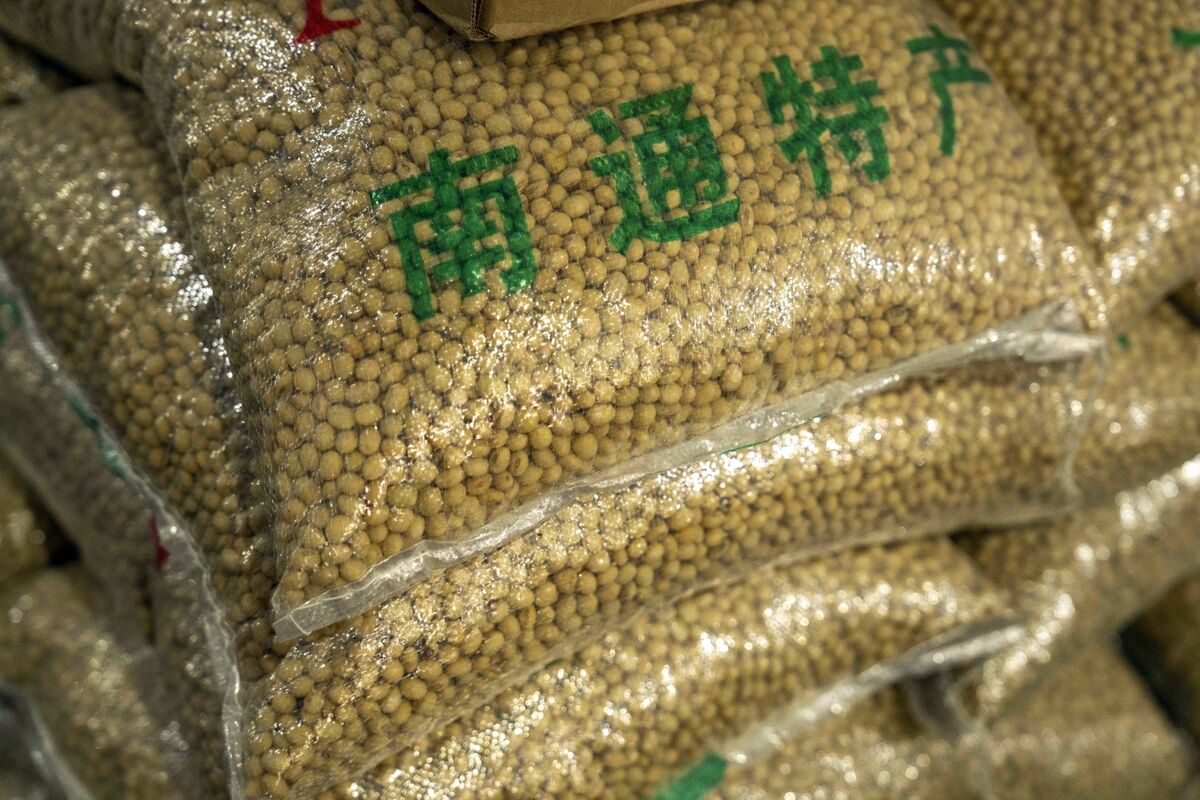
China imported a record 12.28 million tons of soybeans in August, its highest ever for the month, strategically bolstering stockpiles. This pre-emptive measure aims to build a buffer against potential shortages stemming from the protracted trade war with the US, its second-largest supplier. The move secures local availability ahead of the anticipated surge in US export dominance in the global market.
China's soybean imports reached a record 12.28 million tons for the month of August, a defensive maneuver designed to significantly bolster domestic stockpiles. This strategic purchasing is a direct response to escalating supply chain risks stemming from the protracted trade war with the United States, its second-largest supplier. The timing is critical, as these acquisitions are intended to create a buffer before the North American harvest season begins and US exports typically dominate the global market. While the volume represents a substantial short-term demand signal for global soybeans, the underlying motivation underscores Beijing's preparation for continued trade friction and potential C.S. supply disruptions, reflecting a moderately negative outlook on stable trade relations.
AI-powered research, real-time alerts, and portfolio analytics for institutional investors.
Request DemoOverall Sentiment
moderately negative
Sentiment Score
-0.40
