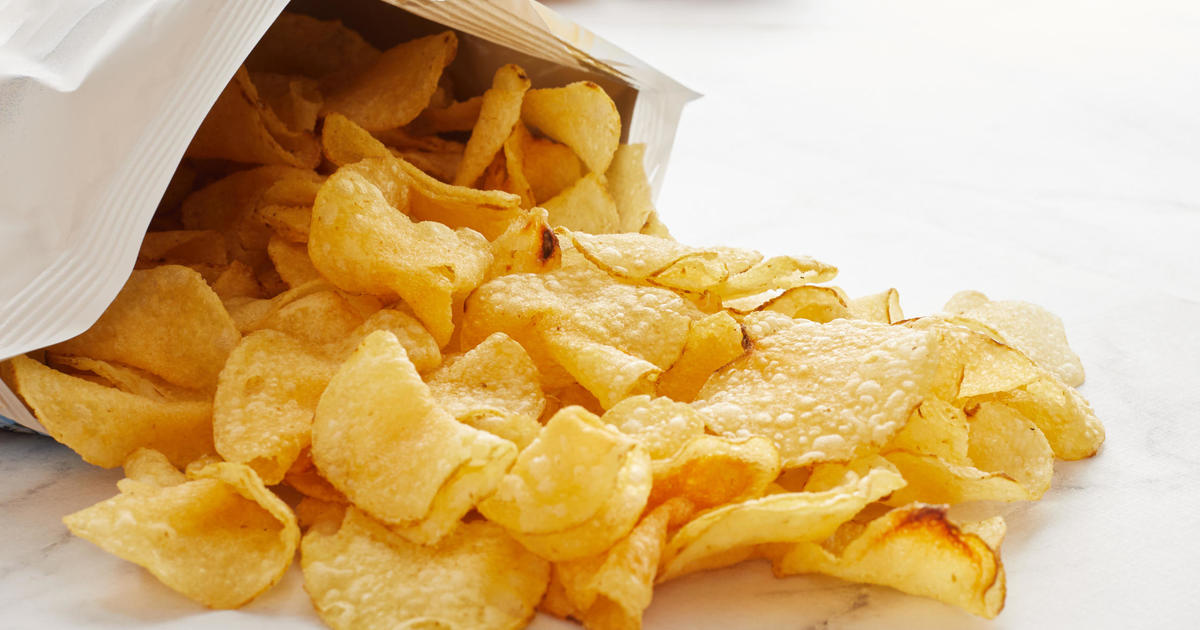
Utz Quality Foods is recalling select Zapp's and Dirty brand potato chips nationwide due to potential salmonella contamination tied to a seasoning ingredient containing dry milk powder. No illnesses have been reported, but consumers are being told not to eat the products and to discard them. The issue stems from an ingredient supplier recall, making this primarily a food-safety and supply-chain headwind rather than a broader market event.
This is a low-direct-financial-impact event, but the second-order read is about brand trust and retailer shelf discipline rather than one-off revenue loss. For a snack portfolio, a recall tied to a supplier input tends to hit the fastest in higher-velocity channels like club, grocery endcaps, and convenience, where repeat purchase is driven by habit and packaging familiarity. The practical risk is not the recalled volume itself; it is whether buyers temporarily rationalize away the broader flavor family or even adjacent salty-snack purchases from the same parent in the next 2-6 weeks.
The more interesting dynamic is competitive share leakage to private label and to large, highly diversified snack incumbents with stronger quality-control narratives. In a category where consumers rarely reward safety execution until something goes wrong, a recall can create a small but measurable rotation at the store level toward brands with perceived operational rigor, especially if retailers use the incident to pressure for better slotting terms or tighter vendor scorecards. If the issue is contained quickly and no illness cluster emerges, the damage should fade by one replenishment cycle; if there is any escalation, the shelf reset can last a quarter or more.
A second-order supply-chain takeaway is that ingredient recalls often force tougher audit standards on dry-dairy and seasoning suppliers, which can raise procurement friction and modestly increase input costs for the broader savory-snack set. That is mildly bearish for smaller brands with less negotiating leverage and more concentrated sourcing, but not enough to move the sector unless this becomes part of a wider contamination wave. The consensus likely underestimates how often these events become a retailing problem, not a legal one: the cost is in lost velocity and margin concessions, not the recall line item.
Contrarian view: this is probably over-discounted as a safety headline and underappreciated as a short-lived category-share event. The market typically treats isolated food recalls as noise unless there is a social media backlash or FDA follow-through, but the real alpha is in identifying who gains incremental trips over the next month from consumer substitution and retailer caution.
AI-powered research, real-time alerts, and portfolio analytics for institutional investors.
Request DemoOverall Sentiment
mildly negative
Sentiment Score
-0.25
