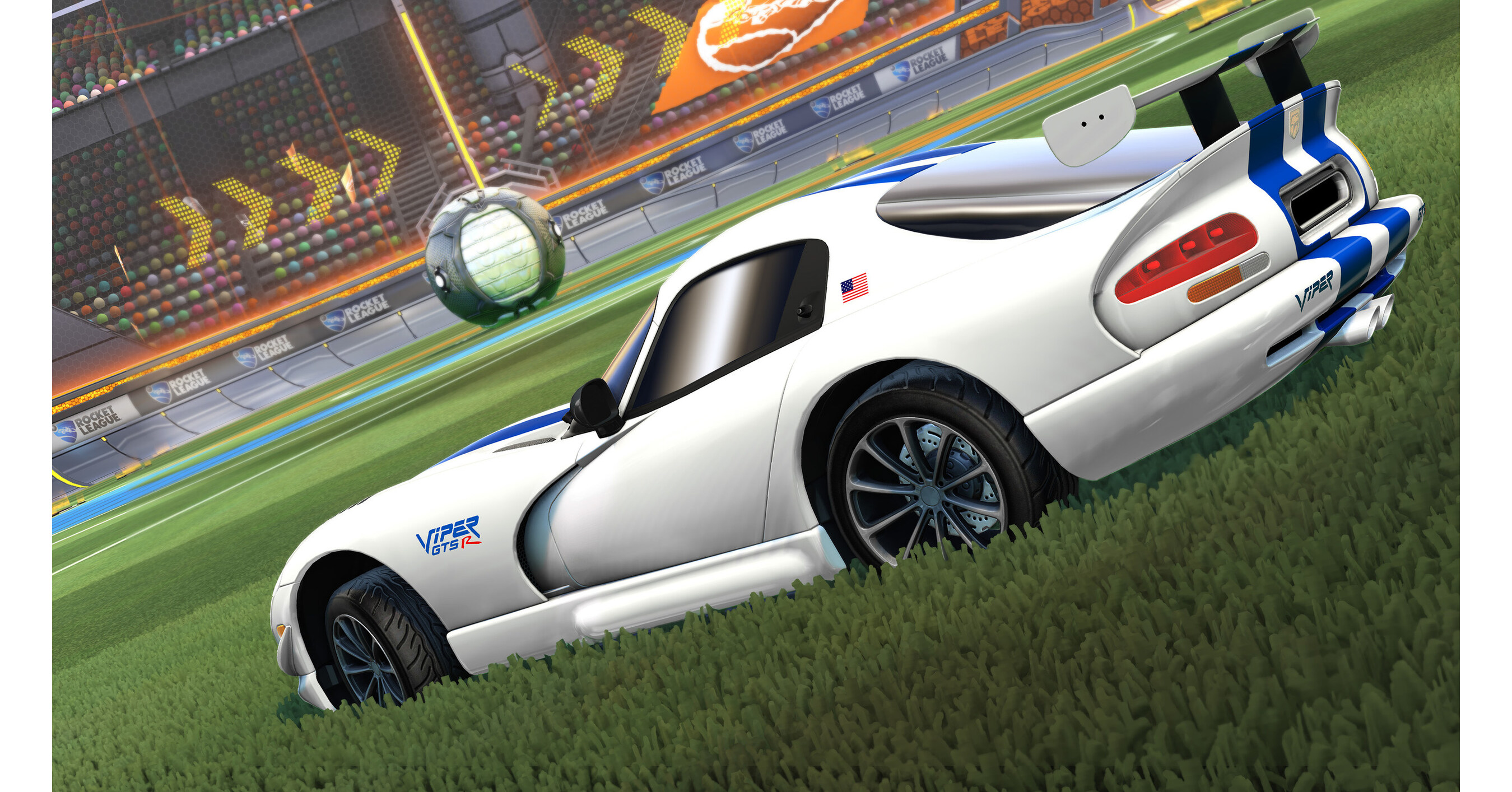
Dodge announced the limited-time debut of the Viper GTS-R as an in-game race car in both Fortnite and Rocket League from July 2, 2026 (8 p.m. ET) through July 12, with exclusive customization and limited-time bundles. The move is framed as connecting Dodge’s performance heritage to a new generation of players, including a tie-in to the Viper’s historic racing success. This is primarily brand/marketing news with limited direct financial impact.
This is better viewed as a low-cost brand-maintenance spend than a revenue event. For STLA, the economic value is not the in-game placement itself; it is whether the campaign creates a measurable lift in consideration for Dodge among younger buyers who are otherwise not in the funnel. That effect, if real, would show up only with a lag in search traffic, lead-gen, or dealer conversion over 1-3 quarters, not in the current quarter P&L.
The more important market mechanism is that the return on this kind of activation is usually asymmetric: downside is capped by the small marketing expense, while upside depends on rare viral reach. In practice, the platform owner captures most of the monetization, and the auto OEM gets an intangible halo that is hard to translate into unit sales. That makes this a better read on STLA’s willingness to protect brand relevance than on near-term earnings power.
Contrarian angle: the market may dismiss this as fluff, but for a legacy OEM with aging brand cohorts, preserving cultural relevance can matter at the margin over 6-18 months, especially for high-margin enthusiast trims. Still, unless management can show conversion data, the move is likely overdone if the stock pops on the announcement. The thesis is falsified if there is no detectable lift in brand search, dealer traffic, or North America retail mix within the next 1-2 quarters.
AI-powered research, real-time alerts, and portfolio analytics for institutional investors.
Overall Sentiment
mildly positive
Sentiment Score
0.25
Ticker Sentiment
